There’s a quiet revolution happening inside our homes right now, and it has nothing to do with another shade of greige or a floating shelf styled with three dead plants and a candle.
2026 is the year interiors grew a soul.
After years of Instagram-perfect minimalism, sterile white boxes, and spaces that looked borrowed from a luxury hotel lobby, homeowners are finally saying: enough. The design world has pivoted, dramatically, beautifully, and with genuine conviction, toward homes that feel lived in, emotionally rich, and deeply personal. Personalization integrated with nostalgic elements is replacing the desire to be “on trend,” and as one leading designer put it, “today clients want smaller, more intimate spaces filled with their current life’s treasures.”
This isn’t just a trend report. This is a permission slip to design a home that actually looks like you.
Let’s get into it.
1. The Death of Minimalism (And Why It Took This Long)
Let’s start with the elephant in the room, or rather, the elephant that minimalism wouldn’t allow in the room.
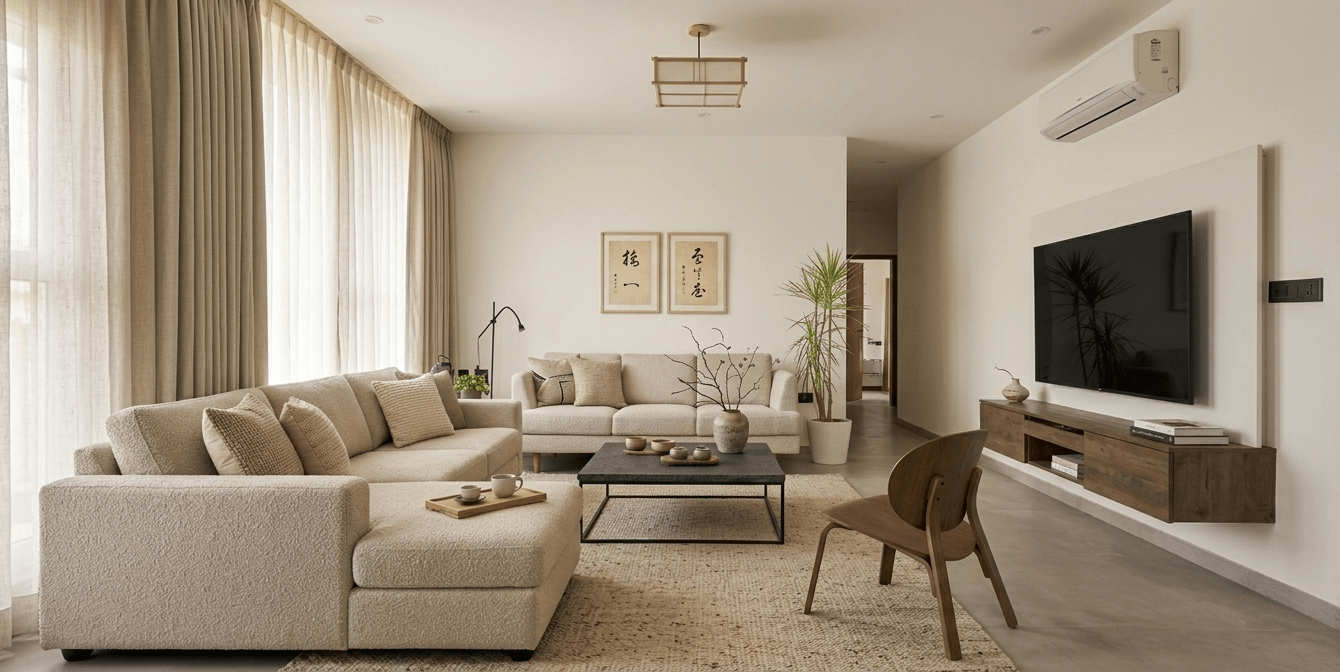
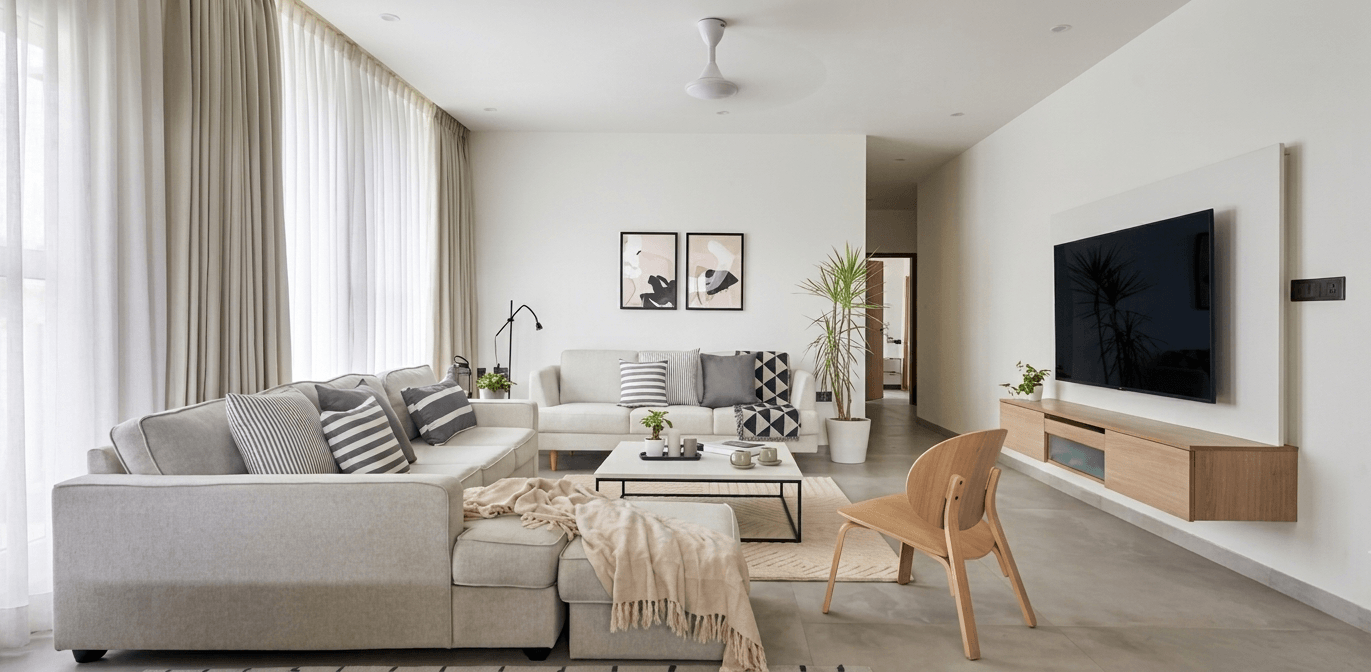
The most stylish spaces in 2026 are all about color and character, and aesthetics like ultra-minimalism, all-gray everything, and homes that slightly resemble a showroom, while once considered very on trend, are now making spaces feel dated.
For a decade, we were told that less is more. White walls. Invisible handles. Surfaces so clear they looked unlived in. It was aspirational, sure but aspirational in the way a hospital corridor is aspirational. Clean. Controlled. Completely devoid of personality.
The shift is philosophical as much as aesthetic. As one designer put it: “We’re not perfect and our spaces aren’t going to be perfect, but they can be really beautiful and really reflect the lives we’re leading. We come with stuff, and it deserves to be displayed in our home, not squirreled away in our closets.”
What replaces minimalism isn’t chaos. It’s character. It’s the collected, layered, “I found this at a market in Lisbon” energy. Think richly decorated but not overdone. Curated but not clinical.
2. Warm Earth Tones Are Taking Over Every Room
If your color palette still reads “warm white, cool white, and off-white,” 2026 is your wake-up call.
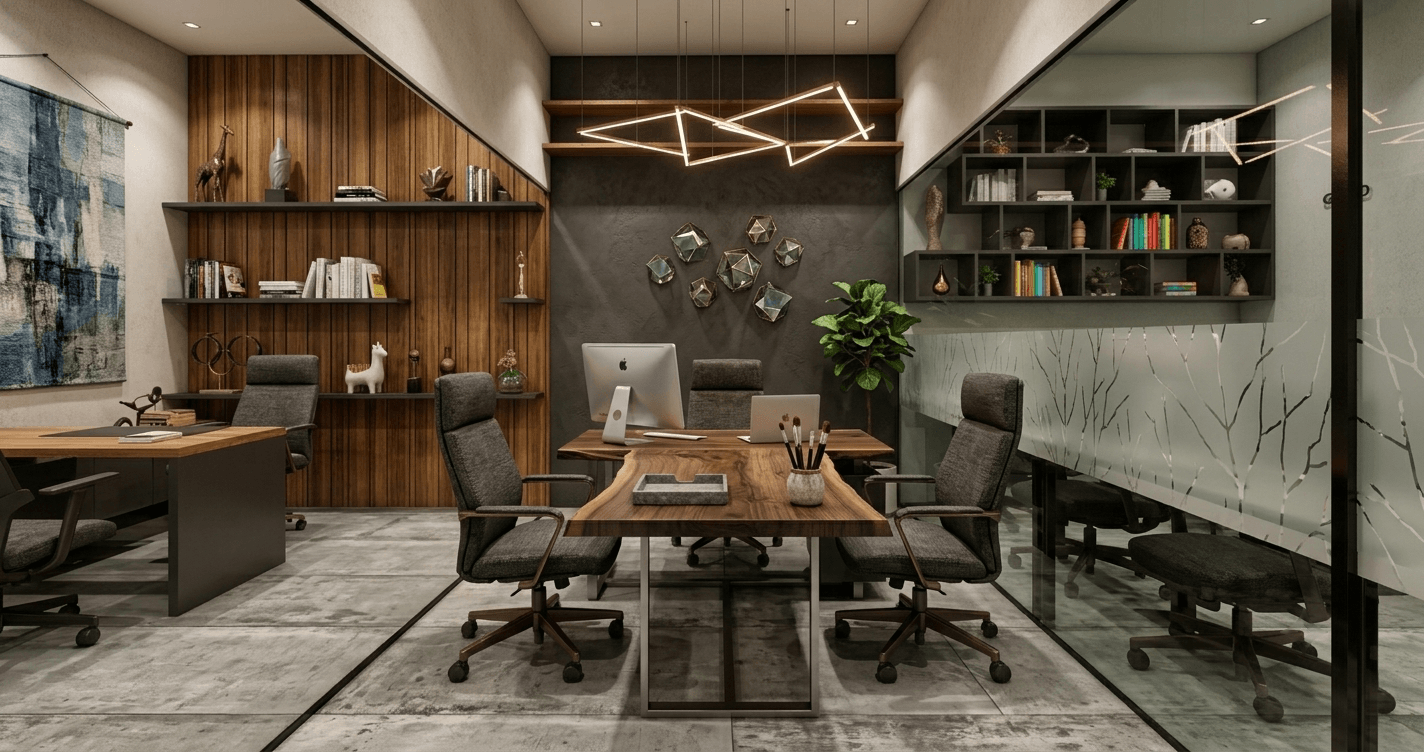
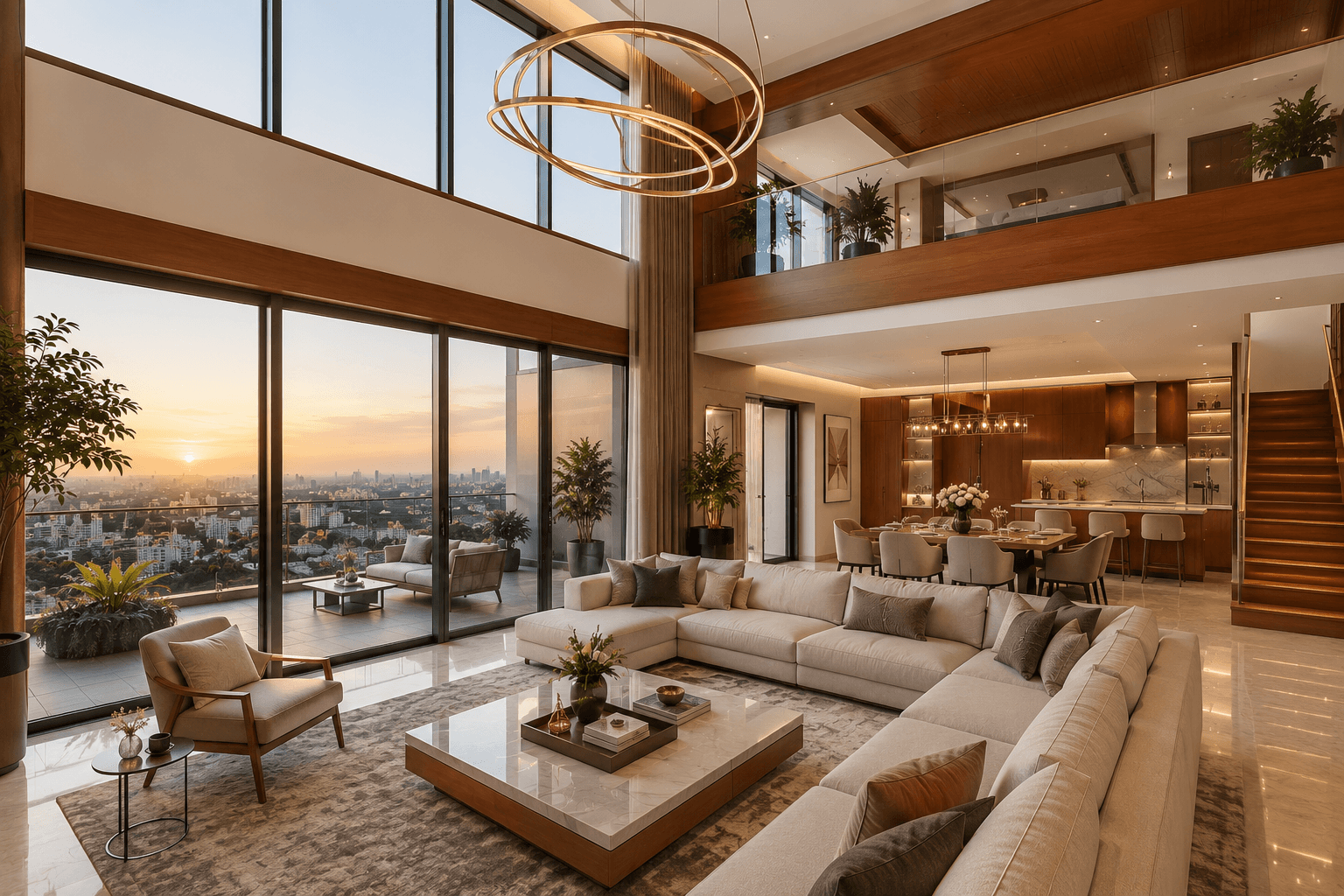
Rich deep earth colors, iron, espresso, olive green, are replacing cool grays and stark neutrals to bring depth into interiors. Unlacquered brass, bronze, copper, and materials that develop a patina with time are trending, adding character that synthetic finishes simply can’t replicate.
Expect warm and earthy hues on the rise, nothing too bold, but just enough to be welcoming and evoke uplifting energy.
The palette of 2026 reads like a late afternoon in Tuscany: terracotta walls, deep olive linen, espresso wood, and brushed gold catching the light. These are colors that age beautifully, that look better in year three than they did on day one. That’s the entire point.
A vibrant “sour” green is also emerging as the defining accent color of the year, not the safe sage of recent years, but something sharper, more alive. Pair it against warm neutrals and it sings.
The rule of thumb for 2026: If your color looks good in a flash photo, it’s probably too cold. If it looks better in candlelight, you’re on the right track.
3. Curves Are the New Straight Lines
Forget the right angle. 2026 belongs to the arc.
Sharp lines and rigid silhouettes are continuing to give way to softer, more organic shapes. Curved sofas, rounded dining chairs, and circular tables remain popular, helping interiors feel calmer and more inviting as we move into spring 2026. In living rooms and bedrooms especially, these gentler forms help soften the overall structure of a space.
This isn’t just a furniture fad. It’s a psychological response to the times. The more uncertain the future, the more we count on our homes as cocooning, soft places to land, and curved furniture as an interior design trend reflects exactly this shift.
The beauty of curves is their versatility. A rounded sofa in a neutral palette feels quiet and Scandinavian. The same silhouette in emerald velvet becomes maximalist and theatrical. In kitchens, curves are being used to soften the ends of cabinetry runs or introduced into tall cabinets, adding a bespoke dimension that makes a kitchen look current yet classic for years to come.
Think: kidney-shaped coffee tables. Arched doorways. Pill-shaped islands. Scalloped headboards. The curve is your most versatile design tool this year.
4. Rooms That Tell a Story: The Rise of Narrative Interiors
One of the most exciting, and most underreported, shifts of 2026 is this: rooms are being designed like scenes.
Rooms are taking design cues from theater, they feel deliberately composed and dramatic, but also with an embedded sense of narrative. There’s an intention to how furniture is placed, how light falls, how a space makes you feel when you walk in. Not just “what does this room look like?” but “what story does this room tell?”
This connects to a broader cultural moment of people craving meaning and permanence. Many of 2026’s leading trends, rich materials, heritage-inspired details, and wellness-focused features, reflect a desire for homes that support real life rather than chase novelty.
Practically, this means:
- Leaning into imperfection. Scuffed antiques. Worn leather. Layered rugs.
- Mixing eras deliberately, a Victorian cabinet against a contemporary sofa creates productive tension, not chaos.
- Choosing pieces with provenance. The story of where something came from IS the decoration.
5. The Tin Comeback and the Return of Patina Materials
Here’s the trend you didn’t see coming: tin is having a moment.
When one design expert brought up the idea that tin would be big in 2026, they expected raised eyebrows, but it’s happening. Tin ceilings, tin wall panels, tin light fixtures. It’s nostalgic, it’s textural, and it photographs unlike anything else.
More broadly, this is part of a major shift toward materials that age and develop character over time. Unlacquered brass, bronze, and copper, materials that develop a patina, are trending heavily, adding the kind of character that synthetic finishes simply can’t replicate.
The aesthetic logic is sound: if you want a home that feels like it has history, you need materials that actually accumulate history. Polished chrome doesn’t do that. But unlacquered brass that goes slightly green at the edges? That’s a home with a soul.
Also making a big comeback: thick, vintage frames for artwork. After years of thin float-mounted frames, the design world is returning to gilded, wide-framed pieces, especially as the elevated English cottage style continues its strong run.
6. Biophilic Design Goes Mainstream: And Gets Serious
Plants on a windowsill used to count. Not anymore.
Biophilic design, the practice of genuinely integrating nature into the architecture and atmosphere of a home, has graduated from trend to philosophy. This isn’t about a trailing pothos in the corner. It’s about designing spaces where the boundary between inside and outside becomes genuinely ambiguous.
Homeowners are prioritizing warmth, longevity, and well-being, choosing spaces that feel personal, calming, and built to last. Biophilic design is the structural answer to that desire. We’re talking:
- Living walls and vertical gardens integrated into room architecture
- Natural stone and unfinished wood left raw and textural
- Maximizing natural light through skylights, wider windows, and reflective surfaces
- Water features inside the home (yes, really, indoor fountains are having a revival)
- Materials that smell, feel, and age like nature: rattan, jute, sisal, terracotta
The science backs this up: exposure to natural elements lowers cortisol levels, reduces anxiety, and improves sleep quality. In 2026, your home isn’t just beautiful, it’s therapeutic.
7. The Personalization Revolution: Your Home, Your Rules
2026 marks a year of self-expression and individuality in interior design. Instead of following trends and going for a universal, trendy look, homeowners are interested in a more personalized design. “Timeless” is the new buzzword, replacing the overused white oak design recently seen in almost every home.
This is the most important trend of all, and it doesn’t look like anything specific, because it looks like you.
The personalization revolution means:
- Displaying your actual book collection, not prop books arranged by color
- Hanging the art you love, not the art that “goes”
- Building a room around a single inherited piece rather than a Pinterest board
- Mixing patterns, florals, stripes, geometrics, because you love them, not because they “match”
Designers note that patterned sofas, florals, stripes, or any kind of print, are returning in a big way. And not just for visual interest: patterned fabrics are genuinely more practical, hiding wear and life over time.
The ultimate 2026 interior doesn’t look like a showroom. It looks like someone interesting lives there.
8. Rooms With Purpose: The Intimacy Spaces Trend
Open-plan living had its moment. Now we’re closing doors.
The trend of having more closed-off spaces is a direct result of more people working from home, but it goes deeper than practicality. There’s a cultural hunger for rooms that have distinct identities. Spaces that feel designed for a specific, intimate use.
More and more people want dedicated spaces for weekly card games, puzzles, or Mahjong nights. Reading nooks. Tea rooms. Cocktail bars built into alcoves. Dressing rooms that feel like boutiques. Meditation corners with real intention.
The era of the room that does everything and therefore feels like nothing is ending. In its place: rooms with singular, joyful purpose.
9. Color on Unexpected Surfaces
If you want to do one thing in 2026 that will immediately modernize your home without a renovation, paint your interior doors.
Designers are pointing to painted interior doors as one of the easiest ways to experiment with new palettes, and the impact is genuinely transformative. A forest green door in an otherwise neutral hallway. A deep navy door in a white bathroom. The door becomes an object, not just a function.
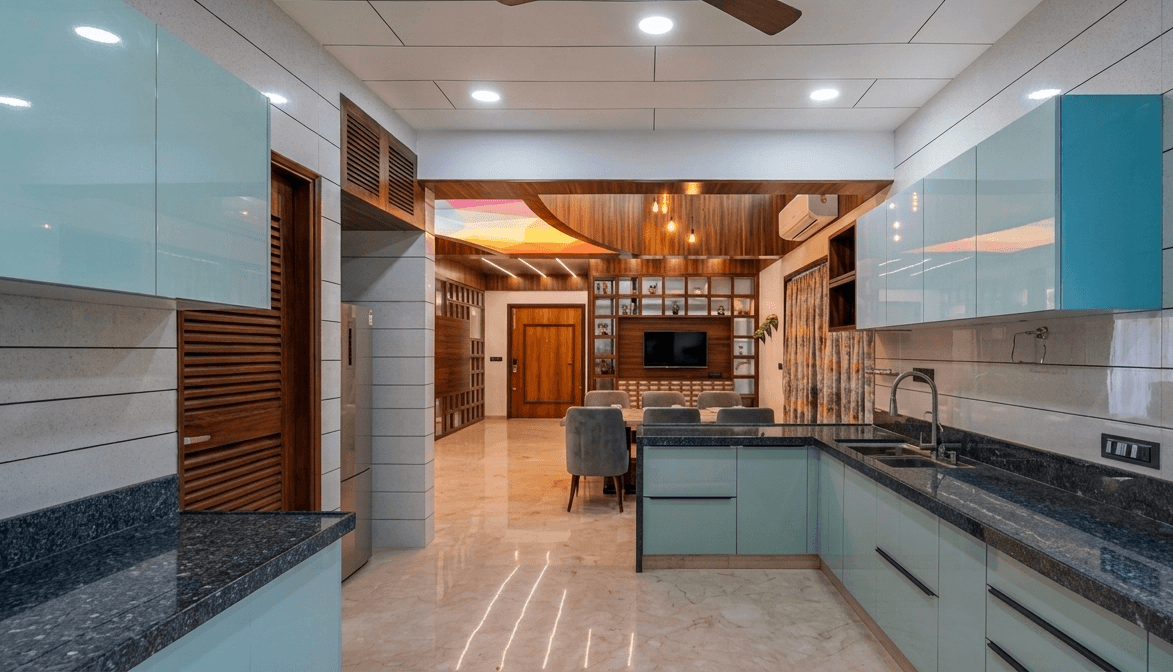
Beyond doors, 2026 sees rooms taking cues from theater, deliberately composed and dramatic with color used on ceilings, inside bookshelves, on fireplace alcoves, and on the backs of cabinets. Anywhere you’d normally leave it safe and white.
The unexpected surface is where personality lives.
10. Wellness-First Design: Your Home as a Health Investment
The final and perhaps most enduring shift of 2026 is in how we think about what design is for.
Homeowners are rethinking home design with a focus on intention and ease, prioritizing warmth, longevity, and well-being, choosing spaces that feel personal, calming, and built to last.
This manifests in everything from the obvious (proper blackout curtains in the bedroom, ergonomic home office setups) to the more considered: aging-in-place design is becoming a priority, with Houzz research showing that 66% of homeowners address special needs during bathroom remodels, often incorporating curbless showers and grab bars, not because they have to, but because they’re thinking decades ahead.
Designers describe the mood of 2026 as one of hope and optimism shooting through in interior design, happier colors, warmer spaces, and a genuine sense that the home should lift you up.
This is the quiet genius of 2026 design: your home doesn’t just house your life. It actively improves it.
The Takeaway
2026 is not asking you to buy new things. It’s asking you to buy better things, and display the things you already love with more confidence.
The homes that will define this decade are not the ones that look most like a design magazine. They’re the ones that look most like the person who lives in them. Rich in texture, warm in tone, layered in story, and utterly, unapologetically personal.
Your home is the one place in the world that should feel completely like yours.
Make it feel like it.


![Hotel Interior Designer in Ahmedabad [2026 Cost Guide]](https://ahmedabadinteriordesigner.in/wp-content/uploads/2026/03/Hotel-Interior-Designer-in-Ahmedabad.png)