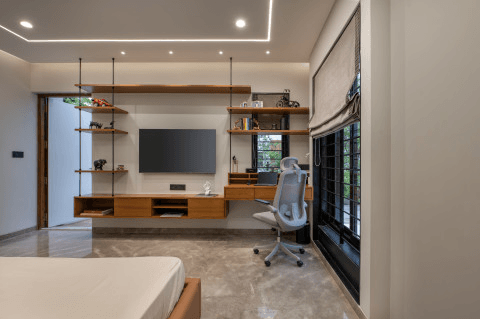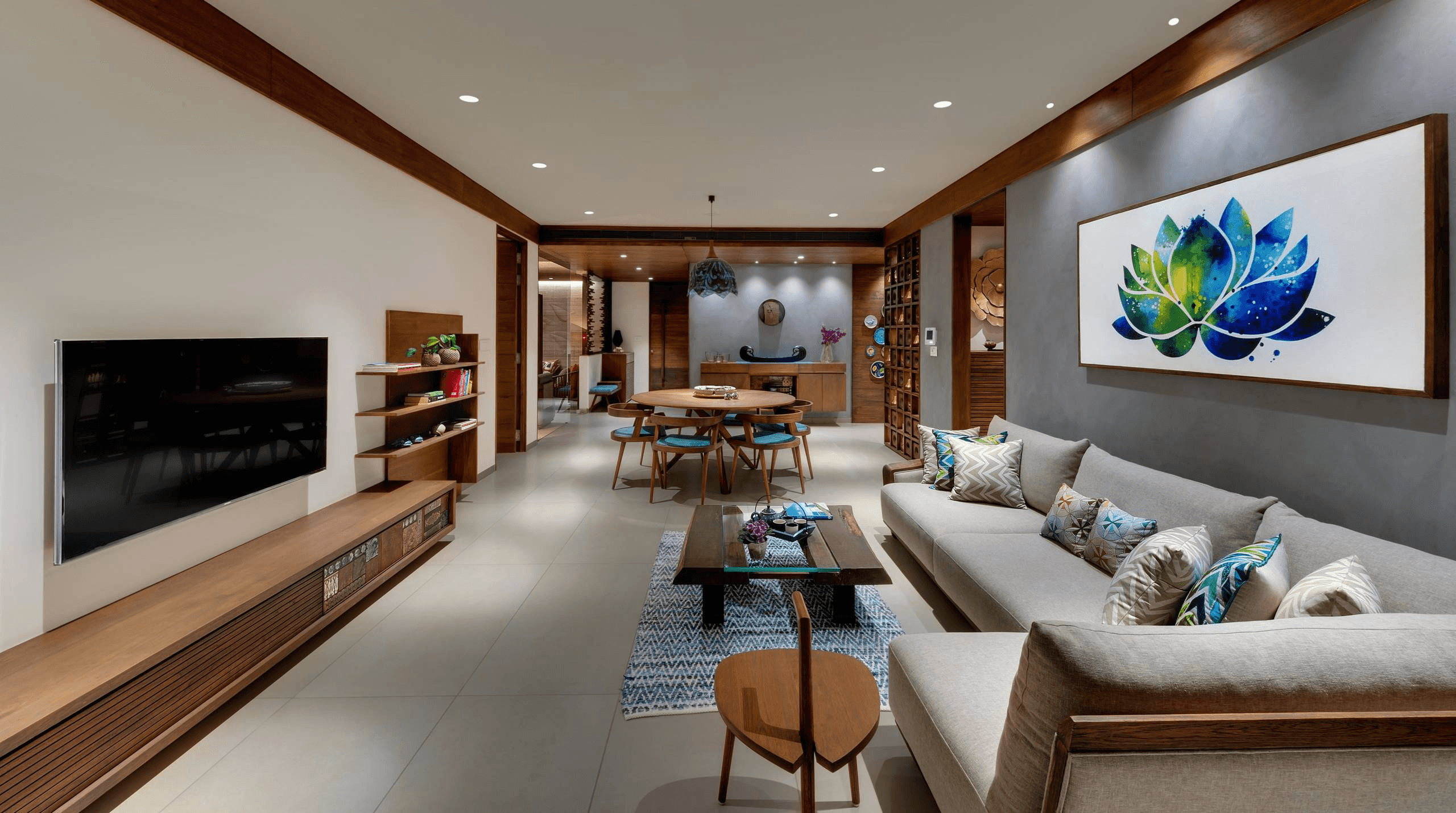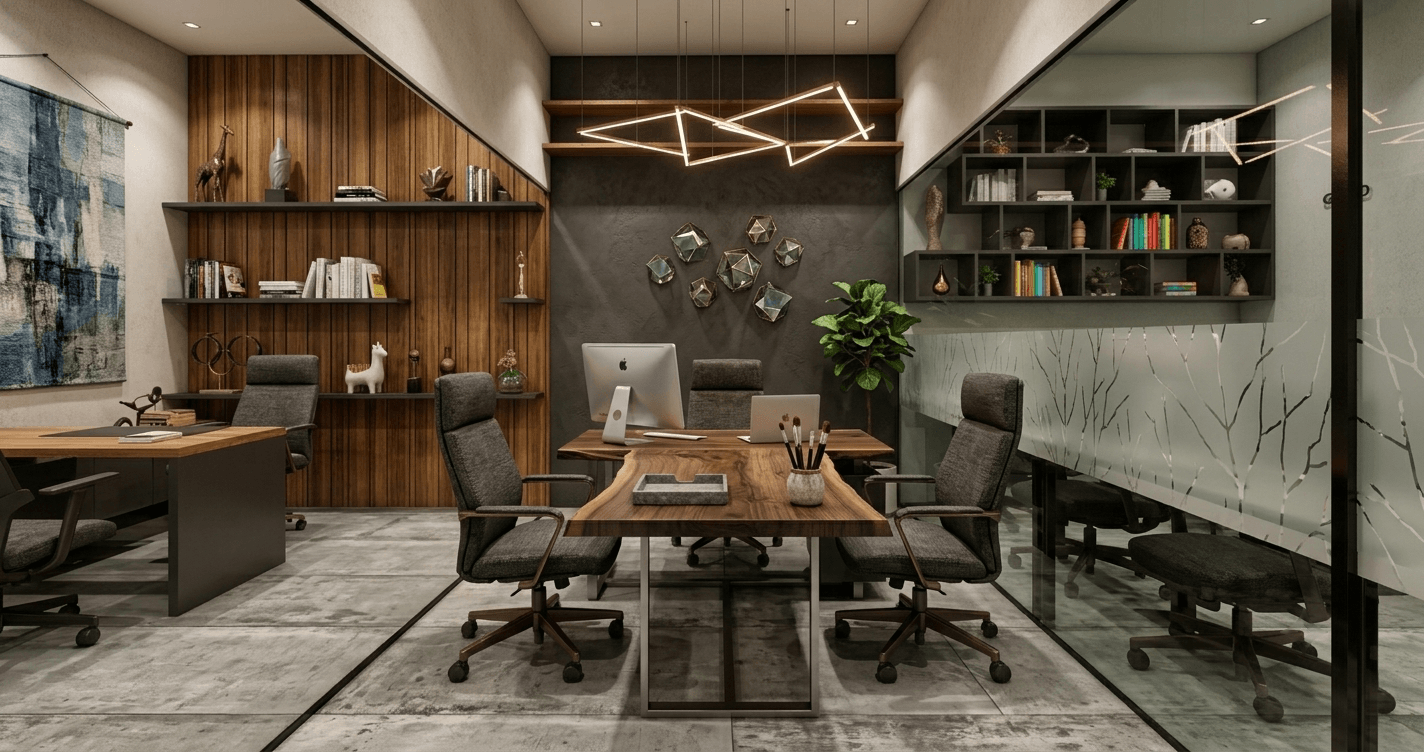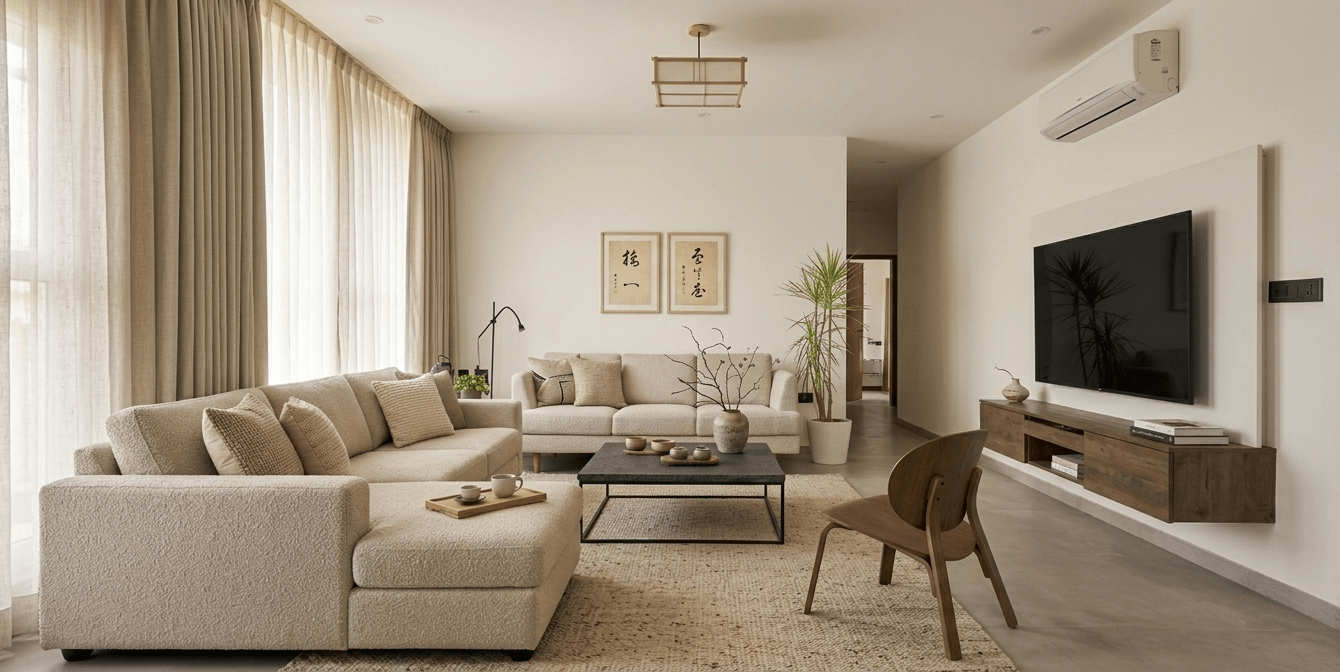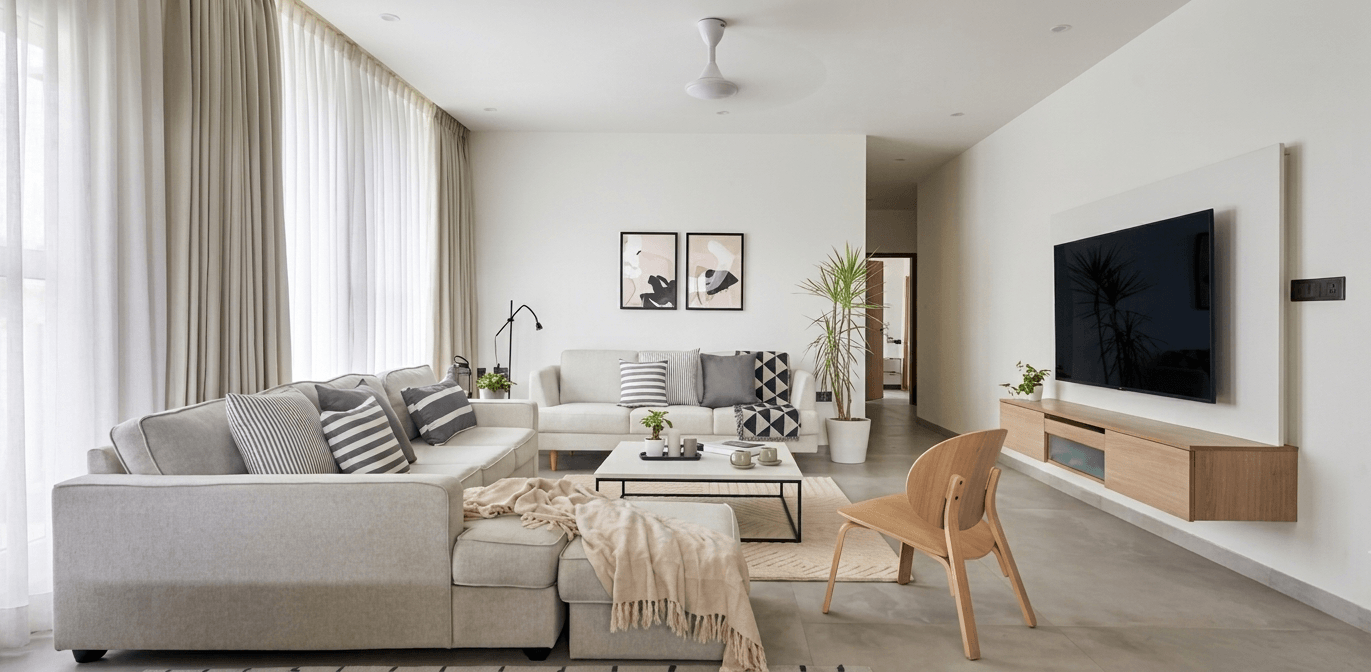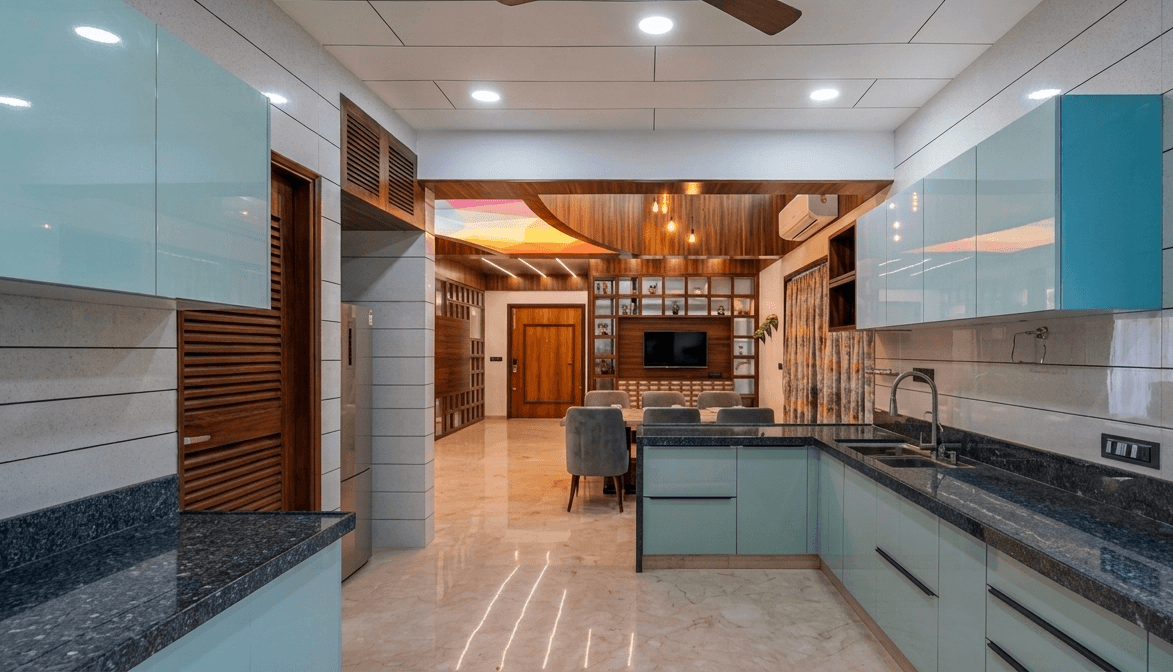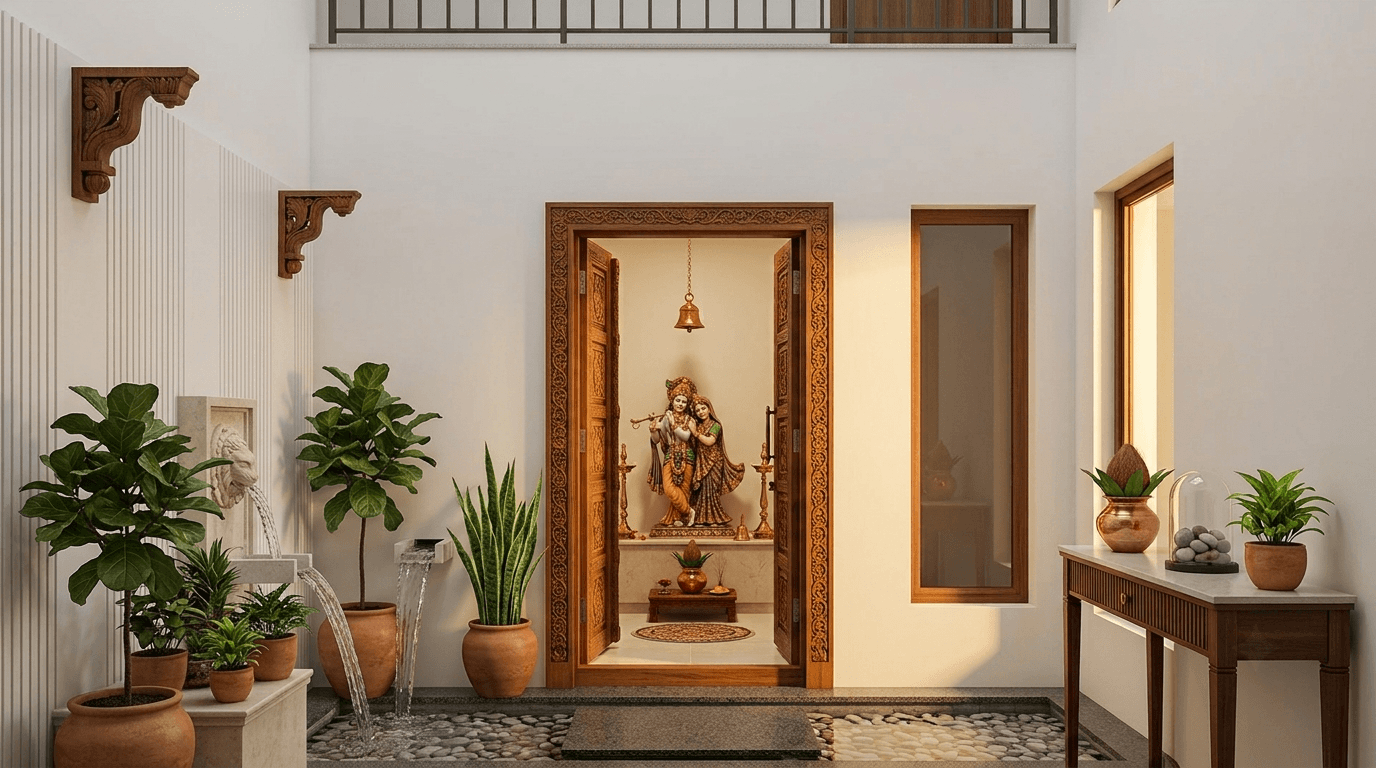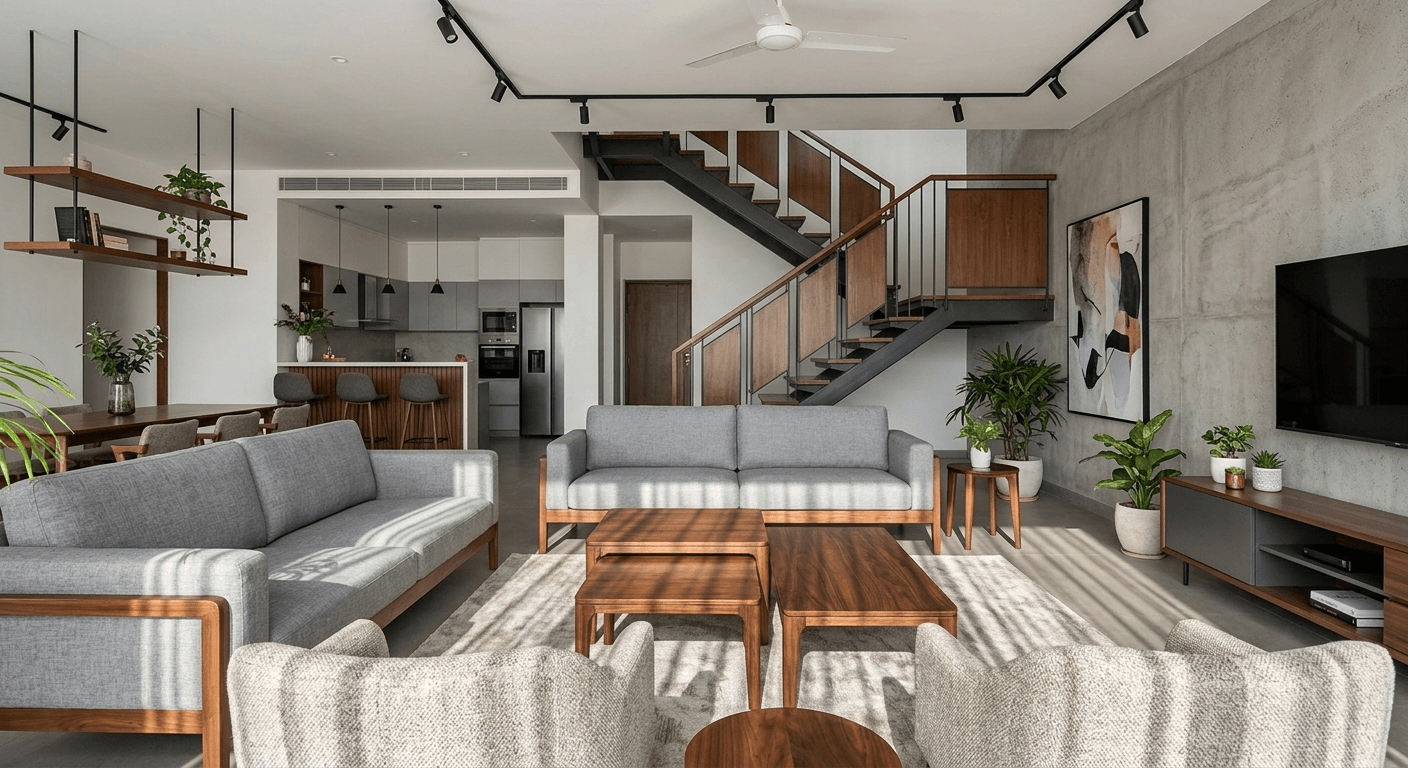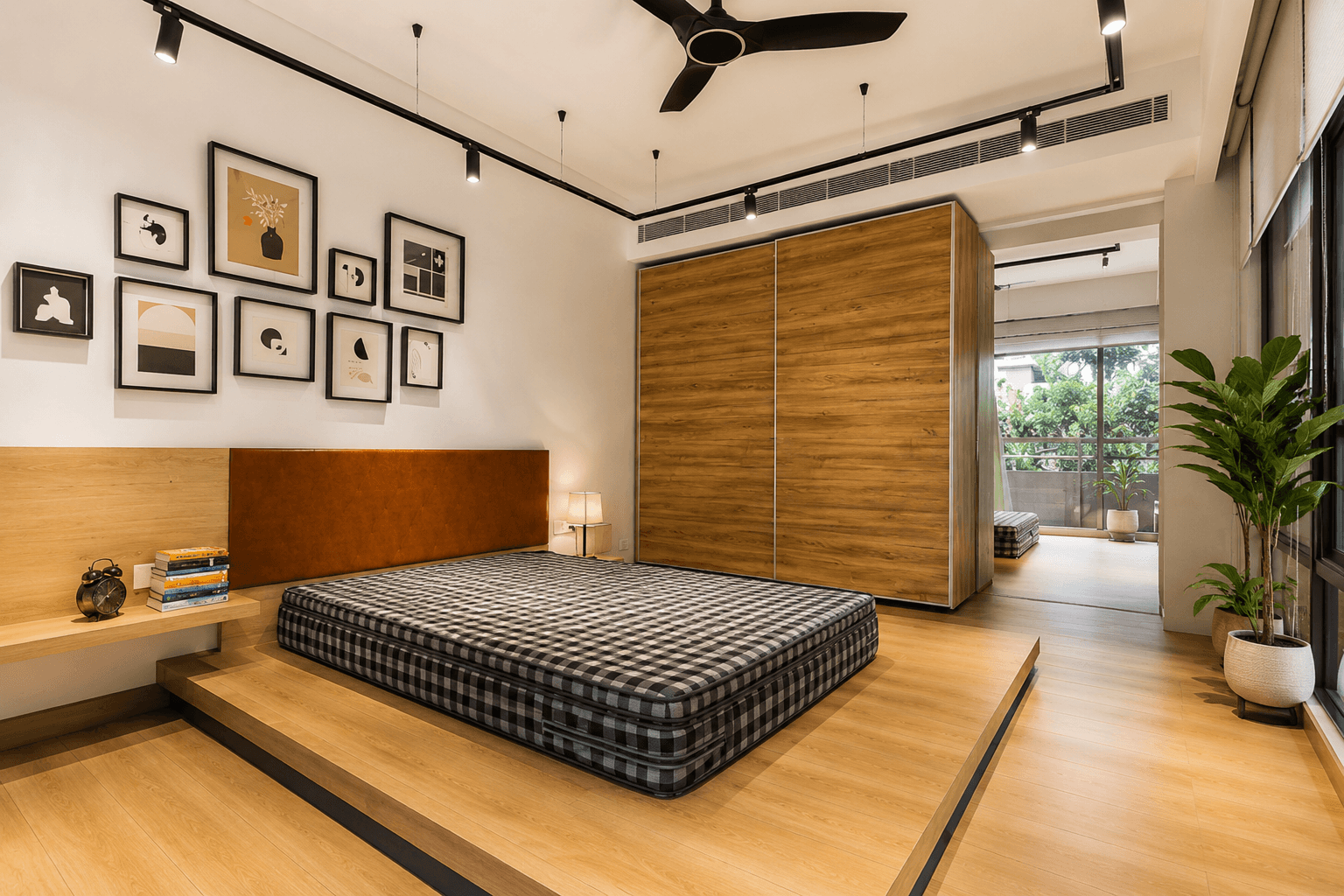
Yes, an architect can work in interior design, and many architects provide interior design services as part of their professional practice. In fact, architecture and interior design overlap in areas such as space planning, materials, lighting, furniture layouts, functionality, aesthetics and building services.
However, architecture and interior design are not exactly the same profession. An architect is primarily trained to design buildings and their relationship with structure, site and surroundings, while an interior designer focuses more deeply on the planning, functionality, appearance and experience of interior spaces.
In India, the distinction is also important from a professional-title perspective. The Council of Architecture (COA) regulates the professional use of the title “Architect” under the Architects Act, 1972. A person using the title and style of architect must meet the applicable qualification and registration requirements.
Can an Architect Work as an Interior Designer?
Yes. An architect can provide interior design services and can specialize in interior projects.
Architectural education covers many subjects that are directly useful for interior design, including:
- Space planning
- Building materials
- Construction technology
- Lighting
- Furniture planning
- Building services
- Architectural detailing
- Environmental design
- Design principles
- 3D visualization and presentation
- Site planning
- Project coordination
The COA’s published scope of architectural services specifically includes interior design, space planning, volumetric studies, furniture, interior-related civil work, illumination design, acoustic design, material selection and integration of engineering services.
This means an architect may be particularly well suited to projects where the building, layout and interiors need to work together as one design.
What Is the Difference Between an Architect and an Interior Designer?
The biggest difference is their primary area of responsibility.
| Architect | Interior Designer |
|---|---|
| Focuses on buildings and built environments | Focuses primarily on interior spaces |
| Works with building form, structure and site | Works with interior layout, furniture and finishes |
| Can work on architectural planning | Develops interior space planning |
| Considers structural and building requirements | Focuses heavily on usability and interior experience |
| Works on building elevations and external design | Works on walls, ceilings, flooring and interior details |
| Coordinates architectural and engineering requirements | Coordinates interior finishes, furniture, lighting and décor |
| May also provide interior design services | Specializes in interior design |
There is significant overlap between the two professions, especially on residential, commercial and turnkey projects.
For example, when designing a new villa, an architect may plan the building and also develop the interior spaces. An interior designer may then take responsibility for the detailed interior design, furniture, finishes, lighting, wardrobes, kitchen and décor.
Can an Architect Design the Interior of a House?
Yes. An architect can design the interiors of a house.
An architect may work on the complete design of a home, including:
- Living room interior design
- Bedroom interior design
- Modular kitchen design
- Wardrobe design
- Dining area
- Pooja room
- TV unit
- False ceiling
- Lighting layout
- Flooring
- Wall finishes
- Furniture layouts
- Bathroom interiors
- Storage solutions
- Material selection
- Colour schemes
- Space planning
For a homeowner, hiring an architect who also specializes in interiors can have an important advantage: the architectural layout and interior design can be developed together instead of separately.
This can be particularly useful for villas, bungalows, penthouses, luxury homes and new residential construction.
Can an Architect Do Interior Design Without Being an Interior Designer?
Yes, an architect does not necessarily need to hold a separate “interior designer” title to provide interior design services within the scope of their professional practice.
The important distinction is between providing interior design services and claiming a regulated professional title.
An architect can incorporate interior design into their services, while a person who specifically wants to practice as an interior designer may pursue interior design education and professional experience.
For clients, the more important question is often not simply:
“Is this person an architect or interior designer?”
Instead, ask:
“Does this professional have the experience, design expertise and execution capability required for my interior project?”
Is an Architect Better Than an Interior Designer for Home Interiors?
Not necessarily. It depends on the project.
An architect can be an excellent choice when the project involves both architecture and interiors, especially:
- New home construction
- Villa projects
- Bungalows
- Large residential projects
- Structural changes
- Major renovations
- Space planning
- Building extensions
- Architectural and interior coordination
An experienced interior designer can be particularly valuable when the primary requirement is transforming an existing space through:
- Furniture
- Storage
- Modular kitchens
- Wardrobes
- Lighting
- False ceilings
- Wall treatments
- Flooring
- Colours
- Décor
- Interior styling
For a turnkey home interior project, the ideal professional is one who can coordinate design, materials, drawings, vendors, site execution and final handover.
Can an Architect Become an Interior Designer?
Yes. An architect can specialize in interior design and build a career or business around interior projects.
An architect who wants to move deeper into interior design can develop expertise in:
1. Interior Space Planning
Learning how to optimize every square foot for movement, storage, comfort and functionality.
2. Furniture Design
Understanding furniture dimensions, ergonomics, proportions and custom furniture detailing.
3. Material Selection
Developing knowledge of laminates, veneers, acrylics, natural stone, tiles, glass, metals, wood, paints and other interior materials.
4. Lighting Design
Understanding ambient, task and accent lighting and how lighting affects the appearance of a space.
5. Modular Interiors
Learning the technical requirements of modular kitchens, wardrobes, storage units and other factory-manufactured components.
6. Interior Detailing
Developing detailed drawings for ceilings, walls, flooring, furniture, electrical points and joinery.
7. Interior Execution
Understanding carpentry, electrical work, false ceilings, painting, plumbing, flooring and installation.
8. 3D Interior Visualization
Using 3D software and realistic renders to communicate the final design to clients.
Can an Architect Do Both Architecture and Interior Design?
Yes. This is one of the strongest combinations for certain projects.
A professional who handles both architecture and interiors can coordinate the design from the building envelope all the way to the smallest interior detail.
For example:
Architecture → Floor Plan → Space Planning → Interior Design → Furniture → Lighting → Materials → Execution
This integrated approach can reduce design conflicts and help maintain consistency throughout the project.
It is especially useful for:
- Luxury villas
- Bungalows
- Penthouses
- New residential construction
- High-end apartments
- Corporate offices
- Retail spaces
- Hospitality projects
- Large renovations
What Does an Architect Do in Interior Design?
When an architect takes responsibility for interior design, their work can include much more than choosing colours and furniture.
A comprehensive interior design scope may include:
- Site measurement
- Existing-condition assessment
- Space planning
- Furniture planning
- Interior layouts
- Ceiling plans
- Electrical layouts
- Lighting plans
- Flooring layouts
- Kitchen design
- Wardrobe design
- Bathroom planning
- Material specifications
- Furniture detailing
- 3D visualization
- Interior elevations
- Construction drawings
- Vendor coordination
- Site supervision
- Quality control
The COA’s published architectural scope similarly lists interior design and space planning, fixed and loose furniture, illumination, acoustics, material selection and integration of engineering services among architectural services.
Architect vs Interior Designer: Which One Should You Hire?
The answer depends on what you are trying to accomplish.
Hire an architect when:
- You are constructing a new house.
- You need architectural drawings.
- You are changing the building structure.
- You need building planning.
- You are designing a villa or bungalow.
- You need architecture and interiors together.
Hire an interior designer when:
- Your property is already constructed.
- You primarily need interior planning.
- You want a modular kitchen.
- You need wardrobes and storage.
- You want a complete living room makeover.
- You need furniture, lighting and décor planning.
Consider an architect who provides interior design when:
- You want architecture and interiors under one design approach.
- You are constructing a luxury home.
- You are extensively renovating a property.
- You need major space planning.
- You want one team coordinating multiple design requirements.
Can an Architect Design a Modular Kitchen?
Yes. An architect can design a modular kitchen as part of an interior design project.
A professional kitchen design may involve:
- Kitchen layout
- Work triangle
- Cabinet dimensions
- Countertop planning
- Appliance positioning
- Storage requirements
- Lighting
- Electrical points
- Plumbing
- Hardware
- Finishes
- Ventilation
However, the quality of the final kitchen depends on the designer’s actual experience with modular kitchen detailing and execution, not simply whether they are an architect.
Can an Architect Design Furniture?
Yes. Architects can design both built-in and loose furniture.
Examples include:
- TV units
- Wardrobes
- Beds
- Study tables
- Bookshelves
- Display units
- Storage cabinets
- Kitchen cabinets
- Bar units
- Shoe cabinets
- Console tables
Furniture and interior detailing are also specifically included within the COA’s published scope of architectural services.
Is Interior Design Part of Architecture?
Interior design can be part of an architect’s professional services, but interior design and architecture remain distinct areas of design practice.
Architecture generally deals with the broader built environment, while interior design concentrates more closely on the spaces inside a building.
A simple way to understand it is:
Architecture creates and organizes the building.
Interior design shapes how people experience the spaces inside it.
In many projects, these two disciplines work together rather than separately.
Why Choose One Company for Architecture and Interior Design?
When architecture and interior design are handled by separate teams, coordination may sometimes become more complicated.
An integrated team can coordinate:
- Floor plans
- Furniture layouts
- Electrical points
- Lighting
- Ceiling design
- Plumbing
- Materials
- Doors
- Windows
- Storage
- Kitchen
- Wardrobes
- Site execution
This can create a more consistent design from the building structure to the finished interior.
For homeowners, it can also mean fewer coordination problems and a clearer communication process.
Can an Architect Be an Interior Designer? The Simple Answer
Yes, an architect can provide interior design services and specialize in interior design. Architecture education provides a strong foundation in space planning, materials, construction, lighting and design, while professional experience in interiors helps an architect develop deeper expertise in furniture, finishes, detailing and execution.
However, being an architect does not automatically make someone an excellent interior designer. The quality of an interior project depends on the professional’s specific interior design experience, portfolio, technical knowledge and ability to execute the design.
Frequently Asked Questions
Can a B.Arch graduate become an interior designer?
Yes. A B.Arch graduate can develop a career specializing in interior design. Architecture education provides a strong foundation in design, space planning, construction and materials, which can be applied to interior projects.
Can an architect work as an interior designer?
Yes. Architects can provide interior design services, and interior design is expressly included within the COA’s published scope of architectural services.
Is an architect the same as an interior designer?
No. They are related but distinct professions. Architects generally focus on buildings, while interior designers focus primarily on the planning and design of interior spaces.
Can architects design house interiors?
Yes. Architects can design residential interiors including living rooms, bedrooms, kitchens, wardrobes, ceilings, lighting, furniture and other interior elements.
Can an architect design a 3BHK interior?
Yes. An architect with interior design experience can design a complete 3BHK interior, including space planning, furniture, kitchen, wardrobes, lighting, ceilings and finishes.
Can an architect do interior design in India?
Yes, architects can provide interior design services within their professional scope. However, the title “Architect” itself is regulated in India and is tied to registration under the Architects Act.
Who is better for interior design: an architect or an interior designer?
Neither is automatically better. Choose based on the project’s requirements, the professional’s interior portfolio, technical expertise, experience and execution capabilities.
Can an architect design both a building and its interiors?
Yes. An architect can provide architectural services and interior design services, allowing both aspects of a project to be coordinated through one design approach.
Do architects learn interior design?
Architectural education includes subjects and design work that overlap with interior design. However, an architect may develop additional specialized experience in interiors through practice, projects and further training.
Can an interior designer become an architect?
Not automatically. In India, becoming a registered architect requires the applicable recognized architectural qualification and registration requirements under the Architects Act and Council of Architecture framework.
Should I hire an architect or interior designer for a renovation?
For a simple aesthetic renovation, an interior designer may be sufficient. For major renovation involving structural changes, extensions or significant architectural modifications, an architect may be more appropriate, potentially working alongside an interior designer.
Final Takeaway
Can an architect be an interior designer? Yes.
An architect can provide interior design services and may specialize in residential, commercial, luxury or turnkey interiors. The two fields overlap significantly, particularly in space planning, materials, furniture, lighting, construction detailing and project coordination.
For a homeowner, the most important factor is not the title alone. Look for a professional or interior design company with:
- Proven interior design experience
- A strong project portfolio
- Detailed drawings
- 3D visualization
- Transparent pricing
- Material knowledge
- Experienced site execution
- Skilled carpentry and installation teams
- Clear project management
- Complete design-to-handover capability
For a complete home interior, the right professional is the one who can turn the design concept into a functional, beautiful and properly executed space.