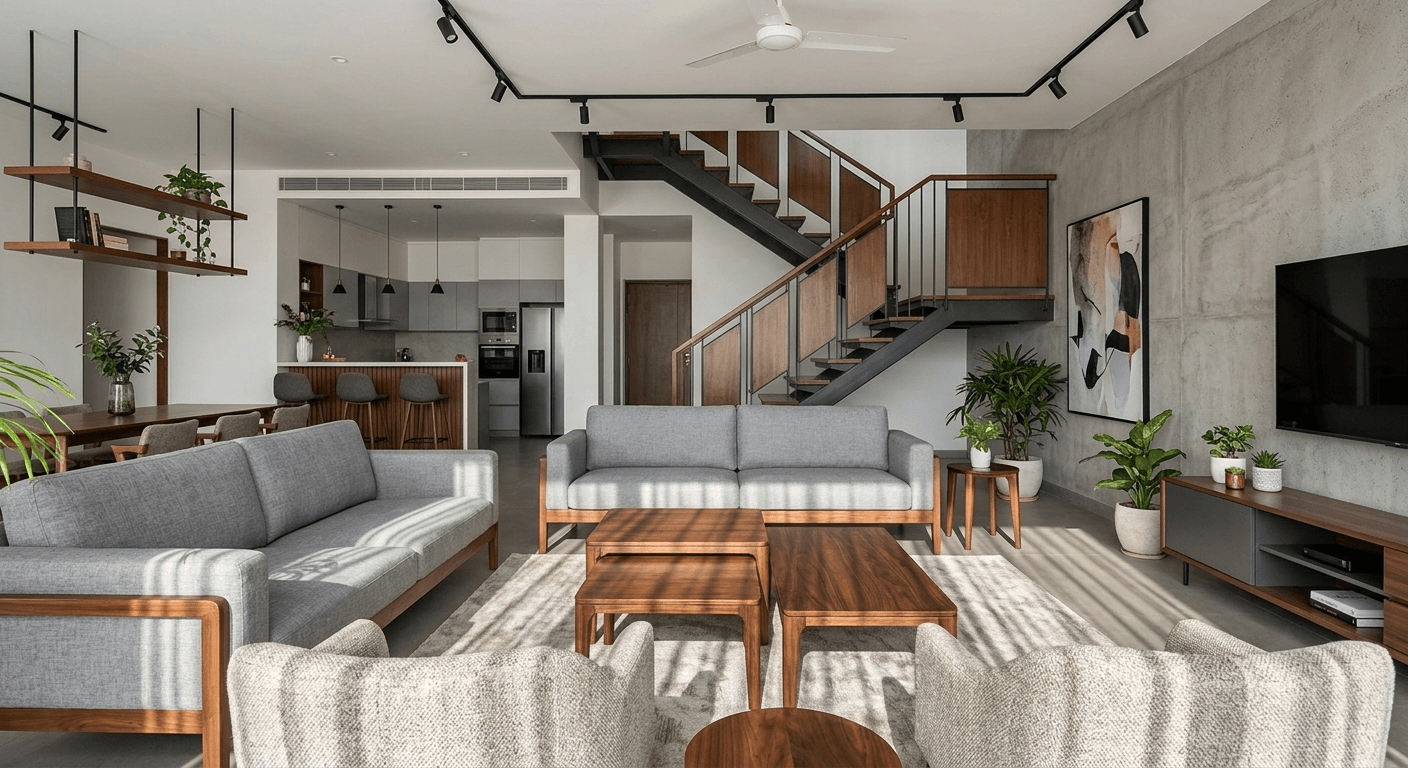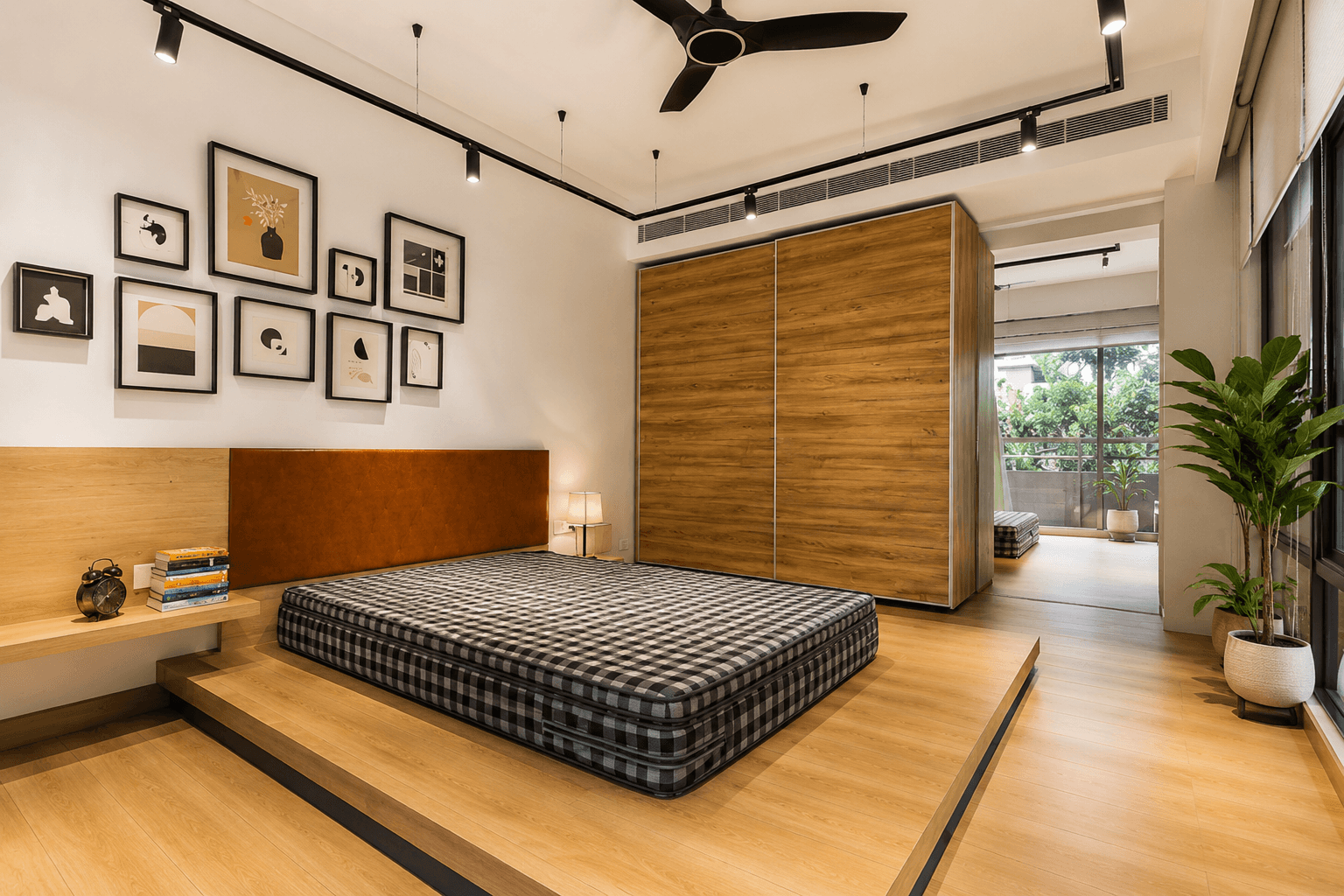
Yes, an interior designer can also be an interior decorator. In fact, many professional interior designers provide both interior design and interior decorating services as part of a complete project.
The important difference is that interior design generally covers a broader scope than interior decoration. An interior designer may work on space planning, layouts, functionality, materials, lighting, cabinetry, electrical planning, renovation coordination and project execution. An interior decorator primarily focuses on the visual appearance of an existing space through furniture, colours, fabrics, artwork, accessories and styling.
So, while an interior designer can perform decorating work, an interior decorator does not necessarily provide the technical and spatial services associated with interior design.
Quick Answer: Can an Interior Designer Also Be a Decorator?
Yes. An interior designer can be an interior decorator because decorating is often one component of a complete interior design project.
For example, an interior designer designing a 3BHK home may:
- Create the overall floor plan and space layout
- Plan furniture placement
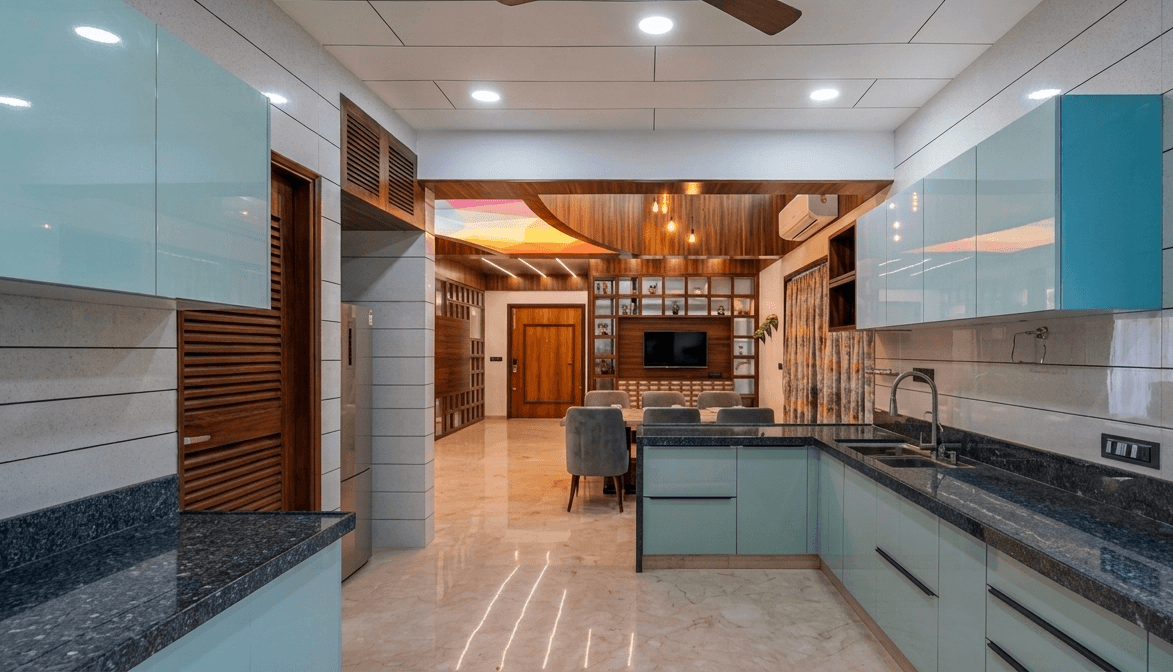
- Design a modular kitchen
- Design wardrobes and storage
- Plan lighting and electrical points
- Select flooring and wall finishes
- Choose colours and materials
- Select sofas, beds and dining furniture
- Recommend curtains, rugs and cushions
- Select artwork and decorative accessories
- Style the completed rooms
The first group is primarily associated with interior design, while the latter decorative decisions fall within interior decoration. A full-service designer can manage both.
What Is the Difference Between an Interior Designer and an Interior Decorator?
The terms interior designer and interior decorator are often used interchangeably in everyday conversation, but they are not exactly the same.
The simplest way to understand the difference is:
Interior design focuses on how a space works as well as how it looks, while interior decoration primarily focuses on how an existing space looks and feels.
Interior designers consider functionality, spatial planning and the practical requirements of a project, while decorators concentrate more heavily on furniture, colours, fabrics, finishes and accessories.
Interior Designer vs Interior Decorator
| Interior Designer | Interior Decorator |
|---|---|
| Plans spaces and layouts | Styles existing spaces |
| Focuses on function and aesthetics | Primarily focuses on aesthetics |
| May work on renovations | Usually works within the existing layout |
| Plans furniture layouts | Selects and arranges furniture |
| May coordinate technical requirements | Focuses on decorative selections |
| Selects materials and finishes | Selects colours, fabrics and accessories |
| May coordinate contractors and execution | May coordinate furnishing and styling |
| Can provide decorating services | May not provide technical design services |
The exact scope varies by professional and project, so homeowners should always check the designer’s or decorator’s actual services rather than relying only on the job title.
What Does an Interior Designer Do?
An interior designer looks at the complete interior environment.
The process can begin with understanding how the client uses the space, followed by space planning, furniture layouts, material selection, lighting, storage and other design decisions.
Depending on the project, an interior designer may also coordinate with architects, contractors, engineers and other professionals.
Typical interior design services include:
1. Space Planning
An interior designer determines how different areas should be arranged so that the home is comfortable, practical and visually balanced.
For example, a designer may decide:
- Where the sofa should go
- How much circulation space is required
- Where storage should be located
- How the dining area connects to the kitchen
- How bedrooms should be organised
- How furniture should fit within the room
2. Interior Layout Design
A designer develops layouts based on the dimensions and requirements of the property.
This becomes especially important for:
- 2BHK and 3BHK apartments
- 4BHK homes
- Villas
- Bungalows
- Penthouses
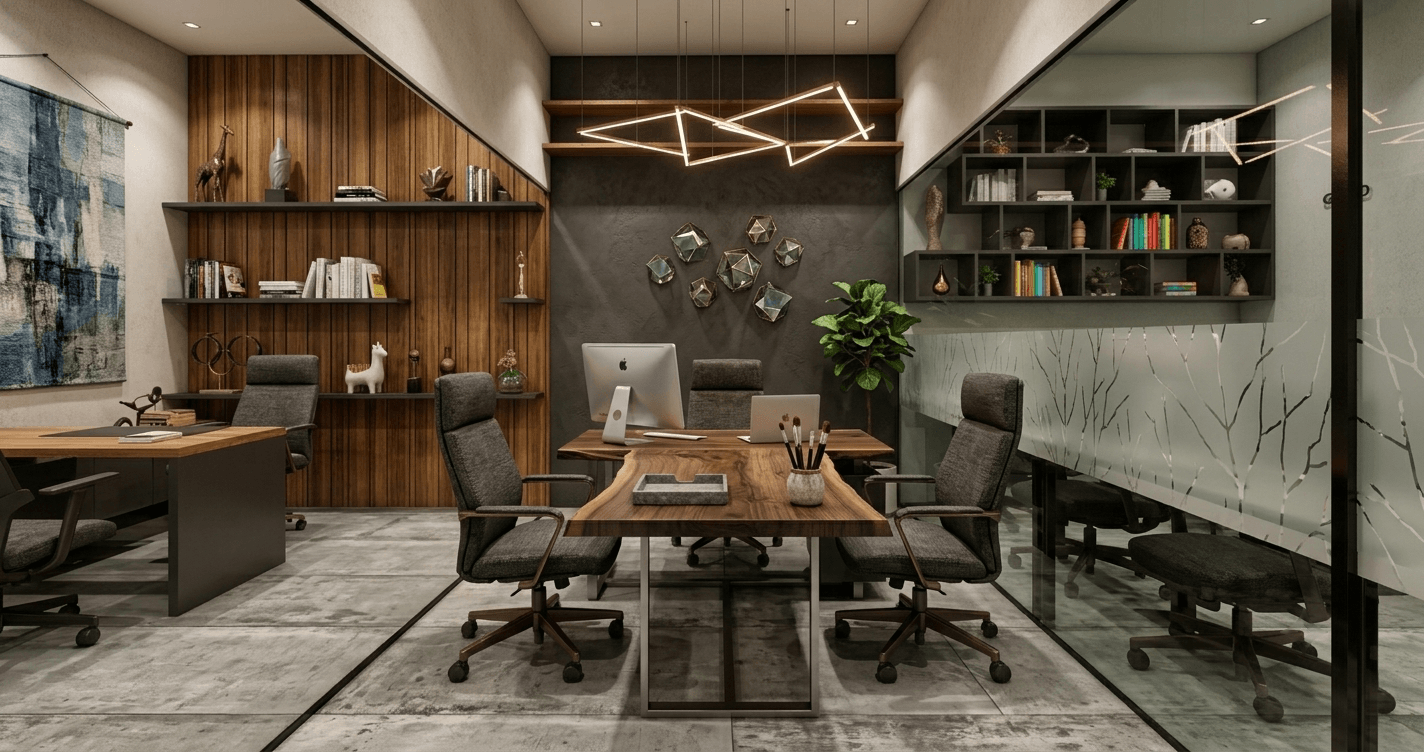
- Offices
- Retail spaces
3. Kitchen Design
Interior designers can plan the complete kitchen, including:
- Kitchen layout
- Modular cabinets
- Countertop
- Storage
- Appliances
- Lighting
- Electrical points
- Materials and finishes
4. Wardrobe and Storage Design
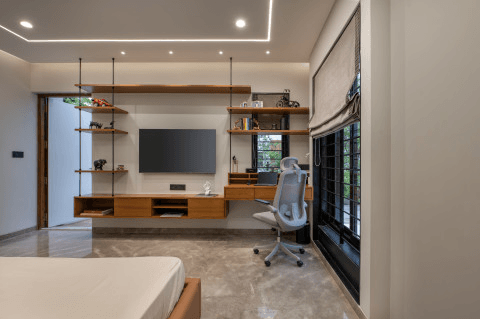
A designer can create customised wardrobes, TV units, crockery units, study areas, shoe storage and other built-in furniture according to the available space.
5. Lighting and Electrical Planning
Interior design can involve planning lighting locations and electrical requirements so that the lighting works with the furniture and room layout.
6. Material and Finish Selection
An interior designer may select:
- Flooring
- Wall finishes
- Laminates
- Veneers
- Paint
- Tiles
- Glass
- Hardware
- Ceiling finishes
- Fabrics
7. Furniture Selection
This is where interior design and interior decoration overlap significantly.
A designer can help select furniture according to:
- Room dimensions
- Design style
- Comfort
- Colour palette
- Budget
- Function
- Overall interior theme
8. Interior Styling and Decoration
Once the major design work is completed, the designer can also style the space with:
- Curtains
- Rugs
- Cushions
- Artwork
- Mirrors
- Decorative objects
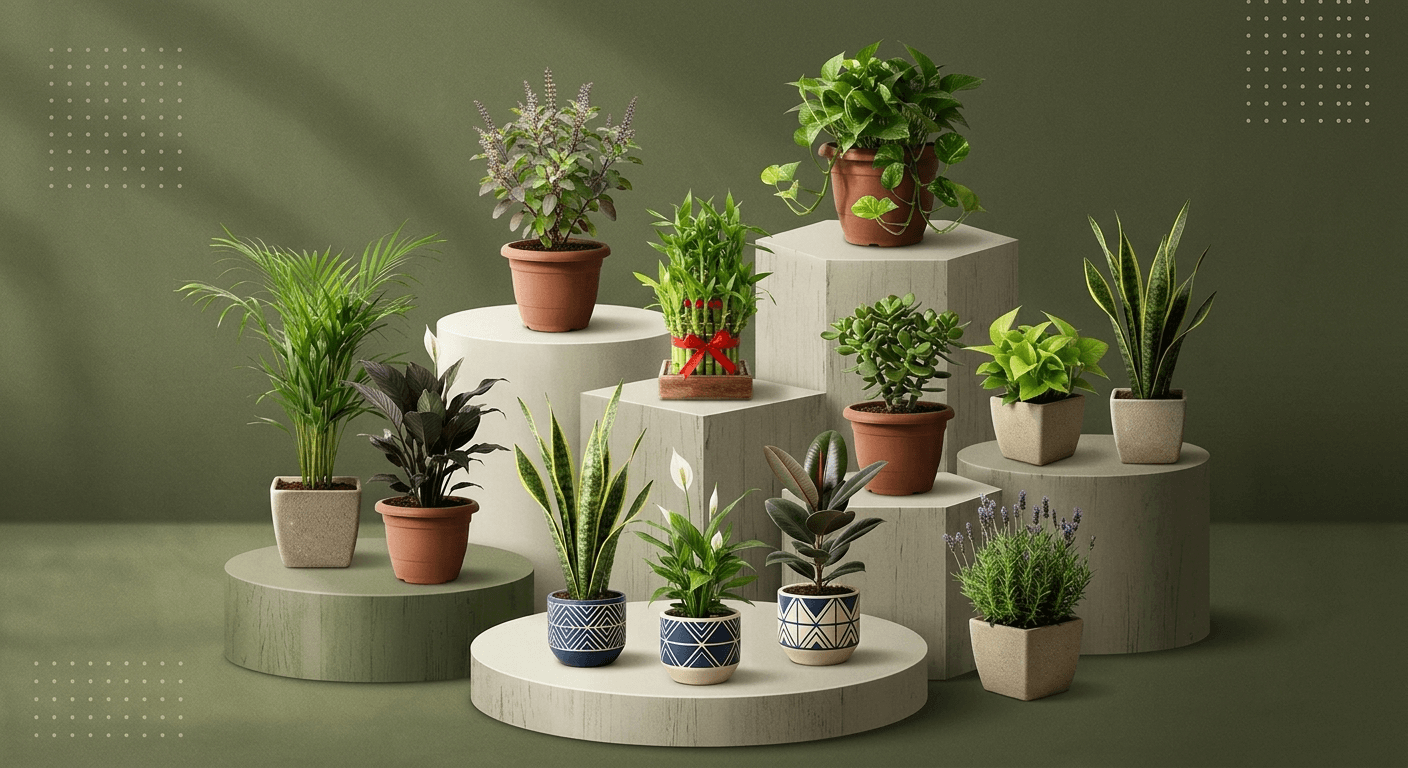
- Indoor plants
- Lamps
- Accessories
This is the interior decorator side of the project.
What Does an Interior Decorator Do?
An interior decorator primarily works with the visual character and atmosphere of an existing space.
Interior decoration can include selecting and arranging:
- Furniture
- Paint colours
- Curtains
- Fabrics
- Rugs
- Artwork
- Mirrors
- Decorative lighting
- Cushions
- Accessories
- Plants
- Decorative objects
A decorator can transform a room without necessarily changing its underlying layout or structure.
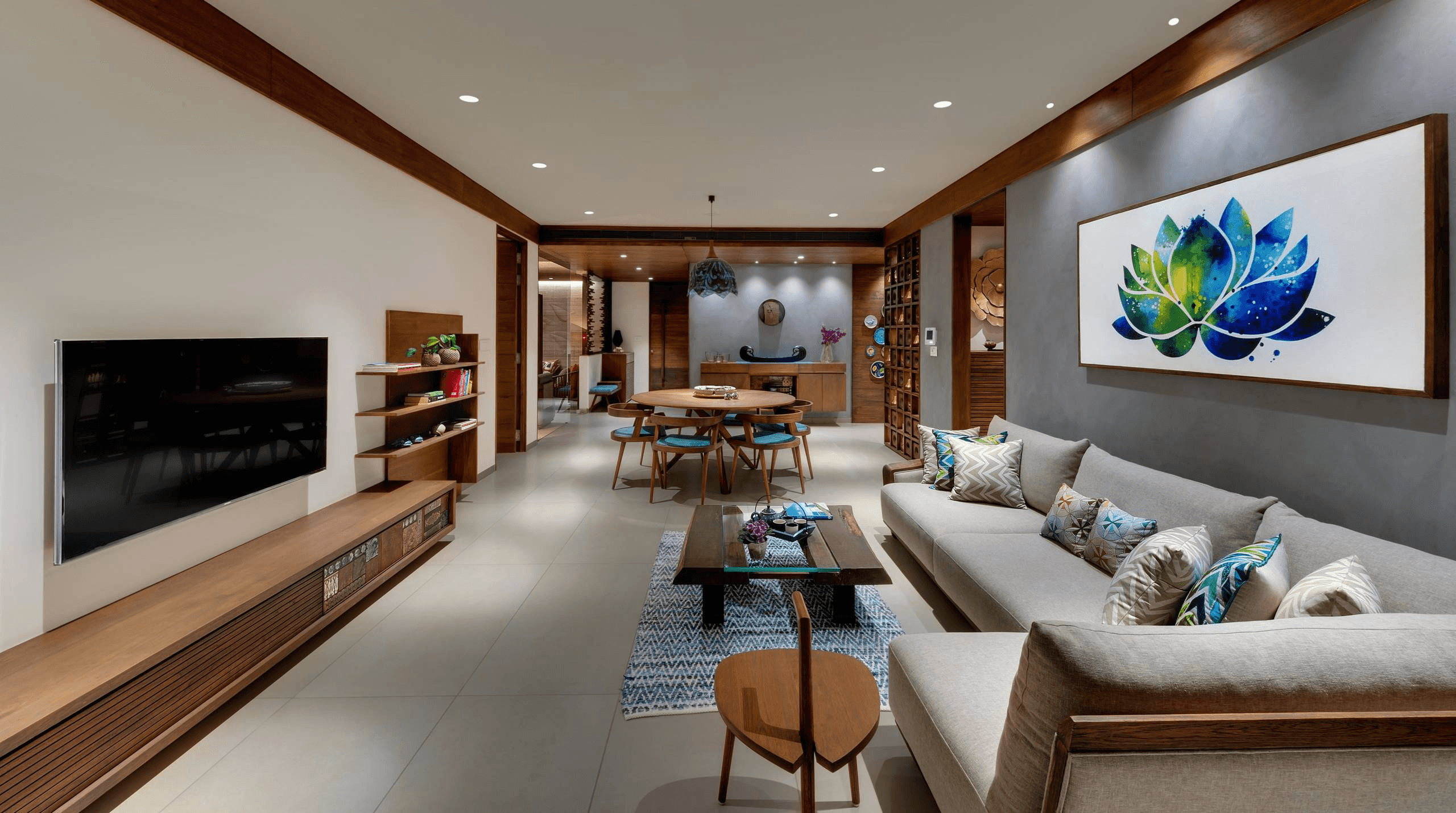
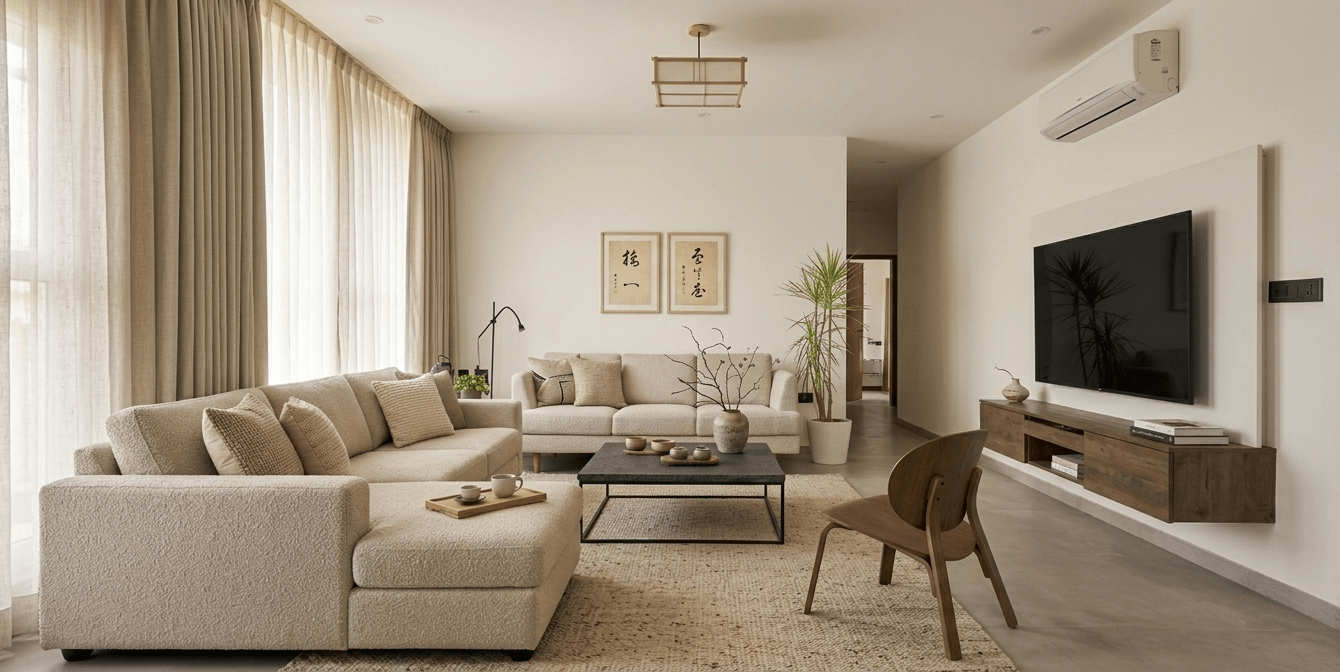
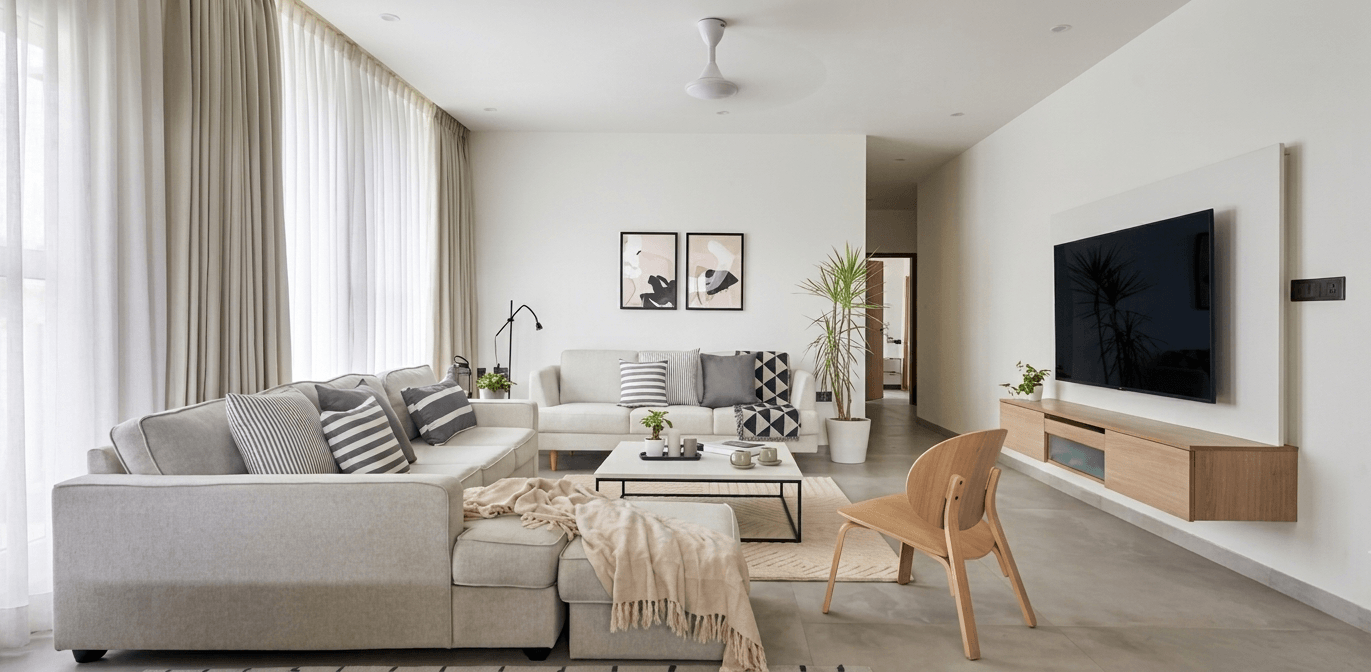
For example, if you already have a well-planned living room but it looks outdated, an interior decorator could refresh it with a new colour scheme, sofa, curtains, rug, artwork and accessories.
Can an Interior Designer Do Interior Decorating?
Yes. An interior designer can absolutely do interior decorating.
In many full-service interior design projects, decoration is actually the final layer of the design process.
Think of an interior project in three stages:
Space → Design → Decoration
First, the space needs to function properly. Then the design establishes the layout, materials, lighting and built-in elements. Finally, decoration adds personality through furniture, colours, textiles, artwork and accessories.
This is why a homeowner hiring a full-service interior designer may not need to hire a separate interior decorator.
Is Interior Design the Same as Interior Decorating?
No, interior design and interior decorating are related but not identical.
Interior decoration primarily addresses the visual appearance of a space.
Interior design has a broader scope that can address:
- Space planning
- Functionality
- Circulation
- Furniture planning
- Lighting
- Materials
- Storage
- Renovation
- Built-in furniture
- Technical coordination
- Project execution
- Aesthetic styling
Industry guidance similarly distinguishes interior design as covering both form and function, while interior decoration concentrates more on aesthetic elements such as furnishings, finishes, colours and decor.
Can an Interior Decorator Become an Interior Designer?
Yes, an interior decorator can move into interior design by developing the additional skills and knowledge required for broader design work.
The transition generally involves learning areas such as:
- Space planning
- Interior design principles
- Technical drawings
- CAD and 3D design
- Materials
- Building systems
- Lighting design
- Construction processes
- Project coordination
- Furniture design
- Building and safety considerations
The exact education, credentials and legal requirements vary by country and jurisdiction, so professionals should check the requirements where they intend to practice.
Can an Interior Designer Decorate a Home?
Yes. This is one of the most common overlaps between interior design and interior decoration.
Suppose you hire an interior designer for a complete home interior project.
The designer could take care of the project from the initial consultation through final styling:
Initial consultation → Space planning → 3D design → Material selection → Furniture design → Execution → Furniture selection → Styling → Final handover
This provides the homeowner with a more integrated experience instead of coordinating multiple professionals.
When Should You Hire an Interior Designer?
An interior designer is generally the better choice when your project requires more than simply changing the appearance of a room.
Consider hiring an interior designer if you are:
- Designing a new home
- Renovating an apartment
- Planning a 3BHK interior
- Designing a villa
- Designing a bungalow
- Redesigning an office
- Creating a modular kitchen
- Adding customised wardrobes
- Changing the layout
- Planning extensive built-in furniture
- Reworking lighting and electrical requirements
- Managing a complete turnkey interior project
For larger projects, having one professional coordinate the design and execution can make the process more organised.
When Should You Hire an Interior Decorator?
An interior decorator may be sufficient when your space already functions well but needs a visual makeover.
You might hire a decorator when you want to:
- Change your colour scheme
- Buy new furniture
- Select curtains
- Add artwork
- Style a living room
- Refresh a bedroom
- Choose rugs and cushions
- Improve the overall appearance of your home
- Create a particular interior design style
For example, if your living room has a good layout but feels plain, decoration may be all you need.
Can One Professional Handle Both Interior Design and Decoration?
Yes, and this can be an advantage for homeowners.
When the same interior design company handles both design and decoration, the entire interior can follow one consistent concept.
For example, a modern luxury home can maintain the same design language through:
- Flooring
- Wall treatments
- False ceiling
- Lighting
- Modular kitchen
- Wardrobes
- Furniture
- Curtains
- Artwork
- Decorative accessories
Instead of treating decoration as an afterthought, it becomes part of the overall interior design concept.
Interior Designer vs Interior Decorator: Which One Should You Hire?
The answer depends on the complexity of your project.
Choose an interior decorator if:
Your home already has a functional layout and you mainly need help with furniture, colours, fabrics, artwork and styling.
Choose an interior designer if:
You need help with space planning, renovation, furniture design, storage, kitchen design, lighting, materials, layouts or complete project execution.
Choose a full-service interior design company if:
You want design + decoration + execution under one roof.
This can be particularly useful for homeowners who do not want to coordinate separate carpenters, electricians, painters, furniture suppliers and decorators themselves.
Why the Difference Matters for Homeowners?
Understanding the difference between an interior designer and an interior decorator can help you choose the right professional and avoid confusion about what is included in your project.
For example, asking a decorator to solve a fundamentally poor room layout may not be the right approach. Likewise, hiring a full-service designer for a simple furniture-and-accessories refresh may provide more expertise than you actually need.
The best approach is to look beyond the title and ask:
What exactly will the professional design, supply, coordinate and execute?
Before hiring anyone, ask for a clear scope of work covering design drawings, materials, furniture, execution, project management, installation and final styling.
Can an Interior Designer Also Be an Interior Decorator? Final Answer
Yes, an interior designer can also be an interior decorator.
An interior designer generally has a broader scope that can include space planning, functionality, materials, lighting, furniture, renovation and project execution. Interior decoration is primarily concerned with the visual layer of a space, including colours, furniture, fabrics, artwork and accessories.
Therefore, interior design can include interior decoration, but interior decoration does not necessarily include the broader responsibilities of interior design.
For a complete home or office transformation, choosing an interior designer who also provides decorating and turnkey execution services can give you a single, coordinated design experience from concept to completion.
Frequently Asked Questions
Is an interior designer the same as an interior decorator?
No. Although the roles overlap, interior design generally has a broader scope covering space planning, functionality and design development, while interior decoration focuses mainly on the aesthetics and styling of an existing space.
Can an interior designer do decorating?
Yes. Many interior designers provide decorating services, including furniture selection, colour schemes, curtains, artwork, rugs, lighting and accessories.
Can a decorator call themselves an interior designer?
The terminology and professional requirements can vary by location. More importantly for a client, the professional’s actual qualifications, experience and scope of services should match the requirements of the project.
Which is better: interior designer or interior decorator?
Neither is universally better. An interior decorator may be ideal for a styling or furnishing refresh, while an interior designer is generally more suitable for a complete renovation, new-home interior or project requiring space planning and technical coordination.
Do interior designers choose furniture?
Yes. Furniture selection and furniture layout can be an important part of interior design. Designers may also customise furniture such as wardrobes, TV units, storage and other built-in elements.
Does interior design include decoration?
Often, yes. Many full-service interior designers handle both the functional design of a space and its final decorative styling.
Can an interior designer decorate a living room?
Yes. An interior designer can design the living room layout and also select furniture, colours, lighting, curtains, rugs, artwork and accessories to create a complete look.
Is interior decorating cheaper than interior design?
It can be, particularly when the project only requires furniture, finishes and styling rather than renovation or extensive design and execution. However, costs vary significantly depending on the size, scope, materials and services involved.
What is the main difference between interior design and interior decoration?
The simplest distinction is function and space planning versus aesthetics and styling. Interior design addresses how the space works as well as how it looks, while interior decoration primarily enhances the appearance and atmosphere of an existing space.
Can an interior designer provide complete home interior services?
Yes. A full-service interior designer or interior design company can potentially manage the project from design and material selection through furniture, decoration and execution, depending on its stated scope of services.
Is interior decoration part of interior design?
It can be. Because interior design encompasses both functional and aesthetic decisions, decoration can form part of the final stage of a comprehensive interior design project.