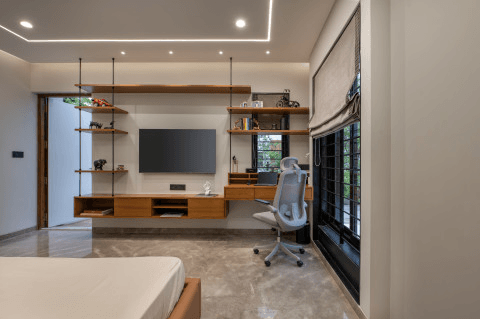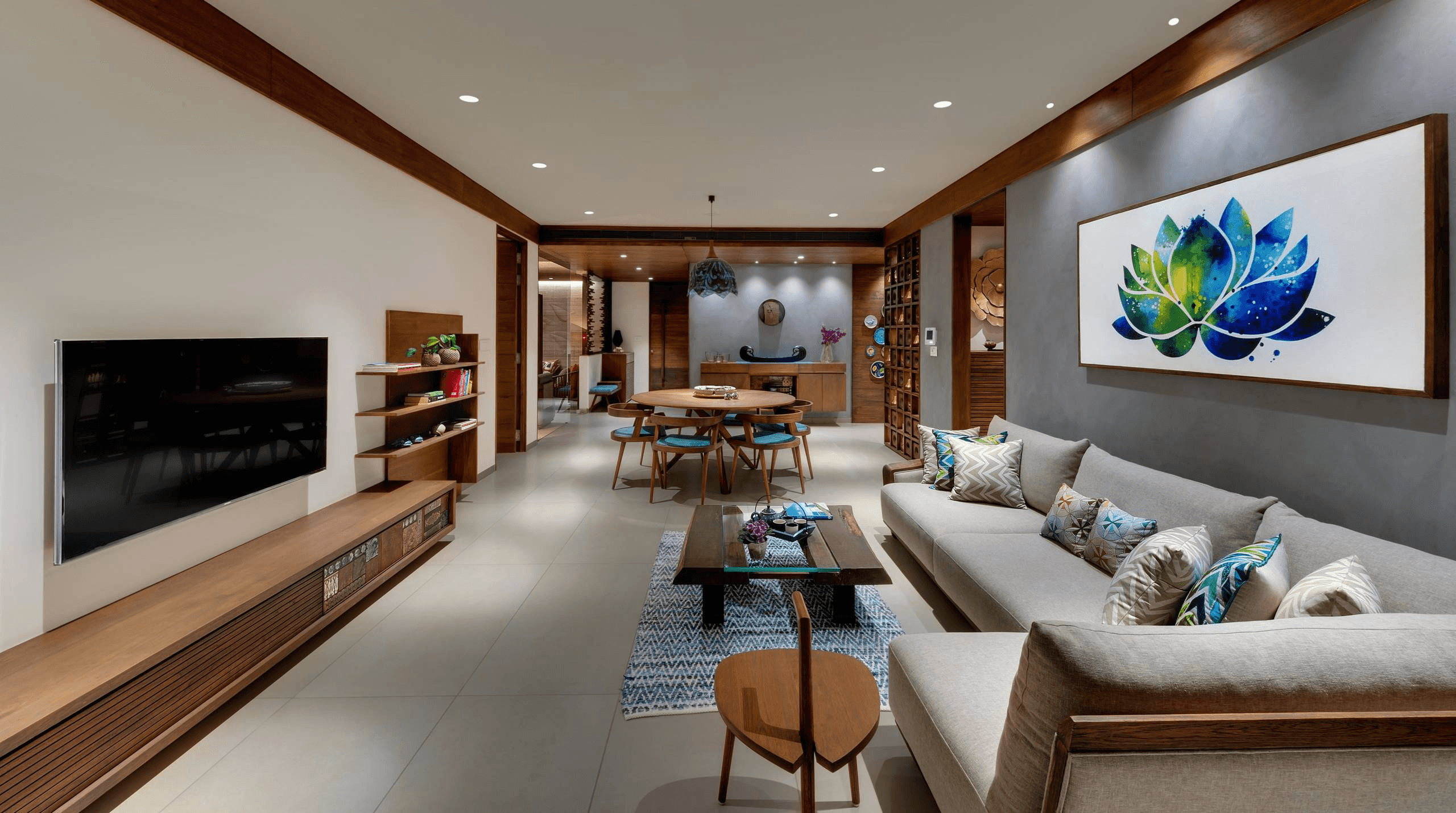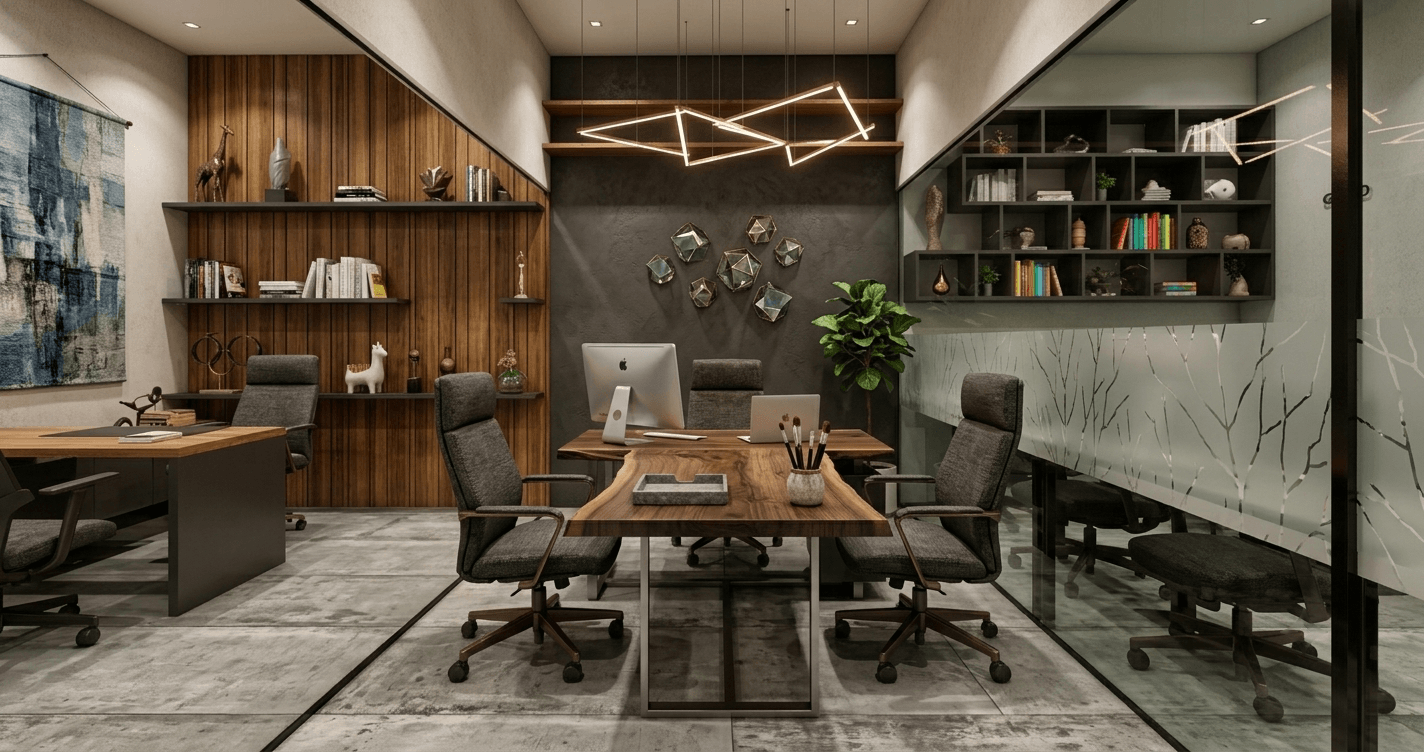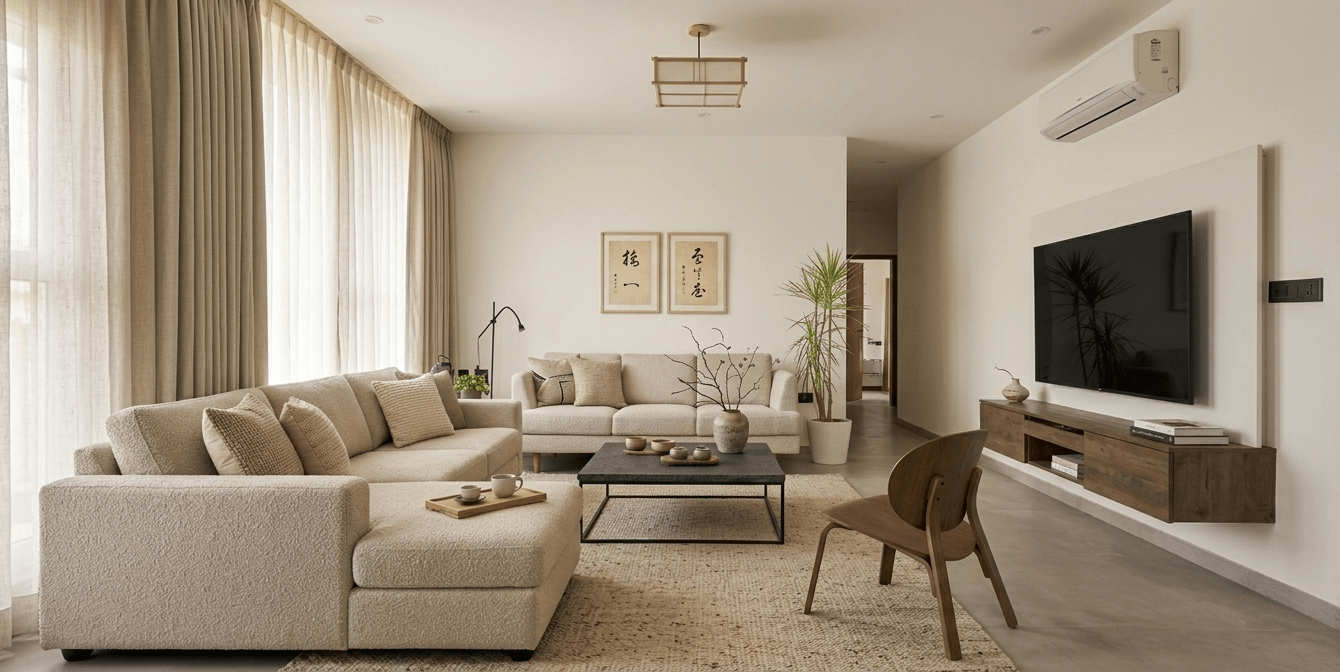
If you work from home, the direction of your home office can make a big difference to how comfortable, focused and productive your workspace feels. According to Vastu Shastra, the right direction for a home office can support concentration, career growth, financial stability and positive energy.
So, which direction is good for a home office?
As per commonly followed Vastu principles, North and East are considered the most favourable directions for facing while working from home. The North direction is associated with business, financial growth and opportunities, while East is traditionally associated with knowledge, clarity, creativity and new beginnings. The ideal location of the home office itself can vary, with North, East, West and Southwest being recommended in different Vastu approaches depending on the type of work and layout of the house.
For the best results, direction should be considered together with desk placement, seating position, natural light, storage, ventilation and overall home office interior design.
Quick Answer: Which Direction Is Best for a Home Office?
North or East is generally considered the best direction to face while working in a home office according to Vastu Shastra.
- North-facing while working: Suitable for business, finance, communication and career-related activities.
- East-facing while working: Considered favourable for concentration, learning, creativity and professional growth.
- West: Can work well for steady, results-oriented work and certain creative professions.
- South: May be suitable in specific professional situations, but North or East is generally preferred.
- Southwest: Often associated with stability and authority for the office room or desk placement, but it is usually not the first choice for the direction you face while working.
The most important distinction is that the direction of the home office room and the direction you face while sitting at your desk are not necessarily the same thing.
What Is the Best Direction for a Home Office as per Vastu?
There is no single rule that applies identically to every house. Vastu recommendations depend on the home’s layout, entrance, room position, profession and available space.
However, a practical Vastu-based approach is:
Home office location: North, East, West or Southwest can be considered depending on the layout.
Work desk facing direction: North or East is generally preferred.
Seating: Keep a solid wall behind your chair whenever possible.
Work area: Keep it clean, organised, well-lit and properly ventilated.
This approach combines traditional Vastu preferences with practical interior design principles.
1. North Direction – Good for Business and Financial Growth
The North direction is one of the most commonly recommended directions for a home office.
In Vastu tradition, North is associated with Kubera, the deity traditionally connected with wealth and prosperity. Because of this association, a north-facing work position is often recommended for people involved in:
- Business
- Finance
- Accounting
- Banking
- Sales
- Trading
- Entrepreneurship
- Consulting
- Business development
- Client management
If your work involves money, communication, networking or business decisions, facing North while working can be a preferred Vastu option.
North-facing home office tip
Keep the area in front of your desk relatively open and uncluttered. Avoid filling the workspace with unnecessary furniture that makes the room feel cramped.
2. East Direction – Best for Focus, Creativity and New Ideas
East is another highly recommended direction for a home office desk.
The East is traditionally associated with the rising sun and is often connected with knowledge, clarity, growth and fresh beginnings.
An East-facing work desk can be particularly suitable for:
- Designers
- Architects
- Writers
- Teachers
- Consultants
- Students
- Researchers
- Creative professionals
- Digital professionals
- People involved in learning and development
If your work requires creative thinking, concentration, writing or generating new ideas, an East-facing desk can be an excellent choice.
3. West Direction – Suitable for Stability and Creative Work
West is another direction that can work well for a home office depending on the profession and house layout.
Some Vastu approaches associate West with stability, completion and sustained results.
A West-side home office may work particularly well when you need:
- Long working hours
- Consistency
- Focus on projects
- Creative thinking
- Strategic planning
- Results-oriented work
If North or East is not practical in your home, West can be considered rather than forcing an impractical layout.
4. Southwest Direction – Good for Stability and Authority
The Southwest direction is often associated with stability, grounding and authority.
Some contemporary Vastu recommendations consider the Southwest a suitable location for an office room or for positioning the desk, while the person sitting at the desk faces North or East.
This creates an important distinction:
Your desk can be positioned in one part of the room while you face another direction.
For example, a desk positioned toward the Southwest portion of a room may allow you to sit facing North or East.
This can be useful when planning a dedicated home office without compromising the overall room layout.
5. Which Direction Should I Face While Working From Home?
This is one of the most searched questions about home office Vastu.
The preferred directions are:
1. East – for focus, creativity and learning
2. North – for business, career and financial activities
Many contemporary Vastu guides recommend facing either North or East while working, although exact recommendations differ between Vastu practitioners.
If you have the flexibility to choose, start with North or East and then optimise the desk position around natural light, ergonomics and the room’s usable space.
Best Home Office Directions Based on Your Profession
Your profession can also influence which direction you may prefer.
| Profession / Work Type | Preferred Direction |
|---|---|
| Business owner | North or East |
| Finance and accounting | North |
| Banking | North |
| Sales and marketing | North or East |
| Architecture and interior design | East or North |
| Writing and content creation | East |
| Teaching and education | East |
| Creative work | East or West |
| Consulting | North or East |
| Technology and digital work | North or East |
| Management | North or East |
| Research and learning | East |
| Client-facing work | North or East |
These are traditional Vastu-based preferences rather than scientifically established effects. Your actual productivity will also depend heavily on lighting, ergonomics, noise, temperature, privacy and the quality of your workspace.
Where Should You Place Your Work Desk at Home?
Choosing the right office table direction as per Vastu involves more than simply pointing the desk toward North or East.
Ideally, arrange your desk so that:
- You can comfortably face North or East.
- Your chair has solid support behind it.
- You are not sitting directly under a ceiling beam.
- Your workspace receives adequate natural or task lighting.
- The desk is not overloaded with unnecessary objects.
- The computer monitor is positioned at a comfortable eye level.
- There is enough space to move your chair freely.
- The door is preferably visible from your sitting position.
Several current Vastu guides also recommend avoiding a workspace where your back is directly toward a door or window and favour a solid wall behind the chair.
Which Direction Should Your Office Table Face?
If you are specifically searching for the best office table direction at home, the simplest Vastu answer is:
Face East for:
- Concentration
- Creativity
- Learning
- New ideas
- Knowledge-based work
Face North for:
- Business
- Finance
- Career growth
- Networking
- Professional opportunities
If both options are available, choose the direction that gives you the better combination of Vastu preference, natural light, comfortable seating and a functional room layout.
Is a North-Facing Home Office Good?
Yes. A North-facing home office is widely considered favourable in Vastu, particularly for business and financial activities.
North can be a strong choice for:
- Entrepreneurs
- Accountants
- Financial professionals
- Business consultants
- Sales professionals
- Traders
- Managers
- People working in business development
A North-oriented workspace can also be designed with practical storage and lighting without making the room feel heavy or cluttered.
Is an East-Facing Home Office Good?
Yes. East is considered one of the best directions for a home office, especially when your work involves knowledge, creativity, communication or learning.
If you are an architect, designer, writer, teacher, student or creative professional, an East-facing desk can be a particularly suitable Vastu choice.
Whenever possible, make use of natural daylight without allowing direct glare on your computer screen.
Is a South-Facing Home Office Bad?
Not necessarily.
A South-facing home office is not automatically bad. Vastu recommendations vary according to the type of work, room location and overall floor plan.
Some Vastu guidance considers South useful for professions that require authority, confidence and assertiveness, while other approaches favour North and East more strongly.
Therefore, do not make expensive structural changes simply because your existing office is South-facing.
Instead, consider whether your desk can be repositioned so that you face North or East while maintaining a comfortable and functional workspace.
Can a Home Office Be in the Bedroom?
Yes, especially in apartments where a separate office room is not available.
Many people working from home use:
- A bedroom corner
- A study nook
- A living room workstation
- A dining-area workspace
- A compact built-in desk
If your home office has to be in the bedroom, try to create a clear visual separation between work and rest.
You can use:
- A wooden partition
- Open shelving
- A glass divider
- A compact cabinet
- A curtain
- A wall-mounted desk
- A dedicated lighting system
From an interior design perspective, creating a defined work zone can help the room feel organised even when the office cannot have a separate room.
Best Direction for a Home Office Desk in a Small Apartment
Small apartments do not always allow you to follow every Vastu recommendation perfectly.
Instead of completely redesigning the house, prioritise the most important elements:
- Choose North or East as the preferred facing direction.
- Keep a solid wall behind your chair where possible.
- Avoid sitting with your back directly toward the entrance.
- Keep the desk clutter-free.
- Ensure sufficient natural and artificial lighting.
- Keep electrical equipment organised.
- Use vertical storage instead of occupying valuable floor space.
- Separate your work zone from your sleeping area.
- Maintain good ventilation.
- Prioritise comfortable ergonomics.
This is particularly important for modern Ahmedabad apartments, where available space may be limited and a dedicated office room is not always possible.
Home Office Vastu: Where Should You Keep Electronics?
A modern home office contains computers, monitors, printers, routers, chargers and other electronic equipment.
Some Vastu practitioners recommend placing electronic equipment toward the Southeast, traditionally associated with the fire element.
However, practical considerations should always come first.
Keep electronics:
- Away from water
- Properly ventilated
- Organised with cable management
- At safe electrical loads
- Away from direct sunlight
- Positioned ergonomically
Good interior planning should combine traditional preferences with safety and functionality.
Home Office Vastu Colours
Colour can influence how a workspace feels, even beyond Vastu considerations.
For a home office, consider:
Light Green
Creates a fresh and calming environment and can work well in creative spaces.
Light Blue
Can create a calm, clean and professional atmosphere.
White
Makes a small home office appear brighter and more spacious.
Light Yellow
Can add warmth and energy without overwhelming the room.
Avoid making the entire office extremely dark or visually cluttered. A neutral base with carefully selected accent colours usually works well for contemporary home office interiors.
Home Office Vastu Tips for Better Productivity
Follow these practical Vastu tips for home office when designing your workspace:
1. Face North or East
These are among the most commonly recommended directions for working.
2. Keep a Solid Wall Behind You
A solid wall can provide a stronger sense of support than sitting with an open space directly behind you.
3. Keep Your Desk Clutter-Free
An organised desk makes it easier to concentrate and find essential items.
4. Avoid Sitting Under a Beam
Many Vastu traditions advise against placing a work desk directly below a ceiling beam.
5. Use Natural Light
Natural daylight can make the workspace more comfortable and inviting.
6. Keep Good Ventilation
Fresh air and comfortable temperature are essential for long work sessions.
7. Organise Your Cables
Loose cables can make even an expensive home office look messy.
8. Avoid Excessive Furniture
A home office should have enough storage without feeling crowded.
9. Keep Important Documents Organised
Use closed cabinets or dedicated drawers for paperwork.
10. Create a Clear Work Zone
When working from the living room or bedroom, visually separate the office from the rest of the space.
What Should You Avoid in a Vastu Home Office?
If you want a more balanced and organised workspace, avoid:
- Sitting directly under a ceiling beam
- Sitting with your back directly toward the door
- Excessive clutter
- Broken electronics
- Poor ventilation
- Insufficient lighting
- An uncomfortable chair
- Excessively dark interiors
- Randomly placed wires and chargers
- Using the desk as a permanent storage area
- Allowing work materials to spread throughout the bedroom or living room
Some Vastu guides specifically recommend removing broken or unused electronic equipment and keeping the workspace organised.
Best Home Office Direction: Simple Vastu Layout
If you are designing a home office from scratch, a practical layout can look like this:
Desk: Southwest portion of the room where practical
Person sitting: Facing North or East
Chair: Solid wall behind
Storage: South or West side
Electronics: Southeast where practical
Natural light: Preferably from East or North
Workspace: Clean and uncluttered
Door: Ideally visible from the desk
This type of arrangement is commonly recommended in contemporary Vastu guidance, although specific traditions differ.
Frequently Asked Questions About Home Office Direction
Which direction is best for a home office?
North and East are generally considered the most favourable directions for facing while working from home according to Vastu Shastra. North is traditionally associated with business and financial activities, while East is associated with knowledge, creativity and clarity.
Which direction should I face while working from home?
According to commonly followed Vastu principles, face North or East while working from home. Choose North for business and financial activities and East for creative, learning and knowledge-based work.
Which direction is best for a work desk at home?
A work desk can be positioned so that you face North or East while working. Some Vastu approaches recommend positioning the desk in the Southwest portion of the room to create stability while allowing the person to face North or East.
Is North direction good for a home office?
Yes. North is traditionally considered favourable for business, finance, career opportunities and professional growth, making it a popular choice for a home office.
Is East direction good for a home office?
Yes. East is considered favourable for focus, creativity, learning, clarity and new ideas and is particularly suitable for knowledge-based and creative professions.
Which direction is bad for a home office?
There is no universal answer because Vastu recommendations differ by tradition and floor plan. Rather than labelling an entire direction as bad, prioritise a desk position where you can comfortably face North or East and maintain good lighting, ventilation and ergonomics.
Can I have a home office in the Southwest?
Yes. Some contemporary Vastu approaches consider Southwest suitable for an office room or desk placement because of its association with stability and authority. If your desk is positioned there, you can still arrange the chair so that you face North or East.
Which direction is best for a home office for business?
North is traditionally one of the preferred directions for business-related work, particularly finance, accounting, sales, consulting and entrepreneurship. East can also be favourable for business owners who require creativity, strategic thinking and new ideas.
Which direction is best for a home office for students?
East is commonly preferred for studying and knowledge-based activities, while North can also be considered for concentration and decision-making.
Which direction should my office table face as per Vastu?
For most home-office setups, facing North or East while sitting at the office table is a practical Vastu preference.
Final Verdict: Which Direction Is Good for a Home Office?
If you want the simplest answer, North or East is generally the best direction to face while working in a home office according to Vastu Shastra.
Choose North when your work is strongly connected with business, finance, sales, communication or career opportunities.
Choose East when your work involves creativity, learning, design, writing, research or strategic thinking.
For the office room itself, North, East, West and Southwest may all be workable depending on the home’s floor plan and the type of work. The best home office is therefore not simply about following one direction—it is about combining Vastu principles with practical interior design, ergonomics, natural light, storage, privacy and comfort.
If you are designing a Vastu-compliant home office in Ahmedabad, an experienced interior designer can help you integrate the preferred direction with your actual floor plan rather than forcing impractical changes.
For a professionally planned home office, focus on creating a workspace that is functional, comfortable, visually balanced and aligned with your personal Vastu preferences.