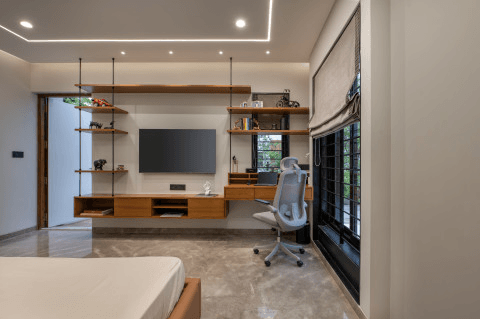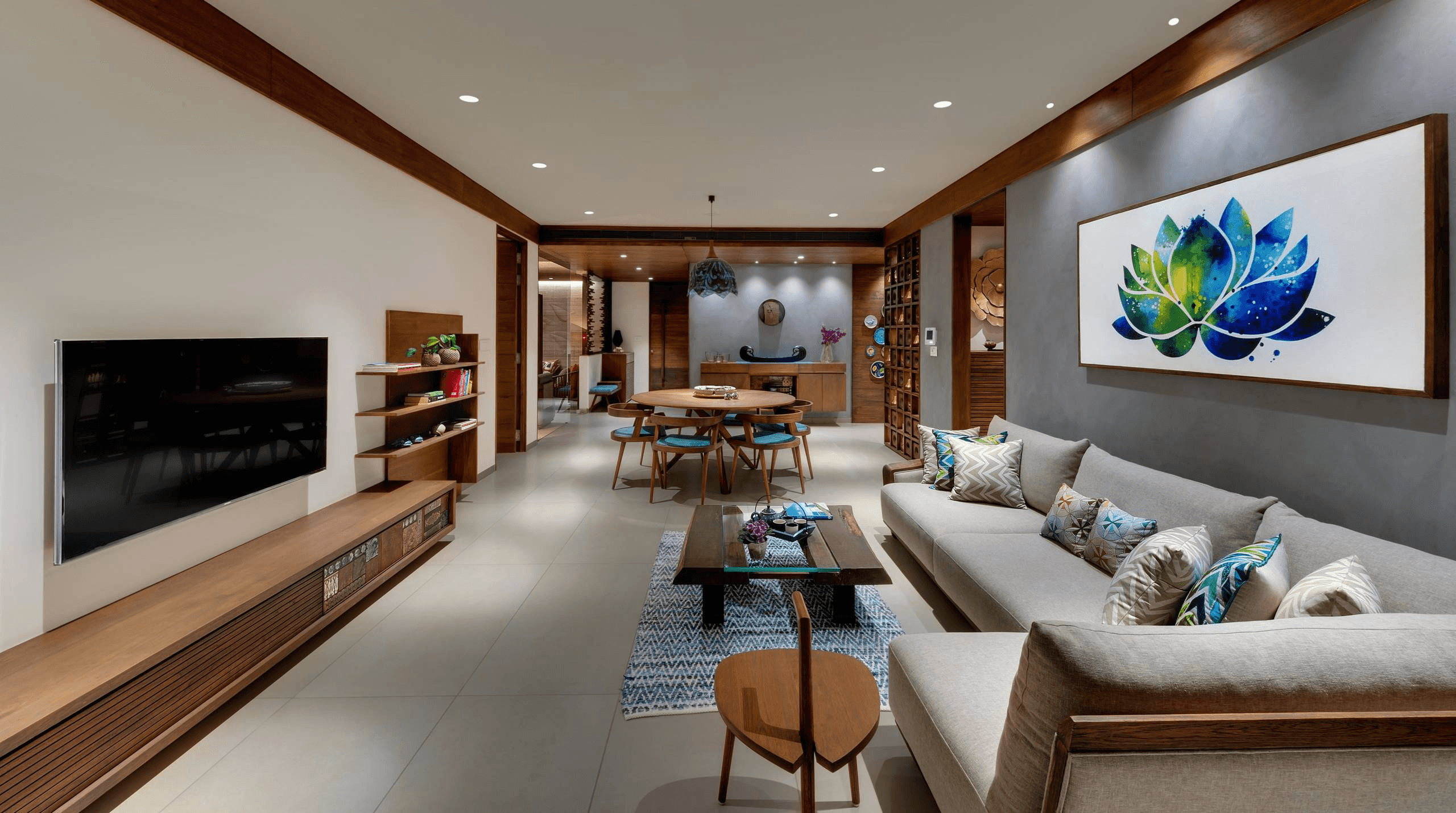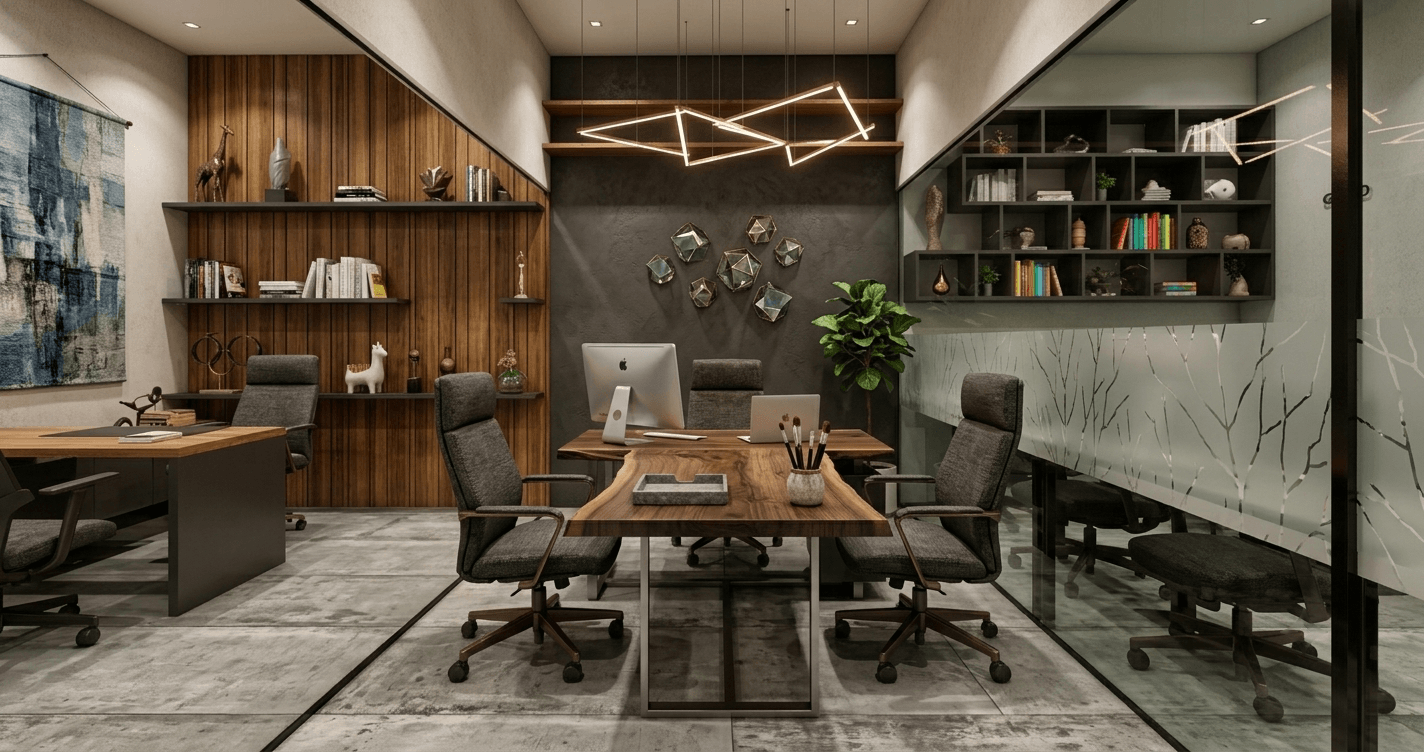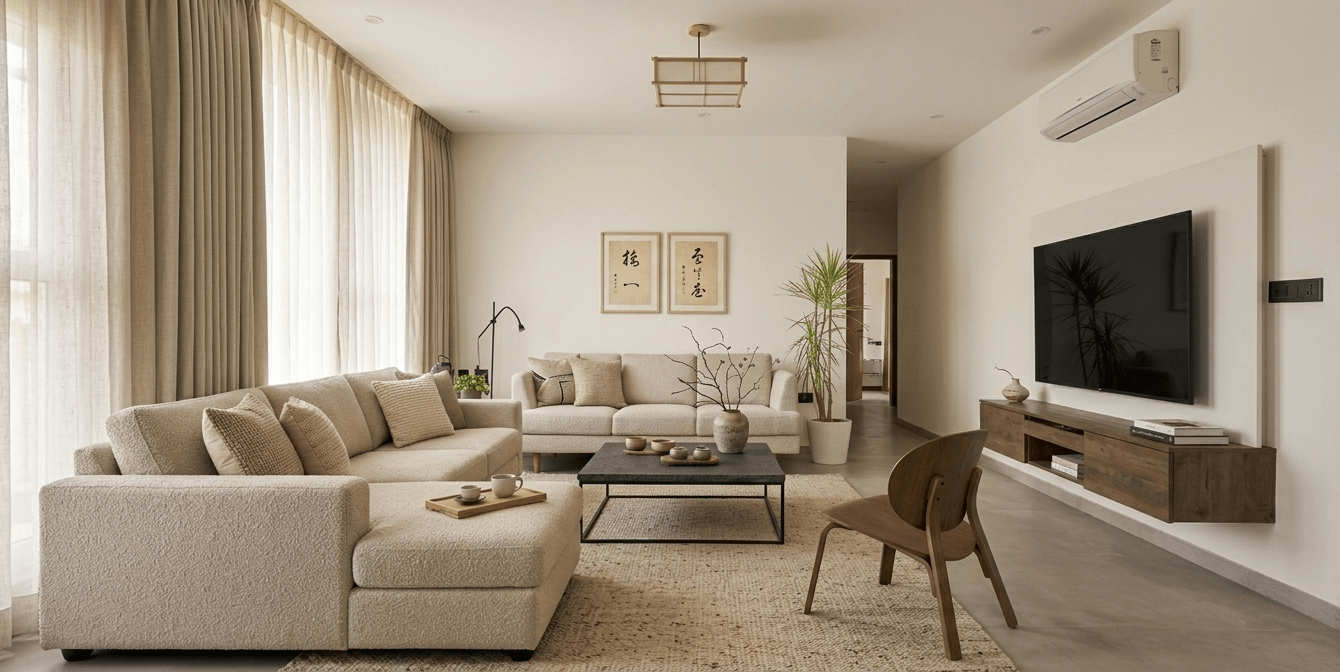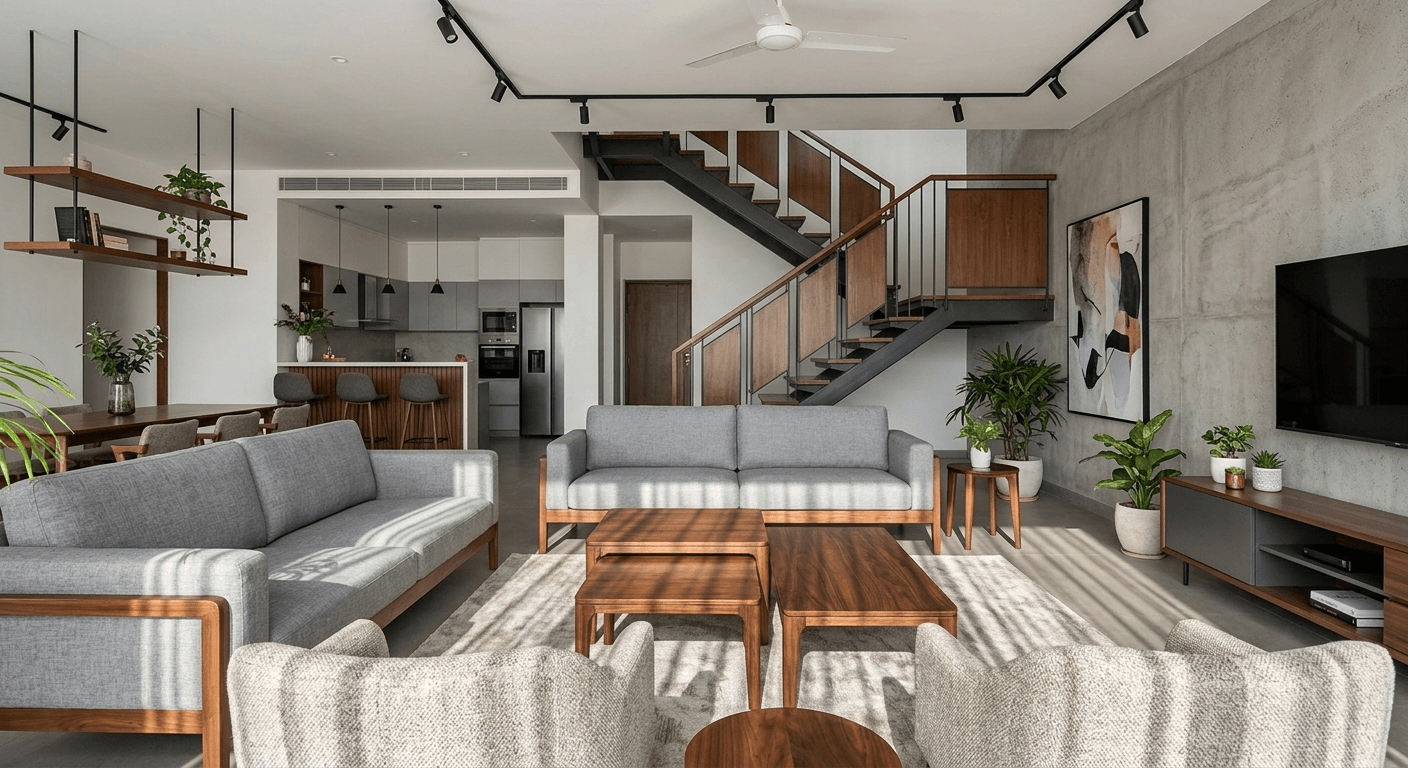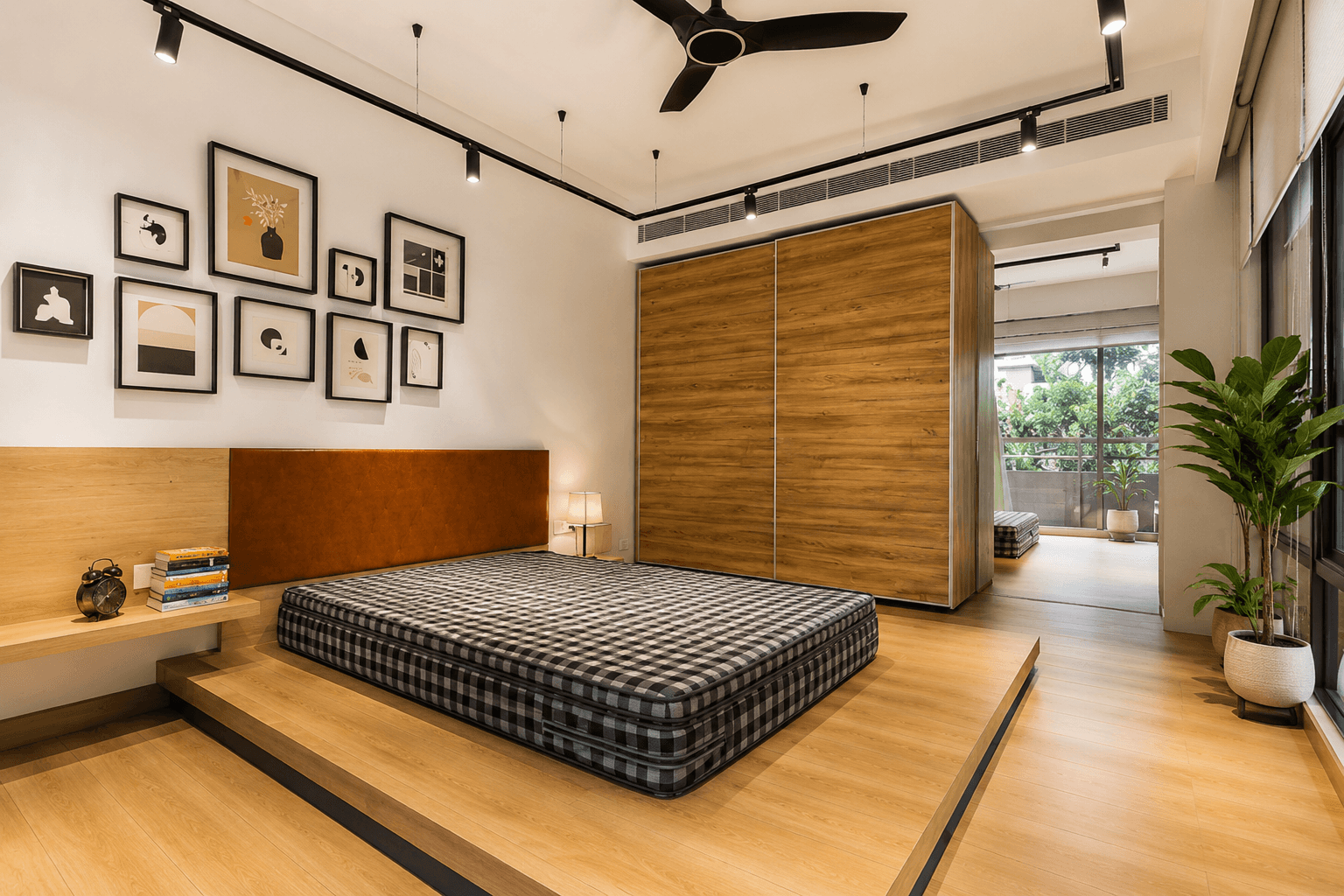
If you’ve scrolled through home design content lately, you’ve probably seen the word “Japandi” everywhere — low platform beds, warm wood tones, and rooms that feel calm instead of cluttered. Japandi interior design is one of the fastest-growing styles in home decor, and for good reason: it takes the best of two design philosophies and turns them into something livable, timeless, and Instagram-worthy without trying too hard.
In this guide, you’ll learn exactly what Japandi style is, where it came from, how it differs from pure Scandinavian or Japanese design, and how to bring it into your own home room by room.
What Is Japandi Style?
Japandi is an interior design and architecture style that blends Japanese aesthetics with Scandinavian design — mixing Japanese minimalism with Scandinavian simplicity. The word itself is a portmanteau of “Japan” and “Scandi,” and while the term only became popular around 2016, the underlying fusion has much deeper roots. Danish furniture makers were already drawing on Japanese joinery and craftsmanship techniques decades earlier, and both cultures independently arrived at strikingly similar values: natural materials, functional design, and a rejection of excess.
At its core, Japandi combines two philosophies:
- Wabi-sabi (Japanese) — finding beauty in imperfection, natural aging, and simplicity.
- Hygge (Scandinavian) — a sense of coziness, comfort, and contentment in everyday life.
The result is a style that’s minimal without feeling cold, and cozy without feeling cluttered. It’s often described as the calmer, more grounded alternative to maximalism, and it’s become especially popular in small apartments and studios where a curated, uncluttered look makes a space feel larger.
Japandi vs. Scandinavian vs. Japanese Design: What’s the Difference?
Since Japandi borrows from both cultures, it’s easy to confuse it with pure Scandi or Japanese interiors. Here’s how they compare:
| Feature | Japanese Design | Scandinavian Design | Japandi |
|---|---|---|---|
| Color palette | Darker, earthy, muted tones | Light, bright, airy whites | Balanced mix of light and dark neutrals |
| Furniture height | Low to the floor | Standard height | Low-profile, grounded furniture |
| Wood tones | Dark wood (walnut, cedar) | Light wood (pale oak, birch) | Combines both light and dark wood |
| Philosophy | Wabi-sabi (imperfection, calm) | Hygge (comfort, coziness) | A balance of both philosophies |
| Decor density | Very minimal, negative space | Cozy but simple | Curated — a few meaningful objects, not many |
| Materials | Natural, traditional (bamboo, paper, stone) | Contemporary, functional textiles | Natural fibers, handmade ceramics, linen, wood |
In short: Scandinavian interiors lean bright and airy, Japanese interiors lean dark and restrained, and Japandi interior design sits deliberately in the middle — combining structure with warmth.
The Core Principles of Japandi Interior Design
Whether you’re redesigning a single room or your whole home, every authentic Japandi space follows a few shared principles:
- Function over decoration. Every piece of furniture should earn its place. Multi-functional storage and quality-over-quantity furniture are staples of the style.
- Visible craftsmanship. Instead of hiding joinery or wood grain, Japandi celebrates it. Handmade, imperfect details are a feature, not a flaw.
- Negative space. Empty space isn’t wasted space — it’s part of the design, giving the eye room to rest.
- Natural materials only. Think wood, linen, stone, rattan, and unglazed ceramics. Glossy, synthetic, or chrome finishes break the mood.
- Warm, layered lighting. Ambient, task, and accent lighting — ideally warm white (around 2700K) — replace harsh overhead lighting.
Japandi Color Palette
A true Japandi color palette stays restrained and earthy. The goal is a base that recedes into the background so that furniture, texture, and craftsmanship carry the visual weight of the room.
Base neutrals (walls and large surfaces):
- Warm off-white or bone white
- Soft beige and sand
- Mushroom and greige
- Muted clay or terracotta
Accent tones (furniture, textiles, ceramics):
- Charcoal and soft black
- Deep forest green
- Rust or burnt orange
- Indigo blue (used sparingly)
Avoid primary colors, neon brights, cool grays, and high-gloss finishes — they clash with the grounded, organic feel that defines the Japandi aesthetic.
Key Materials in Japandi Design
Material choice is where Japandi interior design really comes to life. Common materials include:
- Wood: Walnut, smoked oak, white oak, ash, and bamboo — often two complementary tones combined (one light, one dark).
- Textiles: Raw linen, undyed cotton, boucle, wool, and washi paper.
- Accents: Black ironwork, unglazed stoneware, woven rattan and jute, river stone.
- What to avoid: Chrome, high-gloss laminate, plastic, and anything overly reflective.
A good rule of thumb: limit yourself to two wood species per room so the palette stays cohesive rather than busy.
Japandi Interior Design Ideas, Room by Room
Japandi Living Room
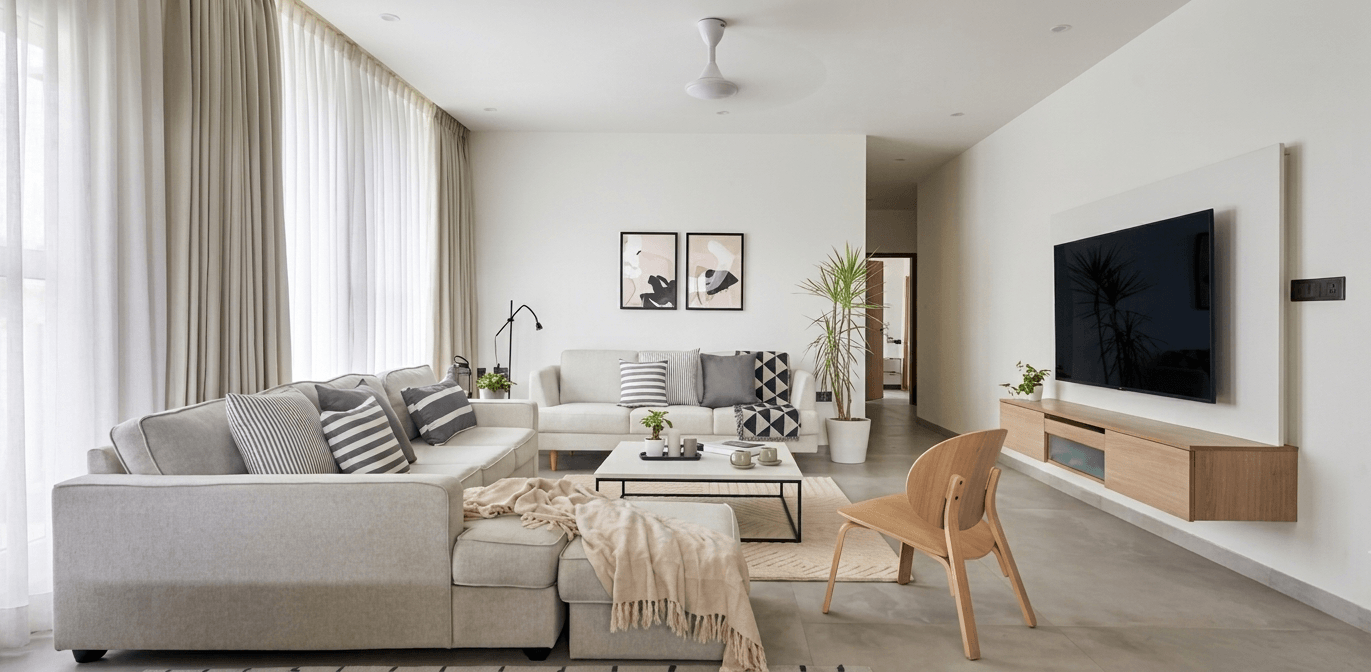
Anchor the room with a low-profile sofa in linen or boucle upholstery, paired with a solid wood coffee table with organic, rounded edges. Add a natural-fiber rug (seagrass or jute), a paper lantern-style floor lamp, and just one or two ceramic vases or a single ikebana-style flower arrangement. Resist the urge to over-accessorize — a Japandi living room should feel curated, not decorated.
Japandi Bedroom
The bedroom is where the “low and grounded” philosophy shows up most clearly. Choose a low platform bed frame in light or dark wood, dress it in raw linen bedding in oat, stone, or charcoal, and skip the tall, ornate headboard. Sliding shoji-inspired panels or simple woven blinds work well for window treatments, and nightstands should be simple and functional rather than decorative.
Japandi Kitchen
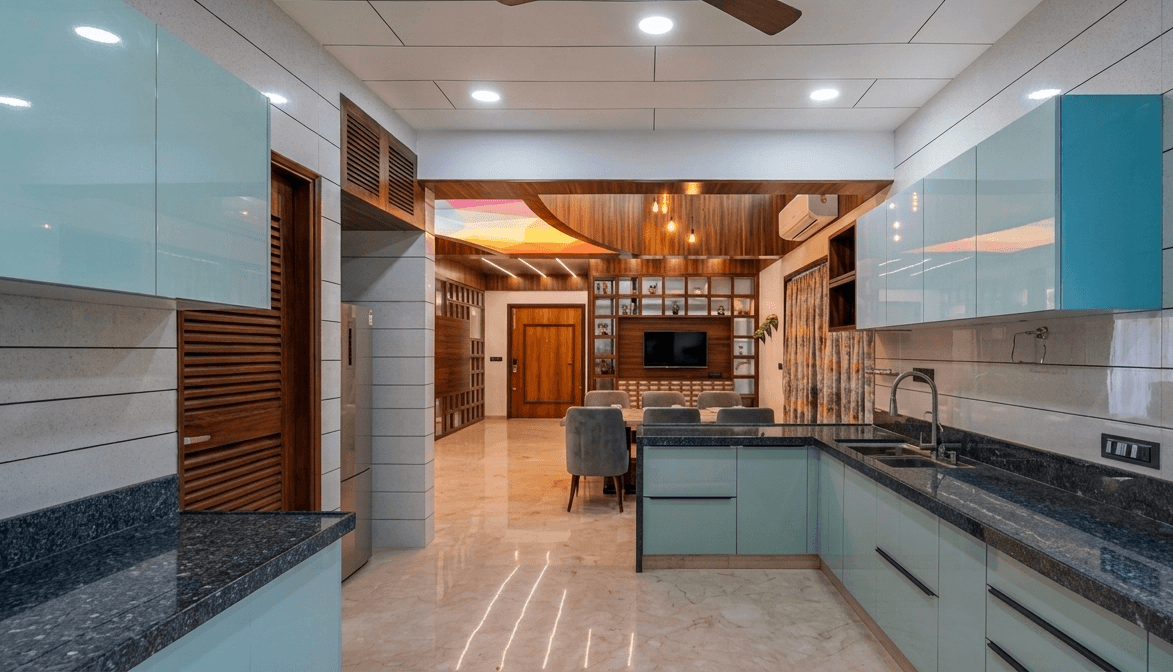
Japandi kitchens favor flat-panel cabinetry in warm wood tones or matte neutral finishes, paired with natural stone or matte countertops. Open shelving with a few handmade ceramic pieces adds warmth without clutter, and matte black hardware provides just enough contrast.
Japandi Bathroom
Think microcement or limewash walls, a wood-toned vanity, and natural stone or pebble accents. If space and budget allow, a wood soaking tub brings in a distinctly Japanese element. Keep countertops clear and stick to one or two functional, beautifully made accessories.
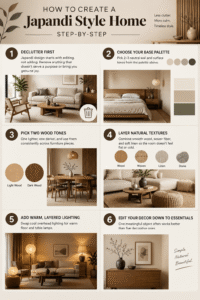
How to Create a Japandi Style Home: Step-by-Step?
- Declutter first. Japandi design starts with editing, not adding. Remove anything that doesn’t serve a purpose or bring you genuine joy.
- Choose your base palette. Pick 2–3 neutral wall and surface tones from the palette above.
- Pick two wood tones. One lighter, one darker, and use them consistently across furniture pieces.
- Layer natural textures. Combine smooth wood, woven fiber, and soft linen so the room doesn’t feel flat or cold.
- Add warm, layered lighting. Swap cool overhead lighting for warm floor and table lamps.
- Edit your decor down to essentials. One meaningful object often works better than five decorative ones.
Common Japandi Design Mistakes to Avoid
- Mixing too many wood tones — stick to two complementary species per room.
- Over-accessorizing — Japandi rooms should feel intentional, not collected.
- Skipping lighting layers — a single overhead light will make the space feel clinical instead of calm.
- Using glossy or synthetic finishes — they undercut the natural, handcrafted feel central to the style.
- Going too cold or too sparse — without Scandinavian warmth, minimalism can start to feel empty rather than serene.
Frequently Asked Questions About Japandi Interior Design
What is Japandi interior design in simple terms? Japandi interior design is a hybrid style that combines Japanese minimalism (clean lines, wabi-sabi, negative space) with Scandinavian hygge (warmth, comfort, natural light) to create calm, functional, and beautifully understated spaces.
Is Japandi still trending in 2026? Yes. Japandi remains one of the most searched interior design styles, largely because it offers a timeless alternative to fast-changing trends and works well in both small apartments and larger homes.
What’s the difference between Japandi and Scandinavian design? Scandinavian design leans lighter, brighter, and uses pale wood with white walls. Japandi is darker, lower to the ground, and mixes light and dark wood tones with a more restrained, earthy color palette.
What colors are used in Japandi design? A Japandi color palette centers on warm off-whites, beige, mushroom, and clay, balanced with darker accents like charcoal, deep green, or rust.
Is Japandi good for small spaces? Yes — the low furniture profile, limited object count, and unified neutral palette make small rooms feel calmer and visually larger.
What furniture defines the Japandi style? Low-profile platform beds and sofas, solid wood coffee tables with organic shapes, and multi-functional storage pieces made from natural materials.
Final Thoughts
Japandi interior design isn’t just a passing trend — it’s a philosophy about how to live with fewer, better things. By blending Japanese minimalism with Scandinavian warmth, it creates homes that feel calm, functional, and genuinely lived-in rather than staged. Whether you’re redoing one room or your entire home, start small: edit your space, choose a restrained palette, and let natural materials and craftsmanship do the rest.