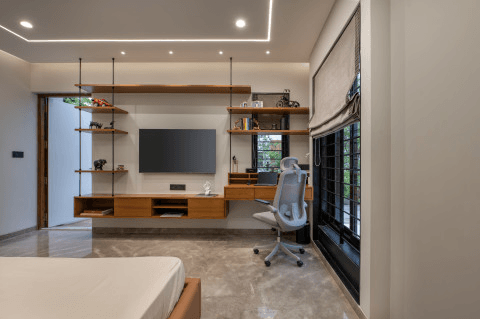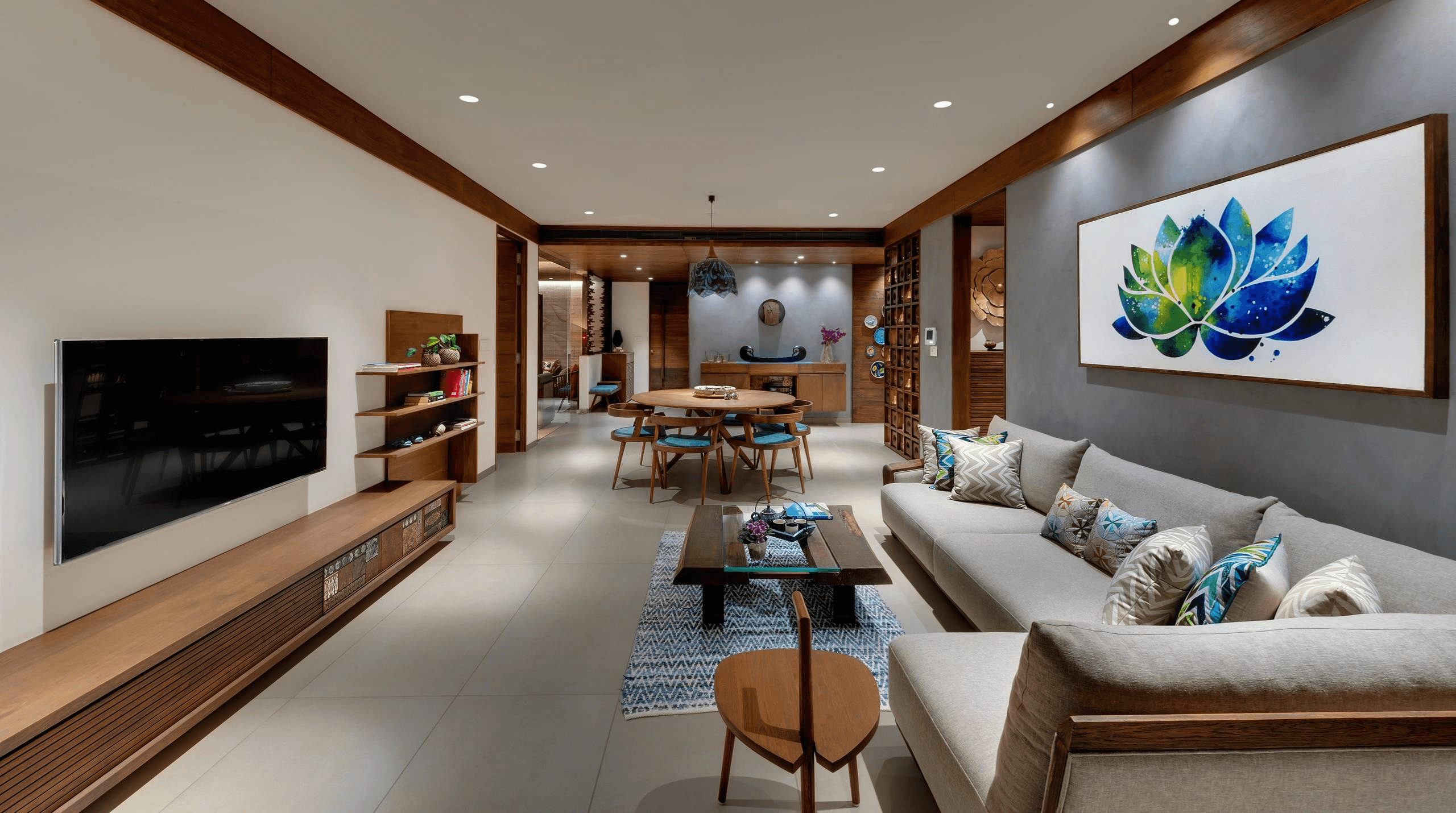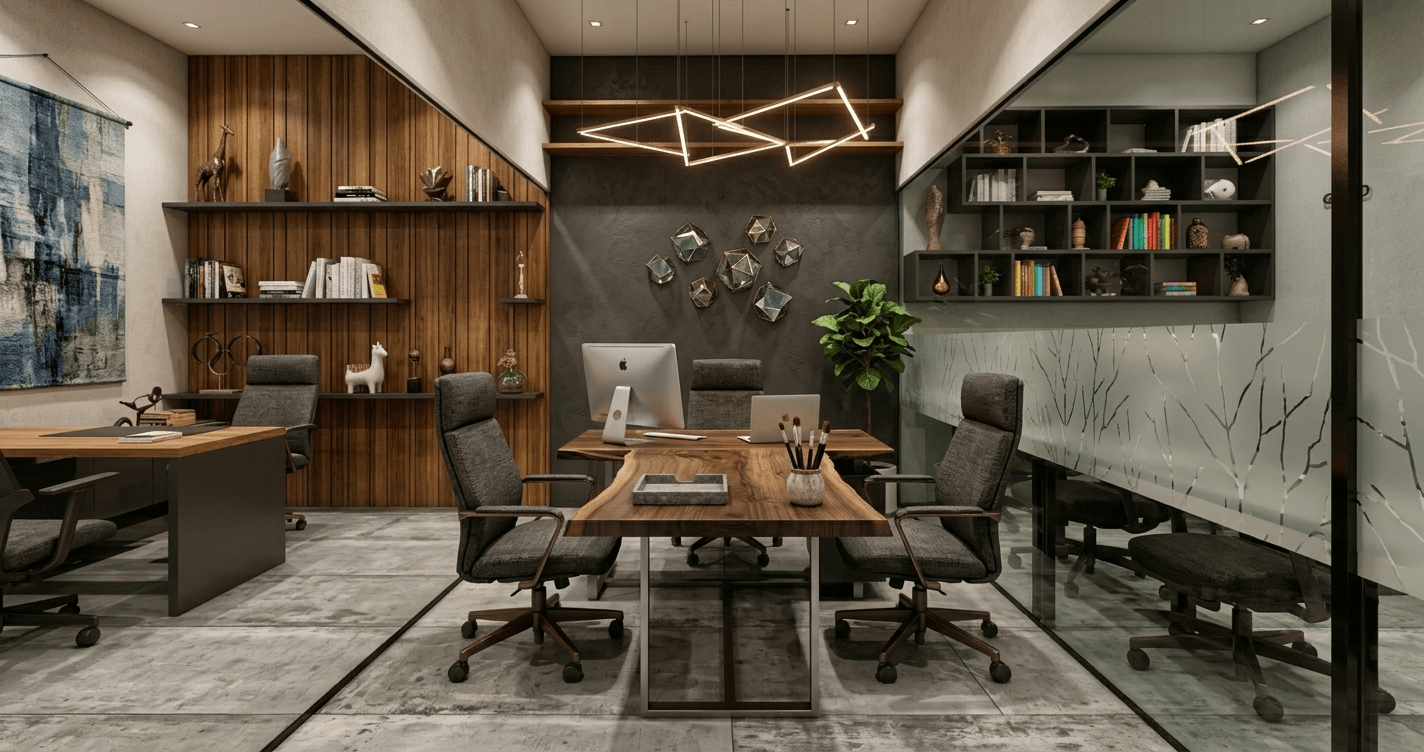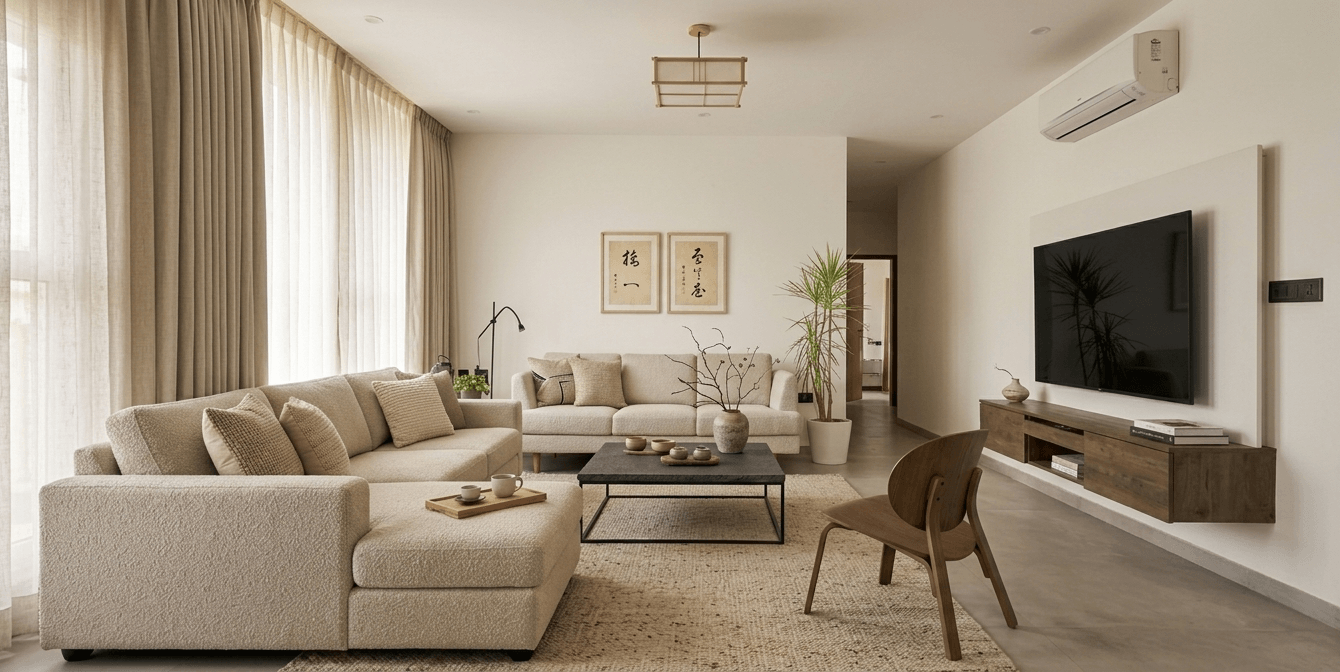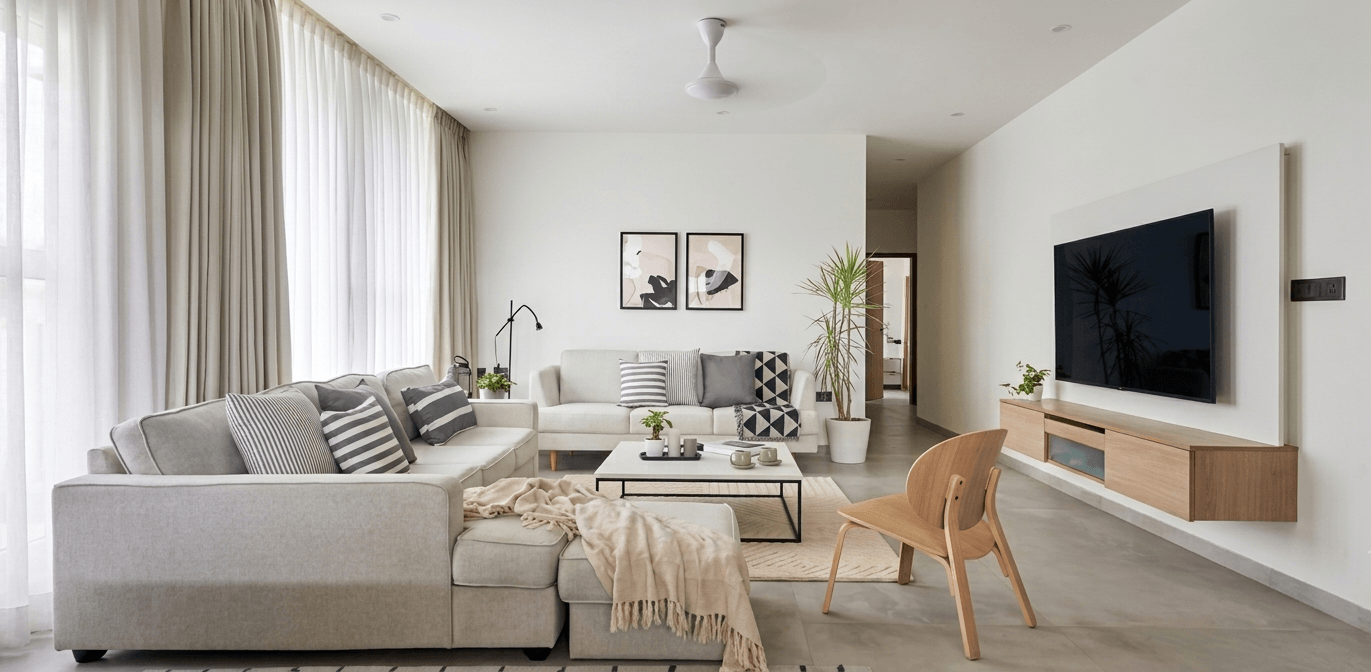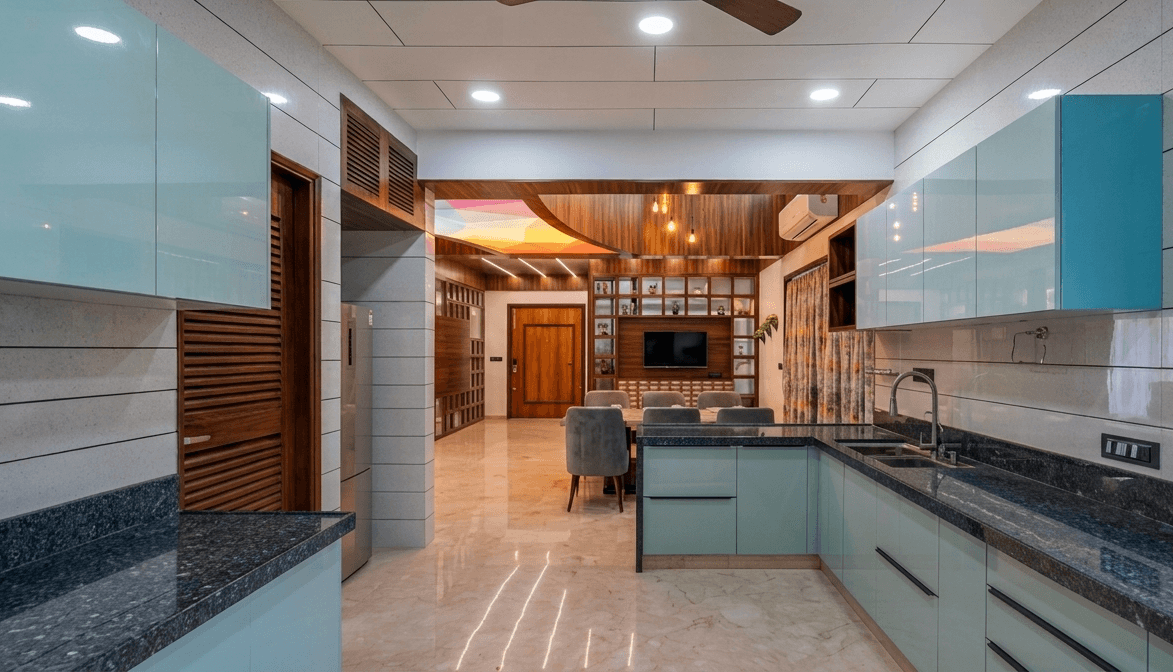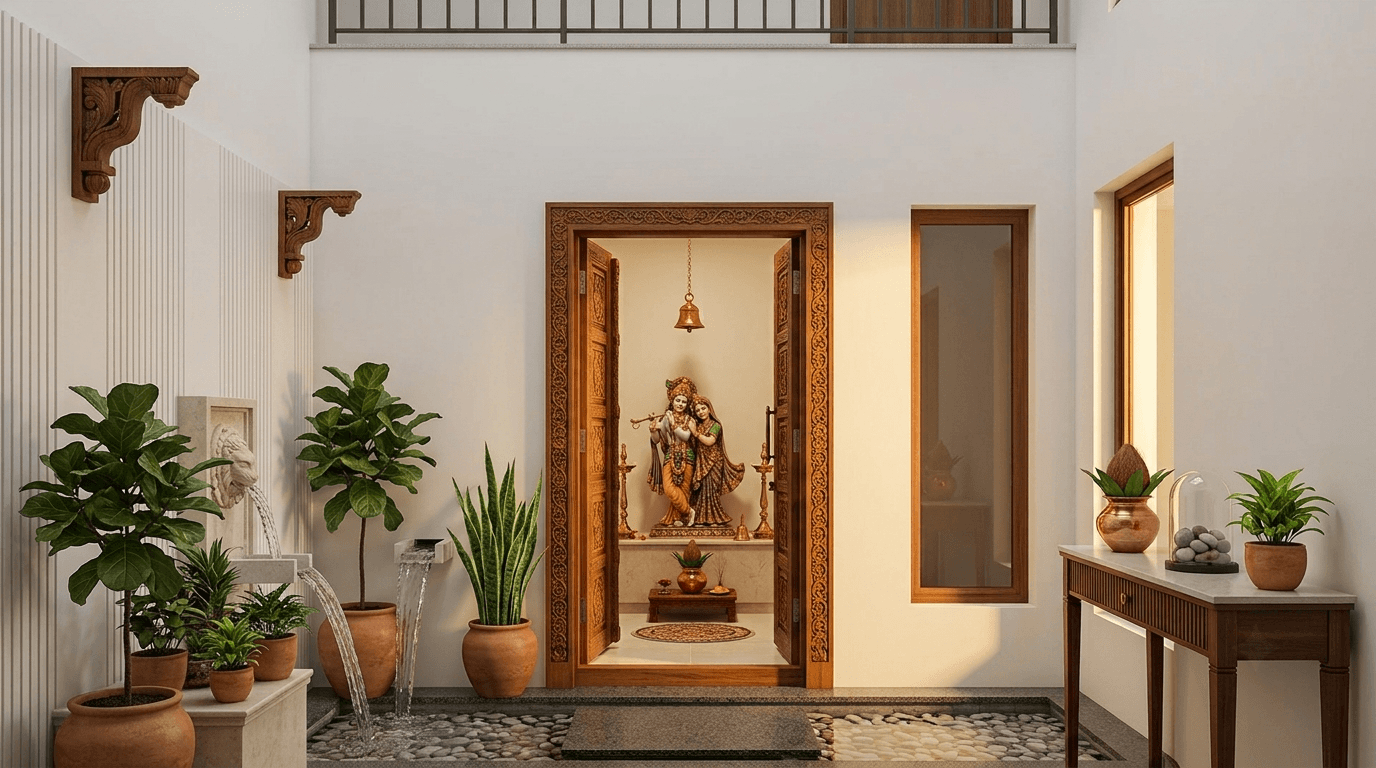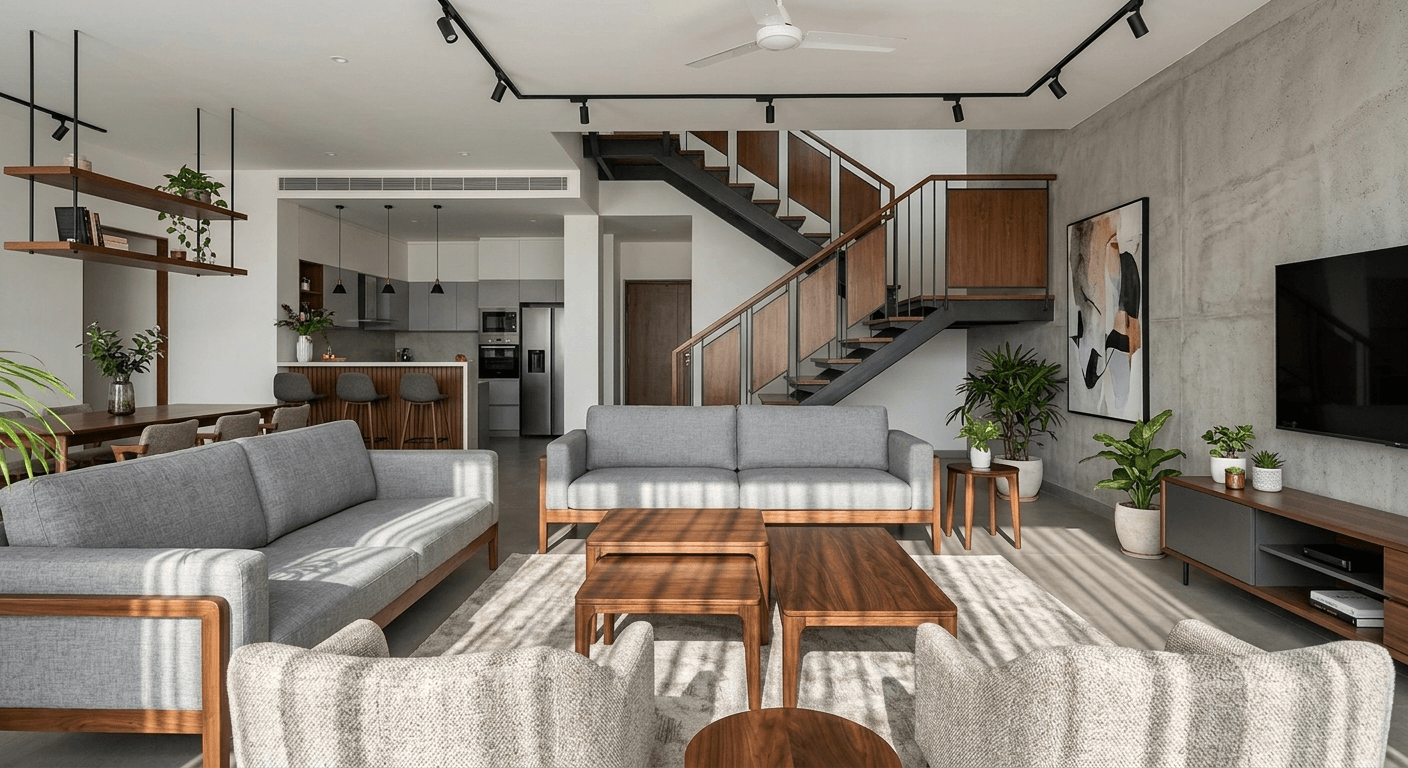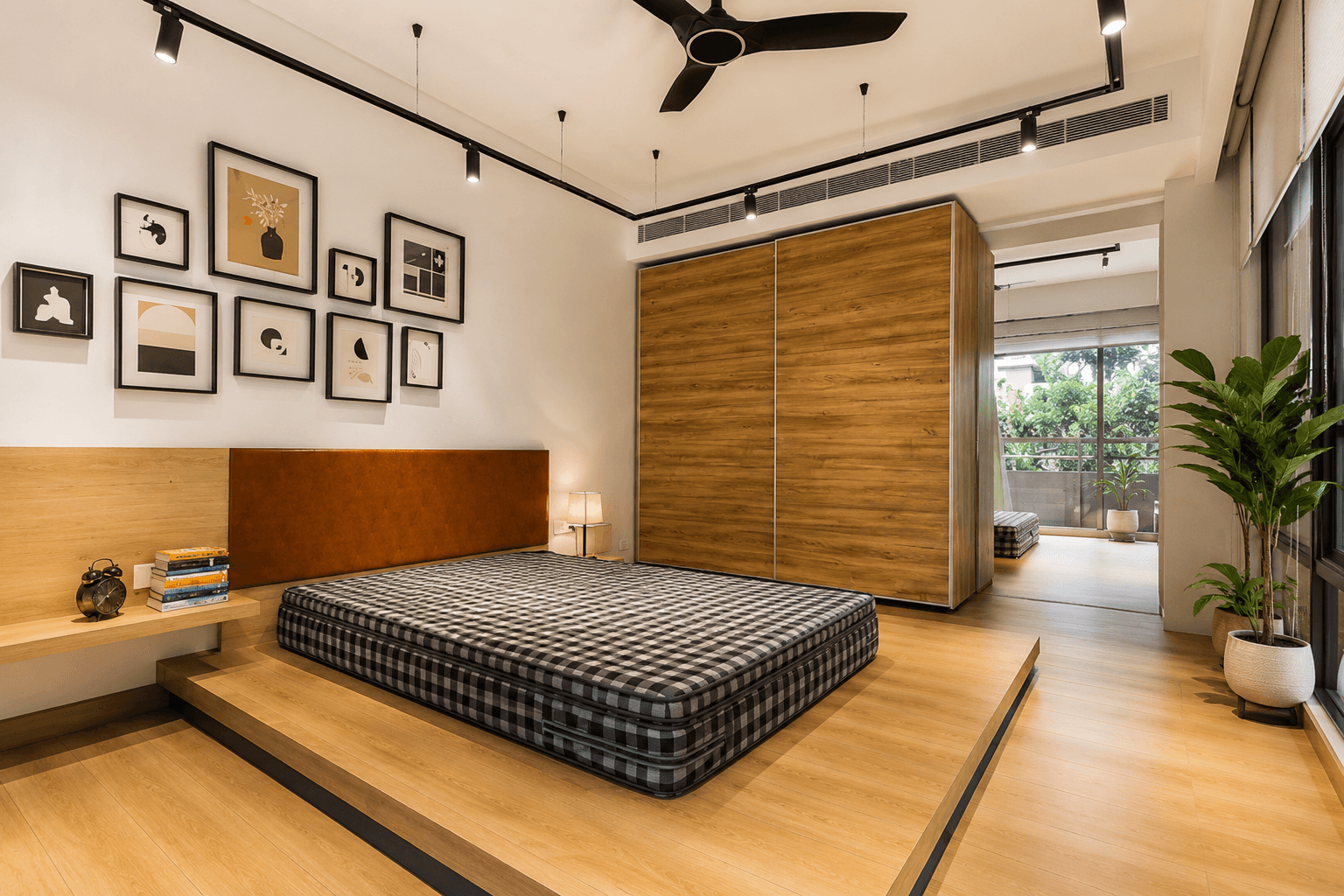
The living room is one of the most active spaces in a home. It is where family members spend time together, guests are welcomed, conversations happen, and daily activities often take place. According to Vastu Shastra, the placement of furniture, plants, mirrors, paintings, lighting and decorative objects can be planned to create a balanced and harmonious environment.
So, what should be kept in a living room as per Vastu?
According to commonly followed Vastu principles, a living room can include healthy green plants, peaceful paintings, appropriately placed mirrors, natural light, comfortable furniture, decorative objects with positive symbolism, and clean, uncluttered spaces. Heavy furniture is generally recommended toward the south or west, while lighter and more open areas can be maintained toward the north and east.
This guide explains the best Vastu items for a living room, where to place them, what to avoid, and how to create a Vastu-friendly living room without compromising on modern interior design.
What Are the Best Things to Keep in a Living Room as per Vastu?
Here is a quick list of commonly recommended Vastu items for the living room:
- Healthy indoor plants
- Vastu-friendly paintings and artwork
- A properly positioned mirror
- Natural light and good ventilation
- Comfortable and proportionate furniture
- Wooden or natural-material décor
- Fresh flowers
- Positive and peaceful decorative objects
- A clean and organized entertainment unit
- Soft, balanced colours
- A suitable floor rug or carpet
- Natural textures such as wood, cotton and linen
- A well-maintained aquarium, where appropriate
- Warm and adequate lighting
- Meaningful family photographs and happy memories
The most important principle is not simply adding as many Vastu items for home as possible. The living room should remain clean, spacious, well-lit and free from unnecessary clutter.
1. Keep Healthy Green Plants in the Living Room
Plants are among the easiest ways to bring a natural element into a living room.
According to commonly followed Vastu practices, healthy plants can be used as living room Vastu items because they introduce greenery and make the space feel fresh and welcoming. Some Vastu sources recommend greenery in living areas while discouraging thorny plants, dried flowers and dead vegetation.
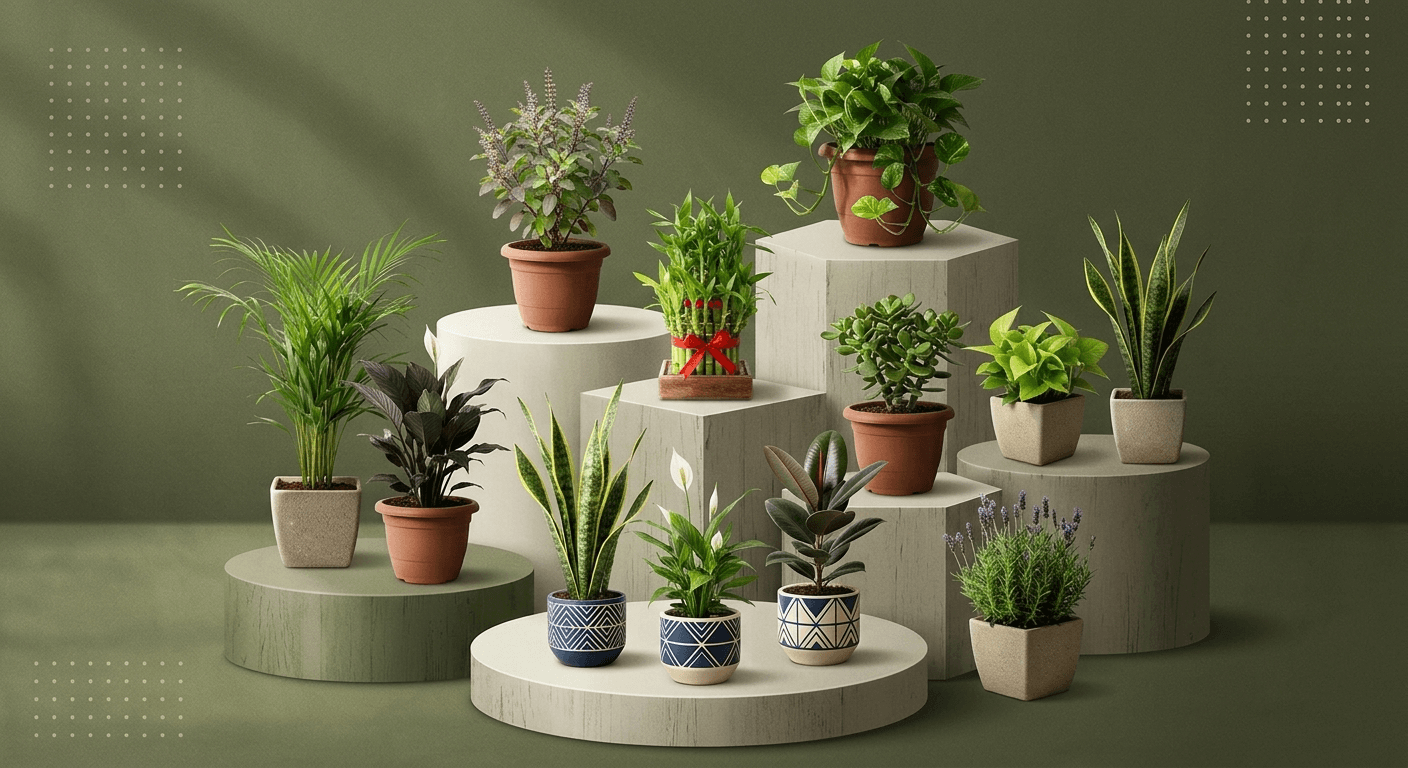
Plants you can consider:
- Money plant
- Areca palm
- Jade plant
- Lucky bamboo
- Peace lily
- Rubber plant
- Snake plant
- Tulsi, where suitable
- Other healthy, non-thorny indoor plants
What should you avoid?
Avoid keeping:
- Dead plants
- Dried plants
- Wilted flowers
- Thorny plants such as cactus
- Damaged or neglected planters
The key is plant health and cleanliness, rather than filling every corner with greenery.
2. Keep Peaceful Paintings and Positive Artwork
Artwork can completely change the atmosphere of a living room.
According to Vastu-oriented interior guidance, choose paintings that represent peace, nature, beauty, prosperity and happiness. Common examples include landscapes, flowers, sunrise scenes, flowing water and birds.
Vastu-friendly painting ideas for a living room:
- Sunrise paintings
- Green landscapes
- Flowers
- Birds
- Mountains
- Calm water scenes
- Nature-inspired artwork
- Family photographs showing happy moments
Paintings to avoid according to traditional Vastu guidance:
- War scenes
- Violence
- Destruction
- Natural disasters
- Sad or depressing imagery
- Paintings depicting poverty or suffering
The purpose is to create a visual environment that feels peaceful, positive and welcoming.
3. Use a Mirror in the Right Direction
A mirror is one of the most searched Vastu items for living rooms, but its placement matters.
Common Vastu guidance recommends placing mirrors on the north or east walls. A mirror can also help reflect natural light and visually make a smaller living room appear more spacious.
Mirror Vastu tips for living room:
- Prefer the north or east wall.
- Keep the mirror clean and undamaged.
- Let it reflect something visually pleasant.
- Avoid reflecting clutter.
- Avoid placing a mirror directly opposite the main entrance according to commonly followed Vastu guidance.
- Avoid keeping multiple mirrors facing each other.
A beautifully framed rectangular mirror can work particularly well in a modern living room while also serving a decorative purpose.
4. Bring in Plenty of Natural Light
Natural light is not technically a decorative object, but it is one of the most important elements of a Vastu-friendly living room.
Vastu-oriented design commonly emphasizes sunlight, openness and ventilation. Living rooms are often recommended in north, east, northeast or northwest areas depending on the home’s overall layout.
Where possible:
- Keep windows unobstructed.
- Use curtains that allow daylight during the day.
- Avoid unnecessarily dark corners.
- Keep windows clean.
- Use mirrors strategically to distribute daylight.
- Maintain good cross ventilation.
A bright living room generally feels more spacious and inviting regardless of whether you follow Vastu.
5. Place Heavy Furniture in the South or West
Furniture placement is an important part of living room Vastu.
Traditional guidance commonly recommends keeping heavier furniture such as sofas and storage units toward the south, west or southwest areas of the room, while maintaining lighter and more open areas toward the north and east.
Suitable heavy furniture includes:
- Large sofa
- TV storage unit
- Bookshelves
- Wooden cabinets
- Display units
- Heavy sideboards
This arrangement can also create a practical interior layout by keeping circulation areas open.
6. Choose a Comfortable Sofa with a Stable Arrangement
The sofa is usually the largest object in the living room, so its placement has a major impact on the overall layout.
For a Vastu-compliant living room, many traditional recommendations favour placing heavier seating toward the south or west side of the room.
Try to:
- Keep the sofa against a solid wall where practical.
- Avoid blocking doors and windows.
- Maintain comfortable walking space.
- Avoid overcrowding the room with oversized furniture.
- Keep the central portion of the room relatively open.
For modern interiors, Vastu principles can be integrated without sacrificing comfort or aesthetics.
7. Add Fresh Flowers
Fresh flowers can be a simple and attractive addition to your living room.
Instead of keeping artificial or dried flowers for long periods, consider using fresh flowers in clean vases.
Suitable options may include:
- Roses
- Jasmine
- Marigolds
- Orchids
- Lilies
- Seasonal flowers
The important consideration is to replace flowers once they wilt and keep the vase clean.
8. Use Natural Materials and Wooden Décor
Natural materials can make a living room feel warmer and more grounded.
Consider incorporating:
- Wooden furniture
- Cane
- Rattan
- Cotton
- Linen
- Natural stone
- Handmade décor
- Natural-fibre rugs
These materials also work particularly well with modern, minimalist, Japandi, Scandinavian and contemporary Indian interior styles.
9. Keep Positive Decorative Objects
Decorative objects should be selected thoughtfully rather than simply filling shelves.
Traditional Vastu-oriented décor may include objects associated with peace, prosperity, nature and happiness.
For example:
- Elegant brass décor
- Traditional Indian handicrafts
- Nature-inspired sculptures
- Peaceful figurines
- Decorative bowls
- Meaningful souvenirs
- Spiritual objects placed respectfully
The most important rule is to avoid creating visual clutter.
10. Keep Family Photographs Showing Happy Memories
Family photographs can make the living room feel personal and welcoming.
Choose photographs that represent:
- Family celebrations
- Happy occasions
- Travel memories
- Positive relationships
- Achievements
- Beautiful natural experiences
Avoid displaying photographs that constantly remind you of grief, conflict or unpleasant events if your goal is to maintain a peaceful visual environment.
11. Use Vastu-Friendly Colours
Colour is another important component of living room Vastu.
Light and soothing colours are commonly recommended for living areas. Depending on the room’s direction and overall design, designers may use shades such as:
- White
- Cream
- Beige
- Light yellow
- Soft green
- Light blue
- Pastel shades
Housing.com and Livspace both highlight lighter, neutral or soothing colour palettes for Vastu-oriented living room designs.
You don’t have to make the entire room one colour.
Instead, use Vastu-inspired colours through:
- Cushions
- Curtains
- Rugs
- Artwork
- Accent chairs
- Wall décor
- Decorative accessories
12. Keep a Clean and Clutter-Free Living Room
This may be one of the most practical Vastu tips for living room design.
Avoid allowing:
- Broken furniture
- Damaged décor
- Unused electronics
- Old newspapers
- Excessive storage
- Random boxes
- Dead plants
- Broken clocks
- Unused objects
to accumulate in the living room.
Traditional Vastu guidance emphasizes keeping the living area uncluttered and allowing space for movement.
A clutter-free room also makes the space easier to maintain and visually calmer.
13. Consider an Aquarium Carefully
A water element is sometimes incorporated into Vastu-oriented living room design.
Some traditional Vastu recommendations suggest placing an aquarium toward the north, east or northeast.
However, an aquarium should only be installed if you can properly maintain it.
Never keep:
- Dirty aquarium water
- Dead fish
- Neglected tanks
- Broken filtration equipment
A poorly maintained aquarium can become a hygiene and maintenance problem regardless of its Vastu significance.
14. Add a Beautiful Rug or Carpet
A rug can help visually anchor your seating area.
For a Vastu-inspired living room, choose a rug that complements the room’s colour palette rather than using excessively dark or visually aggressive patterns.
Good choices include:
- Beige
- Cream
- Light brown
- Soft green
- Muted blue
- Neutral geometric patterns
- Natural-fibre rugs
The rug should be proportional to the sofa and seating arrangement.
15. Use Warm and Balanced Lighting
Lighting is an essential part of living room design.
During the day, make maximum use of natural daylight. At night, combine different lighting sources instead of relying on one harsh ceiling light.
Consider:
- Ceiling lights
- Cove lighting
- Floor lamps
- Table lamps
- Wall lights
- Accent lighting
Warm, comfortable lighting can make the living room feel more relaxed and inviting.
What Should Not Be Kept in a Living Room as per Vastu?
If you are following traditional Vastu principles, some objects are commonly discouraged in the living room.
Avoid keeping:
- Dead or dying plants
- Dried flower arrangements
- Thorny plants such as cactus
- Broken decorative objects
- Damaged furniture
- Excessive clutter
- Artwork showing violence or destruction
- Depressing or disturbing imagery
- Unmaintained aquariums
- Too many unnecessary mirrors
Vastu-oriented sources particularly advise against dried flowers, cactus/thorny plants and artwork depicting destruction or sadness.
Which Direction Is Best for a Living Room as per Vastu?
According to commonly cited Vastu principles, north, east, northeast and northwest are often considered suitable directions for a living room, although the ideal placement depends on the overall house plan and entrance direction.
A simple reference:
| Living Room Element | Common Vastu Recommendation |
|---|---|
| Living room location | North, East, Northeast or Northwest |
| Heavy sofa | South, West or Southwest |
| Heavy storage | South or West |
| Mirror | North or East wall |
| TV/electronics | Southeast |
| Plants | Healthy green plants in suitable zones |
| Artwork | Nature, flowers, peaceful scenes |
| Colours | Light, neutral and soothing shades |
| Natural light | Keep the room bright and open |
| Clutter | Minimise it |
These are traditional Vastu recommendations, and individual layouts can require different solutions.
Where Should the Sofa Be Placed as per Vastu?
The sofa is generally recommended toward the south, west or southwest portion of the living room, particularly when it is the room’s heavier furniture.
Ideally:
- Keep the main sofa against a solid wall.
- Avoid blocking windows.
- Leave sufficient walking space.
- Keep the room’s central area relatively open.
- Position seating so the room feels comfortable and socially connected.
Where Should the TV Be Kept as per Vastu?
For a Vastu-oriented living room, the southeast zone is commonly recommended for the television or other electronic equipment.
If your existing electrical layout doesn’t allow this, don’t compromise safety or functionality simply to force a Vastu placement. A practical interior plan should account for electrical points, glare, viewing distance, ventilation and furniture circulation.
Which Plants Are Best for a Living Room as per Vastu?
Popular choices include:
- Money Plant
- Areca Palm
- Jade Plant
- Lucky Bamboo
- Peace Lily
- Rubber Plant
- Snake Plant
Choose healthy, living plants and maintain them properly.
If you’re specifically researching this topic, you can also read our detailed guide on which plants are best for home as per Vastu.
Which Paintings Are Good for a Living Room as per Vastu?
Nature-themed paintings are among the most commonly recommended choices.
You can consider:
- Sunrise
- Green landscapes
- Flowers
- Birds
- Calm water scenes
- Mountains
- Beautiful natural scenery
The underlying idea in traditional Vastu guidance is to choose imagery that creates a feeling of peace, beauty and positivity rather than conflict or destruction.
Can You Keep a Mirror in the Living Room as per Vastu?
Yes. A mirror can be used in the living room, but placement is considered important in Vastu.
The north or east walls are commonly recommended. The mirror should ideally reflect something pleasant rather than clutter, and many Vastu guides advise against placing it directly opposite the main entrance.
How to Make a Living Room Vastu-Friendly Without Renovating
You don’t necessarily need to redesign the entire living room.
You can start with simple changes:
Step 1: Remove clutter
Get rid of broken, unused and unnecessary objects.
Step 2: Improve natural light
Open curtains during the day and keep windows clean.
Step 3: Rearrange heavy furniture
Where practical, move heavy furniture toward the south or west.
Step 4: Add healthy greenery
Introduce one or two well-maintained indoor plants.
Step 5: Review your artwork
Replace disturbing or negative imagery with peaceful nature-inspired artwork.
Step 6: Check your mirror
If you use a mirror, review its wall position and what it reflects.
Step 7: Improve lighting
Add warm accent lighting to darker areas.
Step 8: Balance the décor
Don’t overcrowd shelves, tables or corners with too many objects.
10 Quick Vastu Tips for Living Room
If you need a simple checklist, follow these living room Vastu tips:
- Keep the living room bright and well ventilated.
- Prefer light and soothing colours.
- Place heavy furniture toward the south or west where practical.
- Keep the north and east areas relatively open.
- Use healthy green plants.
- Place mirrors thoughtfully, commonly on north or east walls.
- Choose peaceful and nature-inspired artwork.
- Avoid dried flowers and dead plants.
- Remove broken and unnecessary objects.
- Keep the entire living room clean and clutter-free.
What Is the Most Important Vastu Rule for a Living Room?
If you want to simplify everything into one principle, focus on balance, cleanliness, openness and thoughtful placement.
Rather than filling the living room with numerous so-called Vastu products, create a space that has:
Natural light + good ventilation + appropriate furniture placement + healthy plants + peaceful décor + minimal clutter.
These principles are repeatedly emphasized across Vastu-oriented living room guidance.
Frequently Asked Questions About Living Room Vastu
What should be kept in the living room as per Vastu?
According to traditional Vastu principles, you can keep healthy indoor plants, peaceful paintings, appropriately positioned mirrors, natural materials, fresh flowers, comfortable furniture and positive decorative objects in the living room. The space should remain bright, clean and clutter-free.
Which plant is good for the living room according to Vastu?
Commonly recommended options include money plant, jade plant, lucky bamboo, areca palm, peace lily, rubber plant and snake plant. Healthy plants are generally preferred over dried, dead or thorny plants.
Which direction is best for the living room as per Vastu?
North, east, northeast and northwest are commonly considered suitable directions for a living room, depending on the overall layout of the home.
Where should the sofa be placed as per Vastu?
Heavy sofas are commonly recommended toward the south, west or southwest side of the living room, while maintaining comfortable movement and an uncluttered centre.
Which direction should a mirror face in the living room?
Vastu guidance commonly recommends the north or east wall for a living room mirror. Avoid using a mirror in a way that directly reflects the main entrance or clutter.
Which painting is good for a living room as per Vastu?
Paintings showing nature, flowers, sunrise, peaceful landscapes, birds and calm water scenes are commonly recommended. Avoid imagery depicting violence, destruction or sadness.
Can we keep a TV in the living room as per Vastu?
Yes. Traditional Vastu guidance commonly recommends placing televisions and other electronics in the southeast area of the living room.
Is a money plant good for the living room as per Vastu?
Money plants are widely used as a Vastu-inspired indoor plant. The plant should be healthy and properly maintained rather than allowed to become dry or damaged.
Can I keep an aquarium in the living room as per Vastu?
Some Vastu recommendations suggest keeping an aquarium in the north, east or northeast area. However, the aquarium should only be used if it can be maintained hygienically and responsibly.
What should not be kept in the living room according to Vastu?
Commonly discouraged items include dead plants, dried flowers, thorny plants, broken objects, excessive clutter and artwork depicting violence, destruction or sadness.
Final Thoughts
A Vastu-friendly living room doesn’t have to look traditional or outdated. You can combine Vastu principles with contemporary interior design by using clean layouts, natural materials, elegant furniture, indoor plants, carefully selected artwork, balanced lighting and a clutter-free floor plan.
The goal should be to create a living room that feels bright, comfortable, welcoming and visually balanced.
If you’re designing a new home or renovating your existing living room, Vastu can be considered alongside practical requirements such as room dimensions, furniture circulation, natural light, electrical planning, storage, ventilation and your family’s lifestyle.
For an Ahmedabad home, these principles can also be adapted to modern apartments, 3BHK homes, villas and bungalows without compromising the overall interior design.