A well-planned office should be more than visually appealing. It should provide a comfortable environment for focused work, effective communication and smooth day-to-day operations. According to Vastu Shastra, the traditional Indian system of architectural planning, the direction, placement and layout of different office elements can be arranged to create a balanced working environment.
If you are wondering how to improve office Vastu, you do not necessarily need to renovate the entire workplace. Simple changes such as repositioning the work desk, keeping the entrance clutter-free, improving natural light, choosing suitable colours and organizing important areas according to traditional Vastu principles can make a noticeable difference to the overall layout.
In this guide, we cover practical office Vastu tips, including office entrance Vastu, desk direction, cabin placement, reception Vastu, meeting room Vastu, colour selection, furniture placement and Vastu remedies for an existing office.
What Is Office Vastu?
Office Vastu refers to applying the principles of Vastu Shastra to the planning and arrangement of a commercial workspace. It traditionally considers directions, entrances, room locations, furniture placement, natural elements, colours and spatial balance.
The objective is to create an office layout that feels organized, comfortable and harmonious while supporting the practical requirements of the business.
For businesses planning a new workspace, Vastu can be considered during the initial office interior design and space-planning stage. For an existing office, several principles can be incorporated without major structural changes.
How to Improve Office Vastu?
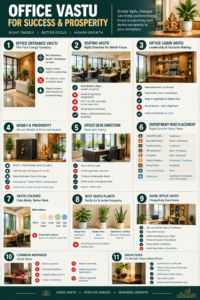
The easiest way to improve office Vastu is to focus on the areas that have the greatest influence on everyday office use: entrance, workstations, cabins, reception, meeting rooms, storage, lighting and cleanliness.
Here are 15 practical office Vastu tips to consider.
1. Keep the Office Entrance Clean and Unobstructed
The entrance is one of the most important areas in traditional office Vastu.
Keep the main entrance:
- Clean and well maintained
- Free from unnecessary furniture and clutter
- Properly illuminated
- Easy to access
- Free from damaged or broken objects
- Clearly identifiable to visitors
Avoid using the entrance as a storage area for cartons, files, equipment or unused furniture.
A clean entrance also has an obvious practical advantage: it creates a more organized first impression for employees, clients and visitors.
2. Choose the Right Direction for the Office Entrance
According to traditional Vastu principles, north, east and northeast are commonly considered favourable directions for an office entrance.
However, the ideal entrance depends on the overall building orientation, floor plan and location of other rooms.
Rather than changing an existing entrance simply because it faces another direction, consider the complete office layout.
For a new commercial property, an interior designer or Vastu consultant can review the office floor plan and entrance direction before construction or interior work begins.
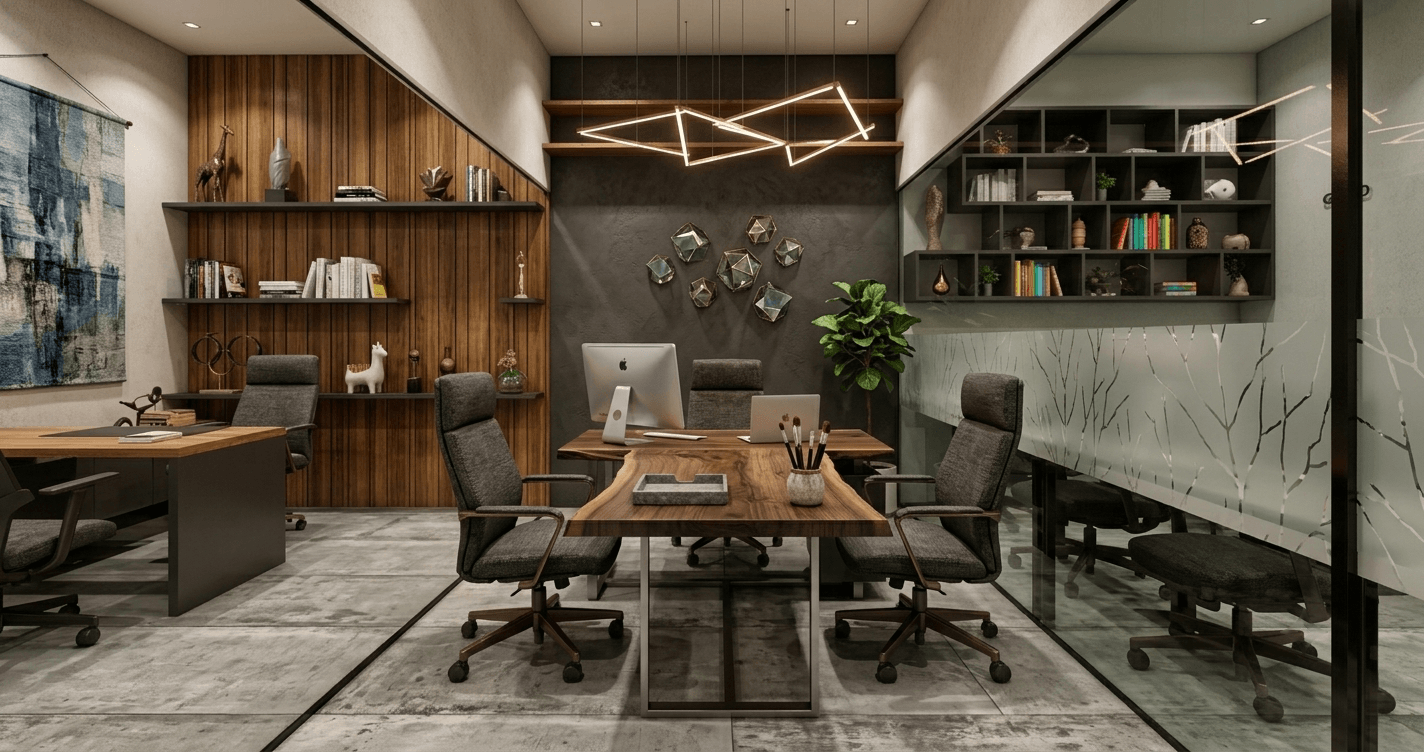
3. Place the Owner or Senior Management Desk Carefully
The position of the business owner or senior management workstation is an important part of office Vastu.
Traditional Vastu guidance commonly recommends positioning the owner’s cabin toward the southwest, west or south portion of the office, depending on the overall layout.
The person occupying the cabin should ideally sit in a position where:
- The back is supported by a solid wall
- The entrance is visible from the desk
- There is sufficient space behind the chair
- The desk is not directly obstructing the doorway
- Natural light can be used effectively
A solid wall behind the chair is also a practical office-design principle because it provides a sense of enclosure and stability.
4. Follow the Right Office Desk Direction
Which direction should I face while working in an office? is one of the most common office Vastu questions.
According to traditional Vastu guidance:
- North-facing work positions are often associated with financial and career-related activities.
- East-facing positions are traditionally preferred for focus, learning and new opportunities.
- West-facing positions can be considered depending on the employee’s role and office layout.
- South-facing seating should be planned carefully according to the overall arrangement.
For most offices, the practical goal should be to provide employees with comfortable workstations, adequate circulation space, good lighting and minimal visual distractions.
5. Avoid Sitting Directly Under a Beam
Traditional Vastu recommends avoiding a workstation directly underneath a prominent ceiling beam.
From an interior-design perspective, exposed beams can also visually dominate a workspace and create a cramped appearance.
If relocating the desk is not possible, consider an appropriate false ceiling design to visually integrate the beam with the ceiling.
This can improve the appearance of the workspace without requiring major structural changes.
6. Keep the Northeast Area Light and Open
The northeast direction has special importance in traditional Vastu.
A commonly followed office Vastu principle is to keep this zone:
- Clean
- Open
- Bright
- Less cluttered
- Free from heavy storage
Avoid filling the northeast with large cabinets, bulky furniture or unnecessary equipment when the office layout allows flexibility.
For an existing office, simply decluttering this area can be an easy starting point.
7. Place Heavy Storage in Suitable Areas
Large storage cabinets, records, safes and heavy furniture can make an office feel crowded if they are distributed randomly.
Traditional Vastu commonly recommends placing heavier storage toward the southwest, south or west areas.
Where possible:
- Keep heavy cabinets against walls
- Avoid blocking windows
- Maintain comfortable walking space
- Keep frequently accessed files easily reachable
- Avoid creating narrow circulation paths
Good office storage planning improves both Vastu-oriented organization and everyday productivity.
8. Improve Natural Light and Ventilation
Natural light is important in any modern office.
According to traditional Vastu principles, east and north are particularly valued for natural light. From a practical design perspective, daylight can also make a workplace feel more open and comfortable.
Improve the office environment by using:
- Large windows where feasible
- Light-filtering blinds
- Glass partitions
- Appropriate task lighting
- Energy-efficient ceiling lights
- Good cross ventilation
Avoid creating dark corners filled with unused furniture or storage.
9. Use Office Colours According to Vastu
Colour is another commonly discussed aspect of Vastu for office interiors.
Light and balanced shades can help create a professional atmosphere.
Commonly considered office-friendly Vastu colours include:
- White
- Cream
- Beige
- Light yellow
- Soft green
- Light blue
For a professional office, use stronger colours strategically rather than covering every wall with intense shades.
The final colour palette should also consider the brand identity, type of business, natural light and size of the workspace.
10. Plan the Reception Area Carefully
The reception area creates the first impression of an office.
For reception Vastu, traditional guidance often considers the northeast, east or north zones depending on the complete office plan.
The reception should ideally have:
- A clean reception desk
- Clear visitor circulation
- Comfortable seating
- Adequate lighting
- Professional branding
- Minimal clutter
- Easy access to meeting areas
Do not overcrowd the reception with decorative objects simply for the sake of following Vastu.
11. Plan the Conference and Meeting Room Properly
Meeting rooms should be comfortable, private and easy to access.
Traditional office Vastu recommendations often consider the west, northwest or southwest zones for meeting-related spaces, depending on the office layout.
For the conference table:
- Provide sufficient walking space around it.
- Avoid positioning chairs directly against doors.
- Ensure participants have adequate lighting.
- Keep screens and presentation equipment easily visible.
- Avoid unnecessary furniture inside the room.
Good meeting-room planning should combine Vastu considerations with acoustics, privacy and functionality.
12. Keep the Northwest Area Organized
The northwest zone is traditionally associated with movement and activity.
It can therefore be considered for spaces that involve regular movement, communication or interaction, depending on the overall floor plan.
Possible uses may include:
- Visitor seating
- Discussion areas
- Certain meeting spaces
- Collaboration zones
The exact placement should depend on the office’s shape, entrance, circulation and functional requirements.
13. Keep the Office Free From Broken or Unused Items
One of the easiest Vastu remedies for an office is simply removing unnecessary clutter.
Remove:
- Broken chairs
- Damaged electronics
- Dead or unhealthy plants
- Unused furniture
- Old packaging
- Broken decorative objects
- Unnecessary paperwork
- Obsolete equipment
A clean workplace is easier to maintain, easier to navigate and more professional for employees and visitors.
14. Add Plants Carefully
Plants are frequently recommended in office Vastu.
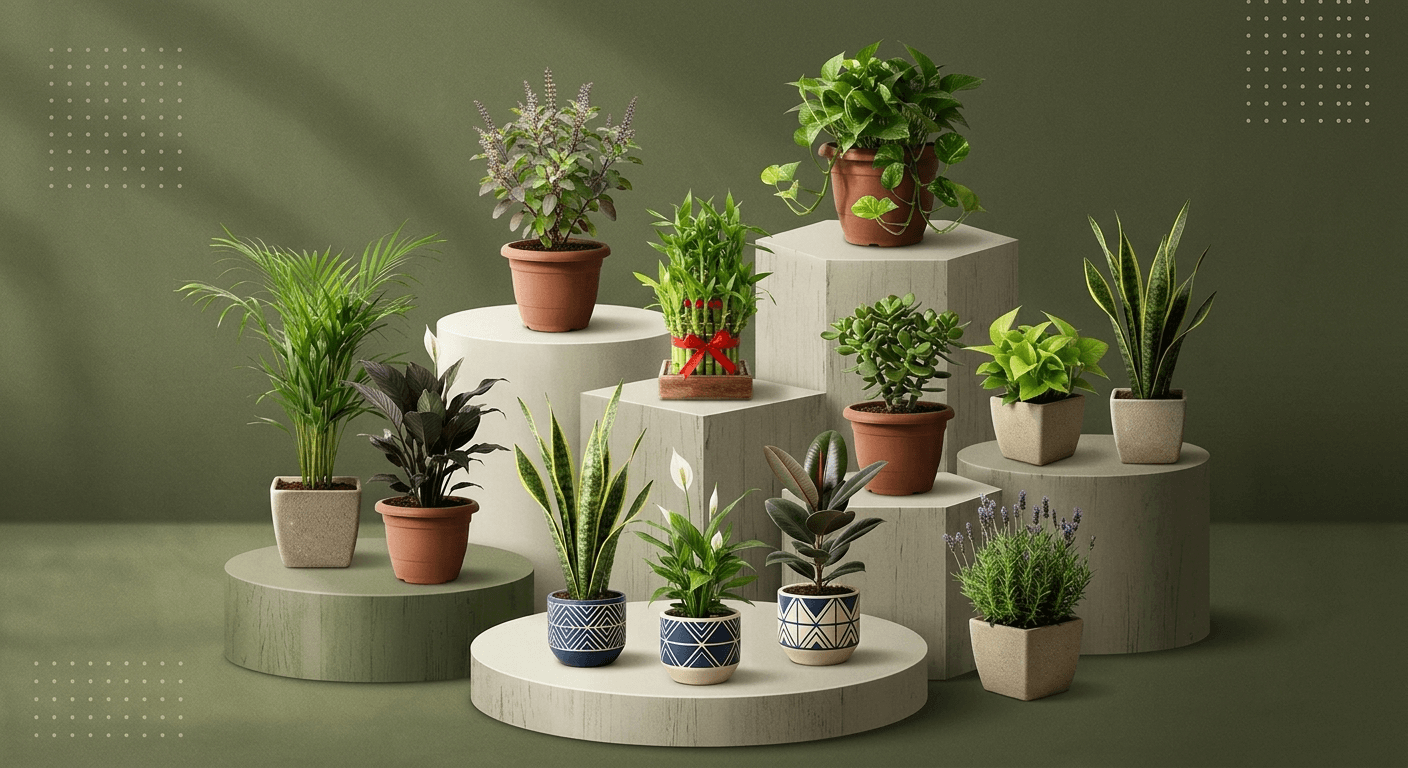
Commonly used options include:
- Money plant
- Jade plant
- Areca palm
- Lucky bamboo
- Snake plant
- Peace lily
However, the condition of the plant matters more than simply having one.
Keep plants:
- Healthy
- Clean
- Properly watered
- Away from obstructing pathways
- Suitable for the available natural light
Avoid keeping dead or neglected plants inside the office.
15. Keep the Centre of the Office Uncluttered
The central portion of an office is traditionally treated as an important open zone in Vastu planning.
Where practical, avoid filling the centre with:
- Heavy storage cabinets
- Large unused furniture
- Excessive partitions
- Stacked boxes
- Equipment that is rarely used
A more open central area also improves circulation and makes a smaller office feel less congested.
Office Vastu Direction Guide
A simple direction-based office Vastu plan can look like this:
| Office Area | Traditional Vastu Direction |
|---|---|
| Main entrance | North, East or Northeast may be considered |
| Owner/MD cabin | Southwest is commonly considered |
| Reception | North, East or Northeast may be considered |
| Workstations | East or North-facing seating is commonly preferred |
| Meeting room | West or Northwest may be considered |
| Heavy storage | South, West or Southwest |
| Open/light area | Northeast |
| Pantry | Southeast is commonly considered |
| Toilets | Northwest/West or other suitable areas depending on plan |
| Centre of office | Keep relatively open and uncluttered |
Important: These are traditional Vastu guidelines, not universal architectural rules. The actual placement should account for the building’s orientation, structural walls, fire safety, accessibility, plumbing, electrical services and functional requirements.
Best Office Vastu Tips for Different Types of Businesses
Different businesses have different space requirements, so office Vastu should not be treated as a one-size-fits-all layout.
Office Vastu for Corporate Offices
Focus on:
- Efficient workstations
- Meeting rooms
- Reception
- Management cabins
- Employee circulation
- Natural lighting
- Organized storage
Office Vastu for Small Businesses
When space is limited, prioritize:
- Entrance
- Owner’s workstation
- Employee seating
- Storage
- Lighting
- Clean circulation
You do not need a large office to create a well-planned Vastu-oriented workspace.
Office Vastu for Home Offices
For a home office, try to create a dedicated work zone instead of working from a random corner of the house.
An east- or north-facing working position is commonly recommended in traditional Vastu.
Keep the desk organized and avoid placing it directly in a high-traffic area.
Office Vastu for Commercial Workspaces
For larger offices, Vastu planning can be integrated during the initial space-planning stage.
This allows the designer to consider:
- Entrance
- Reception
- Cabins
- Workstations
- Conference rooms
- Pantry
- Storage
- Washrooms
- Server/electrical areas
- Circulation
Vastu Remedies for an Existing Office
You do not always need structural changes to improve office Vastu.
Try these simple changes first:
Declutter the Northeast
Remove unnecessary storage and keep the area clean and bright.
Reorganize the Owner’s Desk
If practical, position the owner’s desk according to the overall office orientation and provide solid wall support behind the chair.
Improve Lighting
Increase natural light and add appropriate artificial lighting to dark work areas.
Remove Broken Items
Dispose of damaged furniture, equipment and decorative objects that are no longer useful.
Add Healthy Plants
Use suitable indoor plants where natural light and maintenance conditions allow.
Organize Storage
Move bulky storage toward suitable wall zones while maintaining easy access and circulation.
Improve the Entrance
Keep the main door clean, visible and free from clutter.
Use a Balanced Colour Scheme
Choose a professional palette of light, neutral or naturally inspired colours.
What Should You Avoid in Office Vastu?
Some commonly recommended office Vastu precautions include avoiding:
- Excessive clutter near the entrance
- Heavy storage in the northeast
- Sitting directly underneath a prominent beam
- Broken furniture
- Dead or neglected plants
- Very dark and poorly lit workspaces
- Blocked windows
- Overcrowded central areas
- Unnecessary furniture
- Poorly planned circulation
- A desk placed directly in the doorway
Remember that safety, accessibility, ergonomics and building regulations should always take priority over decorative Vastu adjustments.
Does Office Vastu Really Improve Business?
Vastu Shastra is a traditional architectural practice, and claims that a particular direction or object directly causes business success are not established scientific conclusions.
However, applying some Vastu-inspired principles can coincide with useful office-design improvements: better organization, more daylight, cleaner circulation, reduced clutter, thoughtful furniture placement and a more comfortable working environment.
For this reason, Vastu can be incorporated as a design preference while still prioritizing practical requirements such as employee comfort, productivity, accessibility, ventilation, lighting and safety.
How to Improve Office Vastu Without Renovating?
If you have a rented office or cannot make structural changes, start with these seven changes:
1. Declutter the entrance
Keep the main doorway clean and accessible.
2. Reposition desks where practical
Consider east- or north-facing work positions.
3. Keep northeast lighter and cleaner
Avoid unnecessary heavy storage.
4. Organize heavy furniture
Place large cabinets along suitable walls rather than randomly around the office.
5. Improve lighting
Make dark work areas brighter and more comfortable.
6. Remove damaged objects
Get rid of broken furniture and unused equipment.
7. Add suitable plants
Use healthy indoor plants that suit the available light.
These changes can improve the overall feel and functionality of the workspace without major construction.
Office Vastu Checklist
Before finalizing your office interior, use this quick checklist:
- Is the main entrance clean and unobstructed?
- Is the reception area organized?
- Is the owner’s cabin positioned appropriately?
- Does the owner have solid wall support behind the chair?
- Are employee workstations comfortable?
- Can employees work facing a suitable direction?
- Is the northeast area relatively light and uncluttered?
- Is heavy storage organized toward suitable areas?
- Does the office receive adequate natural light?
- Is ventilation sufficient?
- Are broken items removed?
- Are indoor plants healthy?
- Is the centre of the office reasonably open?
- Are meeting rooms easy to access?
- Are pathways clear?
- Does the design meet practical safety and accessibility requirements?
Frequently Asked Questions About Improving Office Vastu
Which direction is best for an office?
According to traditional Vastu, north and east are commonly considered favourable directions for several office activities, while the ideal direction depends on the entrance, building orientation and purpose of each space.
Which direction should I face while working?
Traditional Vastu commonly recommends facing north or east while working, although the appropriate arrangement depends on the individual workstation and overall office layout.
Which direction is best for the owner’s cabin?
The southwest is commonly recommended for the owner’s or senior management cabin in traditional office Vastu.
What should be kept in the northeast corner of an office?
The northeast is traditionally kept clean, open, light and uncluttered. Avoid unnecessary heavy storage in this area when the layout allows.
Which colour is good for an office according to Vastu?
Light shades such as white, cream, beige, light yellow, soft green and light blue are commonly used in Vastu-oriented office interiors. The final colour selection should also consider branding, daylight and the type of workplace.
Which direction is good for an office reception?
North, east and northeast are commonly considered for reception areas according to traditional Vastu, subject to the complete floor plan.
How can I improve Vastu in an existing office?
Start with simple changes such as decluttering the entrance, reorganizing desks, improving lighting, removing broken objects, keeping the northeast clean, organizing heavy storage and maintaining healthy plants.
Can office Vastu be improved without changing the structure?
Yes. Many Vastu-oriented adjustments can be made through furniture placement, desk direction, lighting, colours, storage organization, plants and decluttering without changing walls or structural elements.
Is Vastu necessary for office interior design?
Vastu is not a mandatory requirement for office design. It is a traditional planning preference that some businesses choose to incorporate alongside practical considerations such as ergonomics, functionality, safety, accessibility and aesthetics.
Final Thoughts: How to Improve Office Vastu
Improving office Vastu does not necessarily mean rebuilding your workplace. Start with the fundamentals: a clean entrance, organized workstations, suitable desk direction, an uncluttered northeast zone, thoughtful storage, adequate natural light, healthy plants and a well-planned circulation system.
For a new office, Vastu considerations can be incorporated from the space-planning stage. For an existing office, simple furniture and organization changes can often be made without major renovation.
The best approach is to combine traditional Vastu Shastra principles with practical office interior design, employee comfort, functionality, safety and the specific requirements of your business.