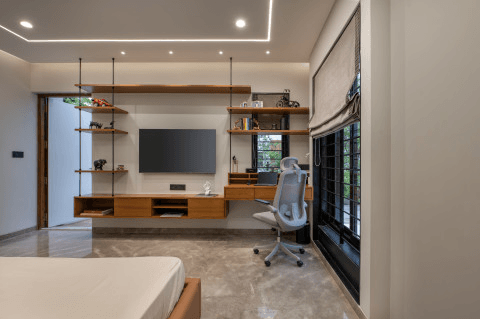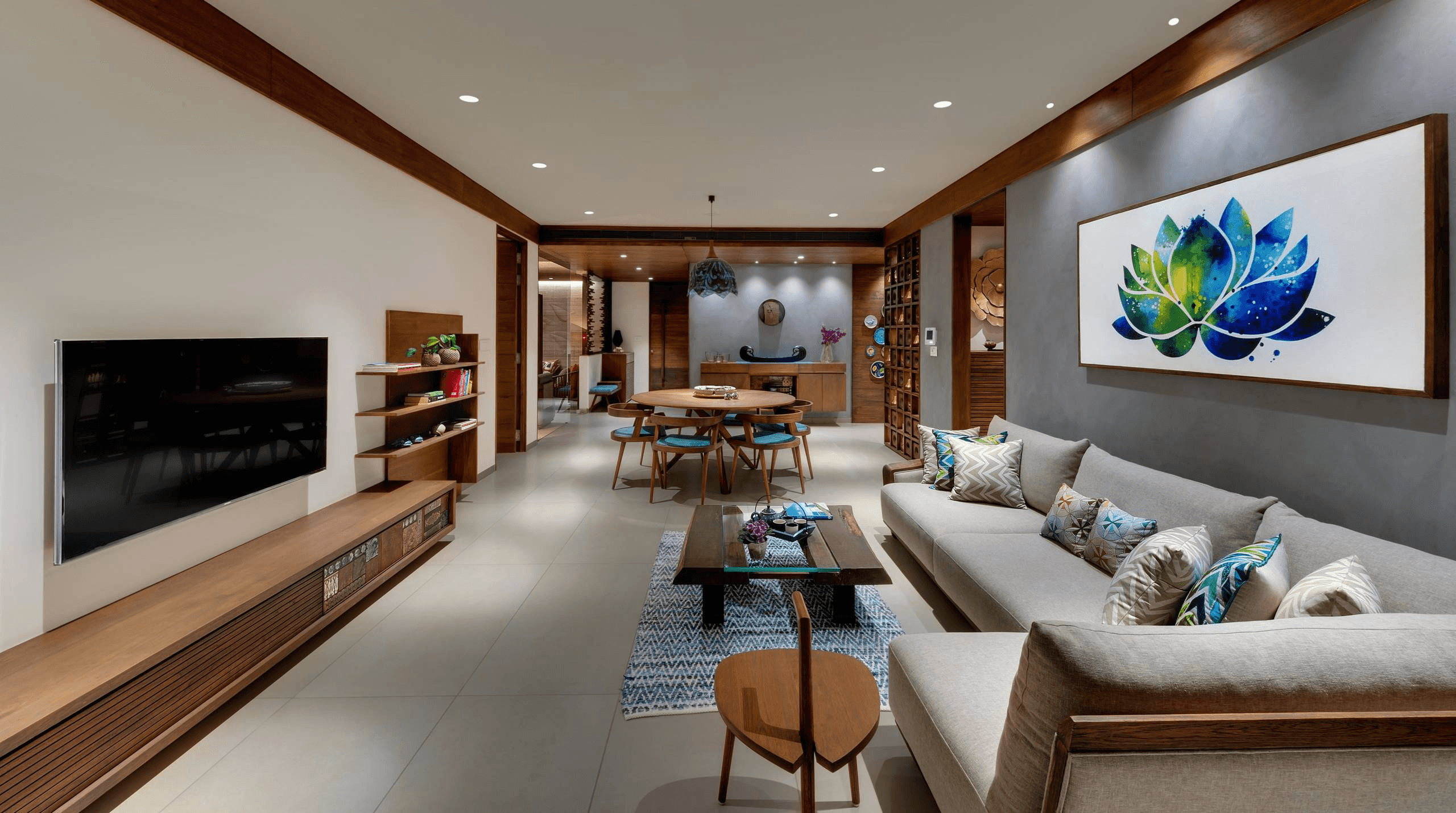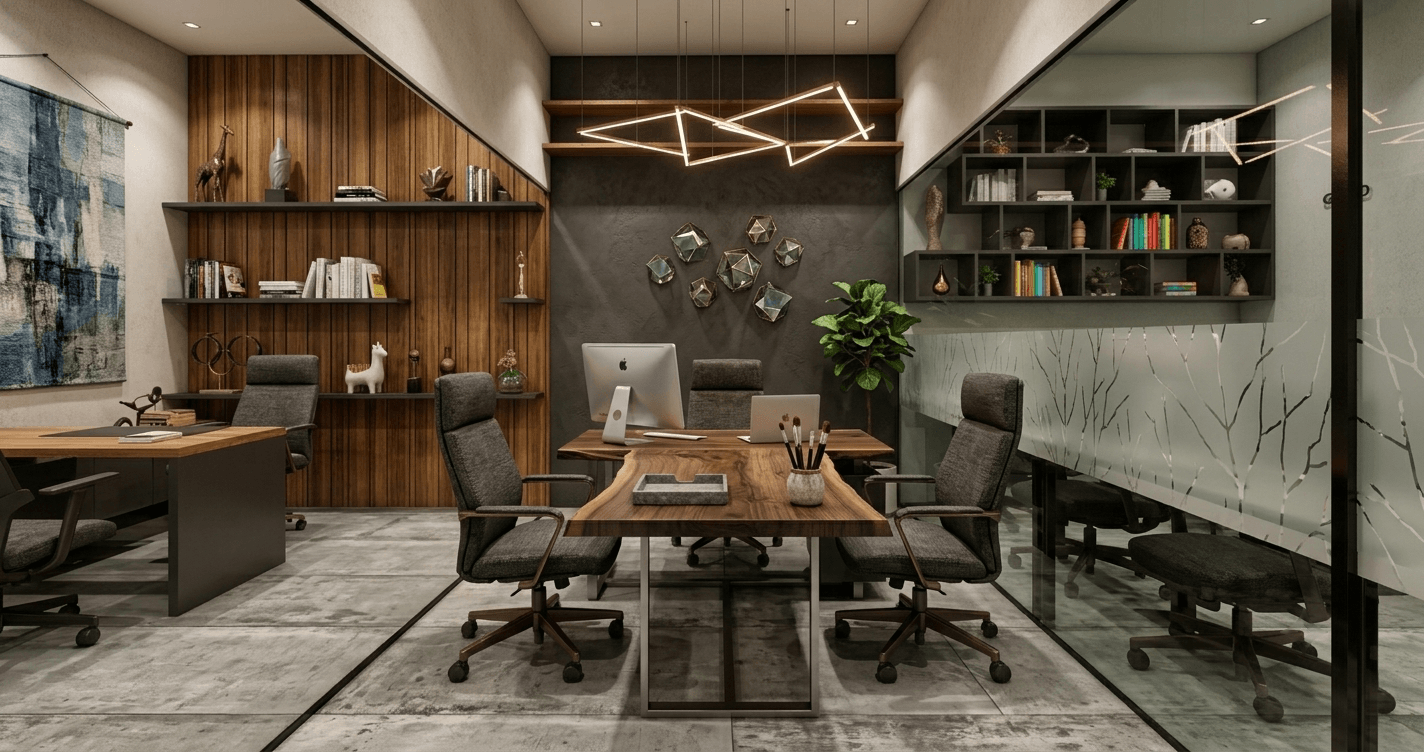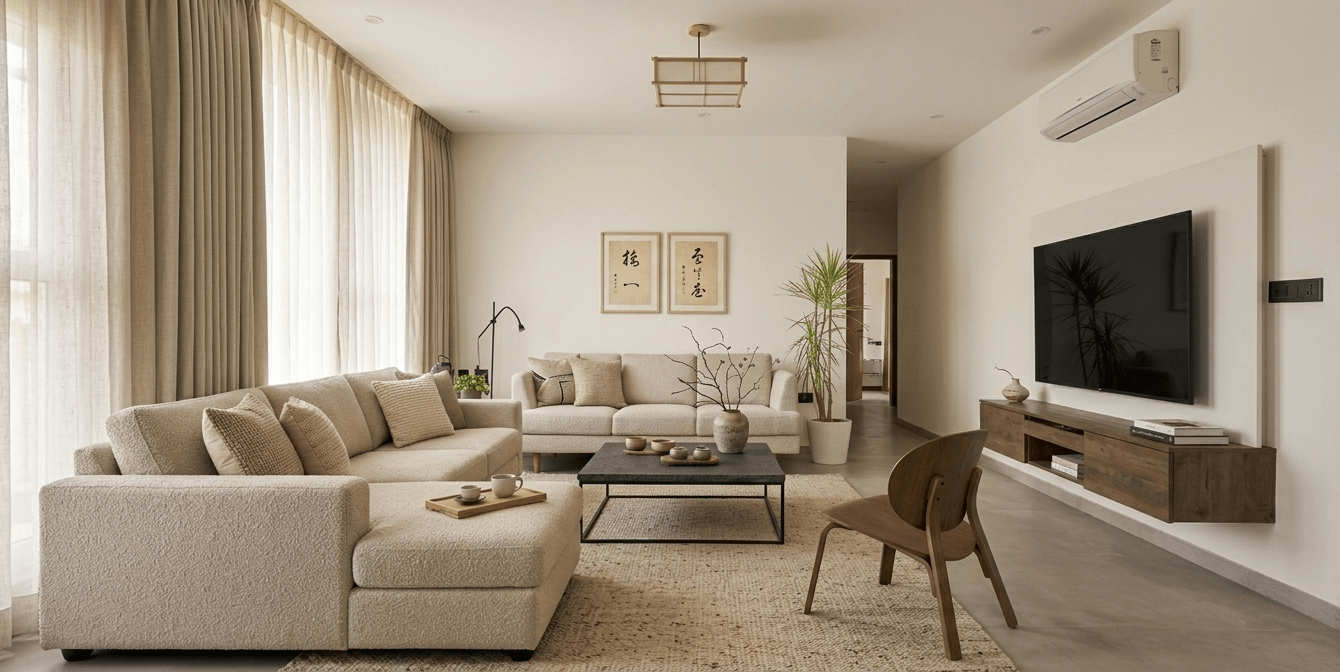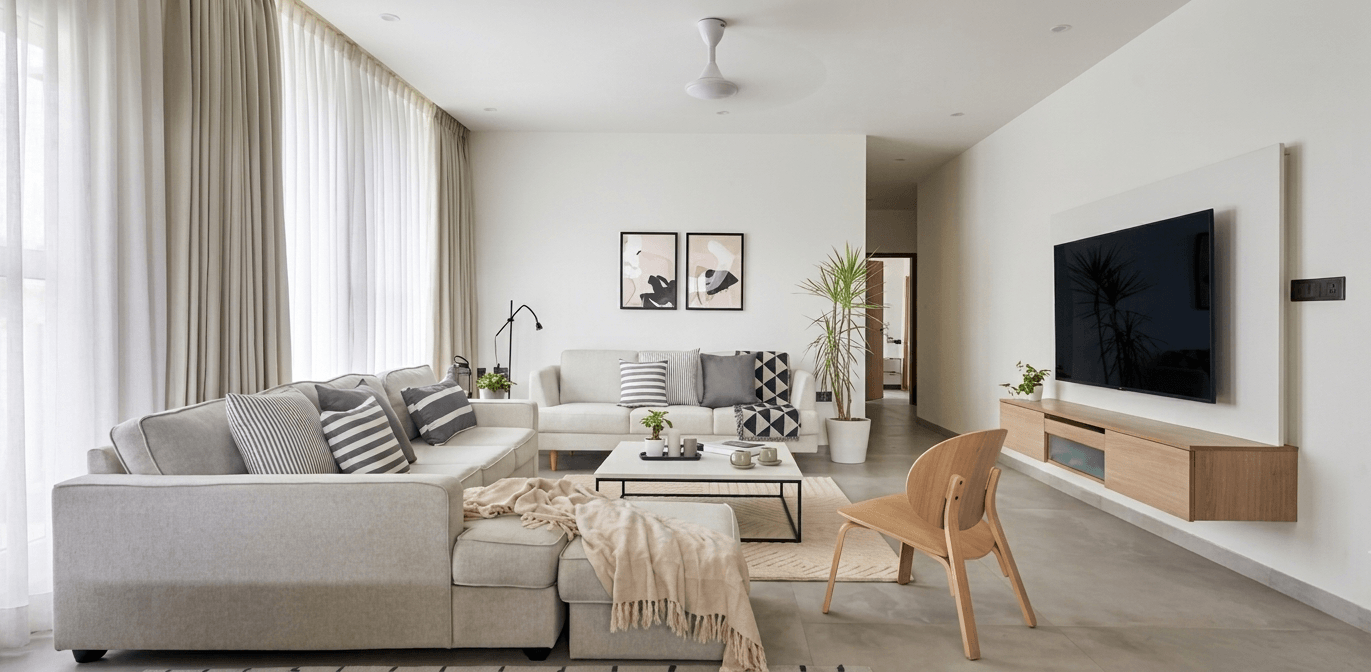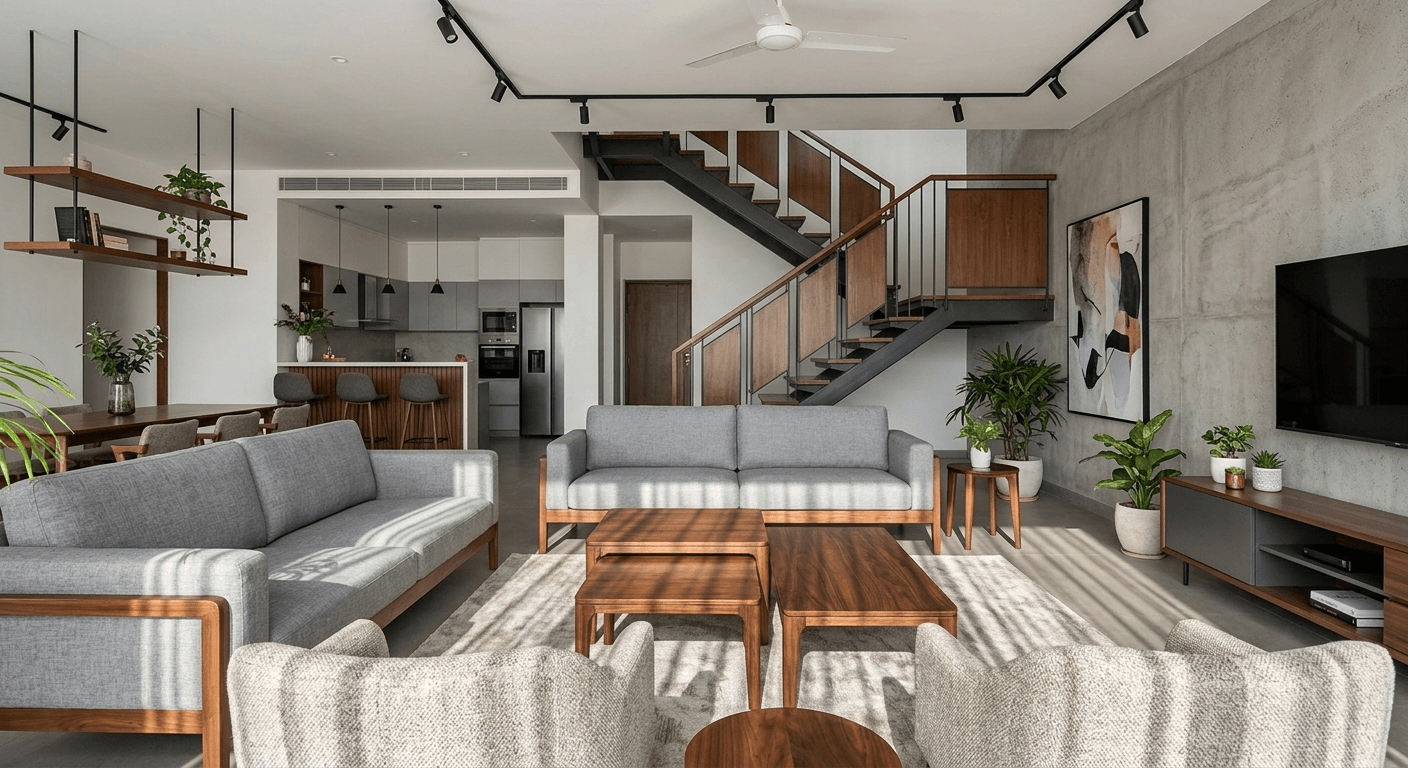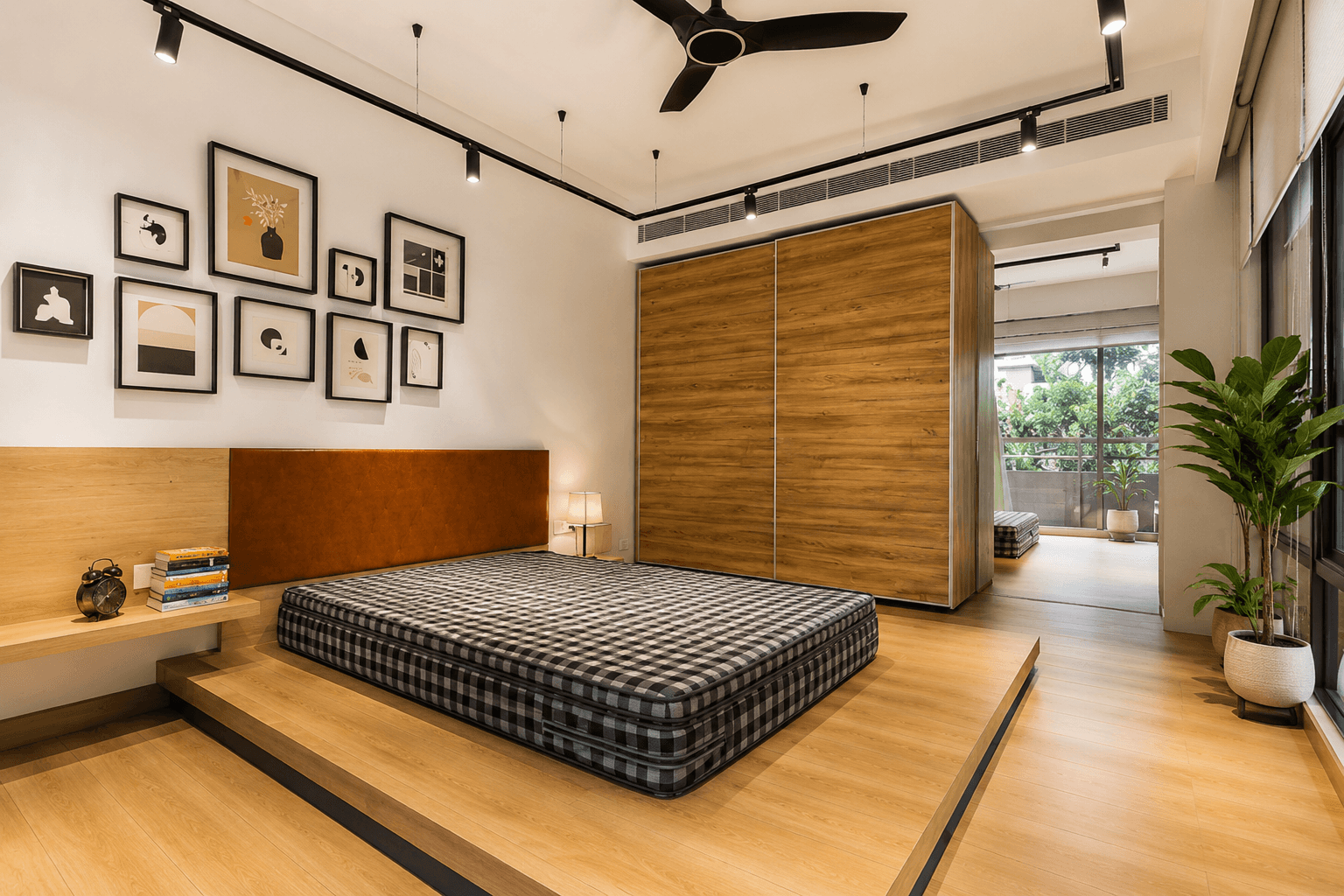
If you’ve ever scrolled through a home décor feed and paused on a room full of soft white walls, pale wood floors, and a single cozy knit throw — you’ve already met Scandinavian interior design. It’s one of the most searched, most copied, and most misunderstood styles in the design world, often reduced to “just white walls and IKEA furniture.” In reality, it’s a design philosophy that’s been quietly shaping how the world lives for over 70 years.
This guide breaks down exactly what Scandinavian interior design is, where it came from, its defining characteristics, and how you can bring it into your own home — room by room.
What Is Scandinavian Interior Design?
Scandinavian interior design is a design movement rooted in simplicity, functionality, and a deep connection to nature. It originated in the Nordic countries — Denmark, Sweden, Norway, Finland, and Iceland — and is defined by light-filled rooms, neutral color palettes, natural materials like wood and wool, and furniture that is as practical as it is beautiful.
At its core, the style is about living with intention. Nothing is included in a Scandinavian room purely for decoration — every object earns its place by being useful, well-made, or both. The result is a home that feels calm, uncluttered, and quietly warm rather than cold or sterile.
A Brief History: Where Scandinavian Design Came From
Scandinavian design emerged in the early-to-mid 20th century, with the aesthetic crystallizing in the 1950s. Long, dark winters and limited daylight across the Nordic region pushed designers to prioritize light, warmth, and function in the home — décor wasn’t a luxury, it was a response to climate and daily life.
The style went global in 1954, when the Lunning Prize began recognizing Nordic designers, followed by the influential 1960 “Design in Scandinavia” touring exhibition across North America. These events introduced the world to designers like Hans J. Wegner, Arne Jacobsen, and Alvar Aalto, whose furniture still defines the look today. The movement was also shaped by a strong cultural belief in democratic design — good design that was functional and affordable for everyone, not just the wealthy.
Key Characteristics of Scandinavian Interior Design
1. Functionality First
Every piece in a Scandinavian home serves a purpose. Furniture is often multi-functional — think storage ottomans, modular shelving, or extendable tables — because form always follows function.
2. Minimalism With Warmth
Scandinavian design is minimalist, but it’s not empty or cold. This is where the Danish concept of hygge (pronounced “hoo-ga”) comes in — a feeling of cozy contentment created through soft textiles, warm lighting, and comfortable, lived-in spaces. A truly Scandinavian room is edited, not bare.
3. Natural Light, Maximized
Because Nordic winters bring short, dark days, Scandinavian interiors are built to capture and reflect every bit of available light. Sheer or no window treatments, strategically placed mirrors, and pale surfaces all help bounce light around a room.
4. Connection to Nature
Materials like wood, wool, stone, and leather bring the outdoors in and create a grounded, organic feel that keeps the minimalist palette from feeling clinical.
5. Quality Craftsmanship
Scandinavian design favors fewer, better-made pieces over mass-produced clutter — furniture that’s built to last for decades, not seasons.
The Scandinavian Color Palette
The classic Scandi palette is built around light, airy neutrals with restrained pops of color:
- Whites and off-whites — the foundational base for walls and large furniture
- Warm greige and soft beige — softer than stark white, adds subtle warmth
- Light gray — for walls, textiles, and upholstery
- Muted blues and sage green — inspired by Nordic skies, forests, and coastlines
- Dusty pink and terracotta — increasingly popular warm accents that keep the space from feeling too cool
- Warm brown — a newer neutral accent showing up in leather chairs, wood frames, and woven baskets
- Black — used sparingly, for contrast (a single black-framed mirror or matte black light fixture)
What to avoid: bright, saturated colors, neon tones, and heavy use of black. The overall impression should always stay light, airy, and restful.
Materials That Define Scandinavian Design
| Material | Where It Shows Up |
|---|---|
| Wood (oak, birch, pine, ash) | Flooring, furniture, shelving, countertops |
| Wool | Throws, rugs, upholstery |
| Linen | Curtains, cushion covers, bedding |
| Leather | Accent chairs, cushions |
| Sheepskin | Throws, dining chair covers |
| Stone & brick | Accent walls, flooring, fireplaces |
| Matte black or brushed brass metal | Light fixtures, hardware, tapware |
Light woods like oak and birch remain the most iconic choice, though darker woods such as walnut and teak have grown in popularity recently for adding depth and sophistication to the palette.
Scandinavian Furniture: What to Look For
Scandinavian furniture is instantly recognizable by its clean lines, tapered legs, and lack of unnecessary ornamentation. Look for:
- Low-profile sofas and chairs with visible wooden legs
- Modular or open shelving that doubles as decor
- Statement lighting — pendant lights are a signature feature of Nordic interiors
- Multi-purpose pieces (storage benches, nesting tables, daybeds)
- Iconic designer pieces or their inspired counterparts (Wegner’s Wishbone Chair, Jacobsen’s Egg Chair, Aalto’s stool)
How to Get the Scandinavian Look in Your Home?
- Start with a neutral base. Paint walls in white, off-white, or soft greige, and keep large furniture pieces (sofas, beds) in neutral tones.
- Maximize natural light. Use sheer curtains or skip window treatments altogether, and add mirrors to bounce light around the room.
- Layer in natural materials. Wood flooring or furniture, a wool rug, linen curtains — this is what keeps the space from feeling cold.
- Add texture through textiles. Chunky knit throws, sheepskin, and woven baskets bring in the “hygge” factor.
- Choose one or two accent colors. Sage green, dusty blue, or terracotta in cushions, art, or a single wall is enough — don’t overdo it.
- Edit your decor ruthlessly. Keep surfaces and shelves intentionally sparse. Negative space is part of the design.
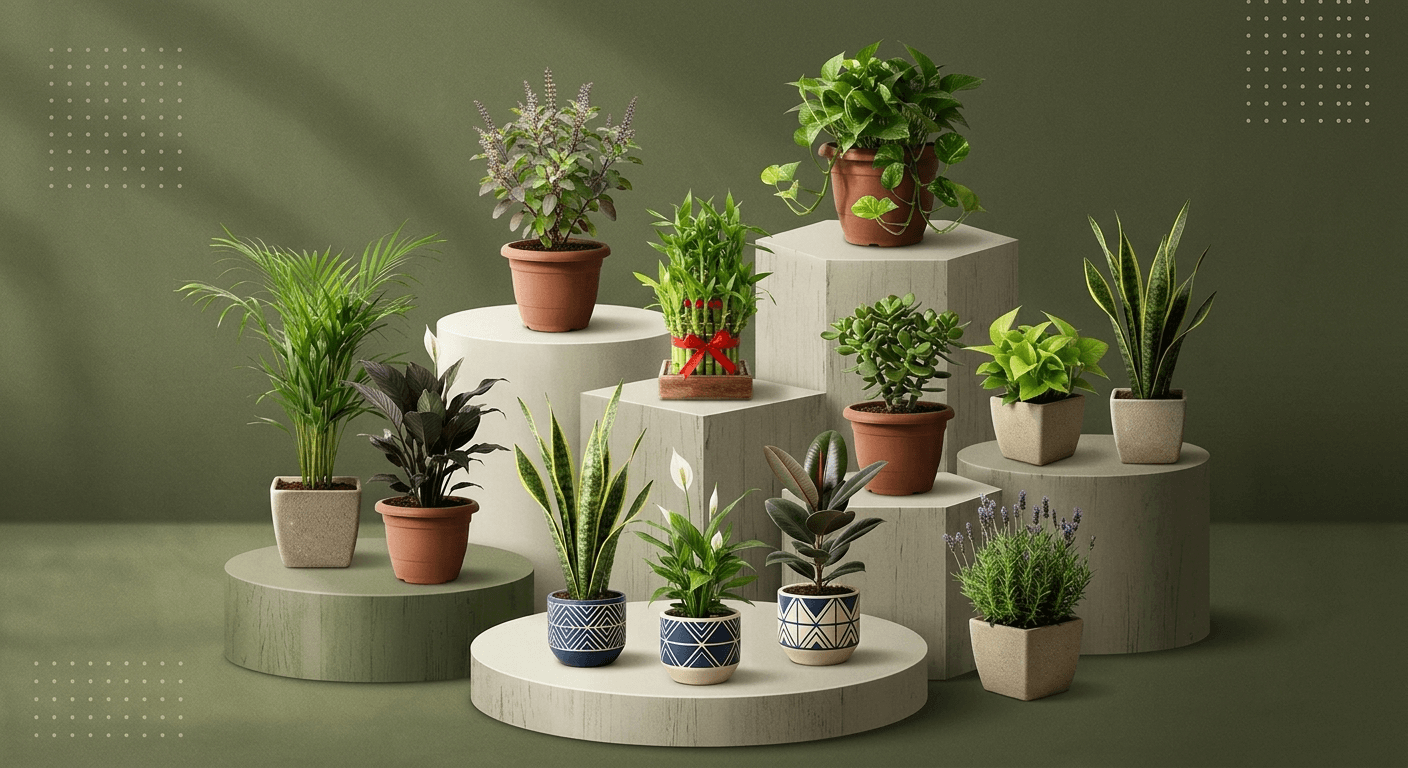
- Bring in a plant. A monstera, fiddle-leaf fig, or olive tree adds life and softens hard lines.
- Get your lighting temperature right. Stick to warm bulbs (2700K or lower) — Scandinavians are famously particular about avoiding cold, clinical light.
Common Scandinavian Design Mistakes to Avoid
- Going too cold or stark. Authentic Scandinavian design isn’t all-white and sterile — it needs wood, texture, and warmth to avoid feeling like a showroom.
- Overcrowding surfaces. More decor isn’t more Scandi — clutter undermines the whole philosophy.
- Using cool-toned lighting. Harsh white light kills the cozy, hygge feeling instantly.
- Skipping texture. A room of only smooth, hard surfaces will feel flat — mix in wool, linen, and knits.
- Forgetting function. If a piece of furniture doesn’t serve a real purpose, it doesn’t belong.
Scandinavian vs. Nordic Design: What’s the Difference?
The terms are often used interchangeably, but there’s a subtle distinction. Scandinavian design technically refers to design from Norway, Sweden, and Denmark, while Nordic design is the broader umbrella that also includes Finland and Iceland. In everyday use — and in most home decor conversations — the two terms describe the same overall aesthetic of simplicity, natural materials, and function-first design.
Scandinavian Design in Every Room
- Living Room: A low oak coffee table, a pale gray or oatmeal sofa, a chunky knit throw, and one statement pendant light.
- Bedroom: White or natural linen bedding, a low wooden bed frame, and a soft accent wall in sage or dusty blue.
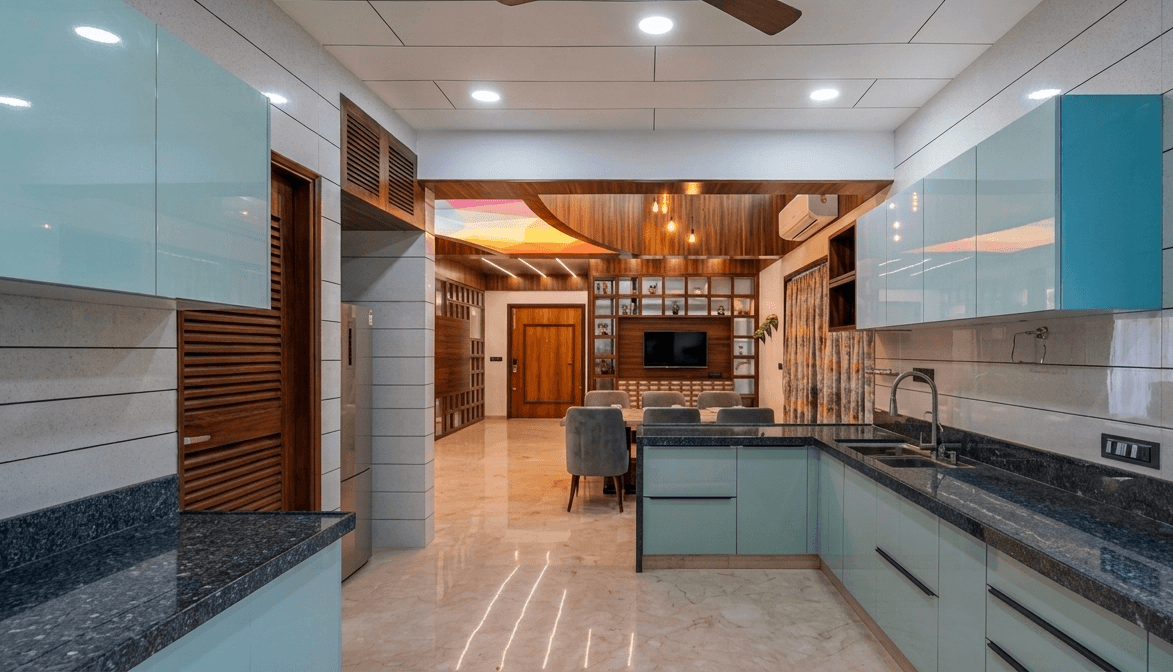
- Kitchen: Handle-less white or light wood cabinetry, open oak shelving, and matte black or brass hardware.
- Bathroom: Natural stone or microcement finishes, an oak vanity, and warm, dimmable lighting.
Why Scandinavian Design Has Stayed Popular for Over 70 Years?
Unlike many design trends that come and go, Scandinavian interior design has endured because it solves real problems: it makes small spaces feel larger, dark rooms feel brighter, and busy lives feel calmer. It’s versatile enough to work in a tiny city apartment or a sprawling countryside home, and timeless enough that a well-chosen piece bought today will still look right in twenty years. That combination of beauty, comfort, and practicality is exactly why the style continues to dominate global interior design trends.
Frequently Asked Questions
What is the main idea behind Scandinavian interior design? The core idea is that design should be simple, functional, and rooted in nature — every object should be useful, beautiful, or both, and rooms should feel light, calm, and comfortable.
What is hygge and how does it relate to Scandinavian design? Hygge is a Danish concept meaning cozy contentment. It’s the emotional heart of Scandinavian design — the reason these minimalist spaces feel warm and inviting rather than cold or clinical.
Is Scandinavian design the same as minimalist design? They overlap but aren’t identical. Minimalism focuses purely on reducing clutter, while Scandinavian design combines that minimalism with warmth, natural materials, and coziness (hygge).
What colors are used in Scandinavian interior design? Primarily white, off-white, light gray, and warm neutrals, accented with muted tones like sage green, dusty blue, terracotta, and warm brown.
Can Scandinavian design work in small spaces or apartments? Yes — it’s especially well-suited to small spaces. Light colors, minimal clutter, and multi-functional furniture make rooms feel larger and more open.