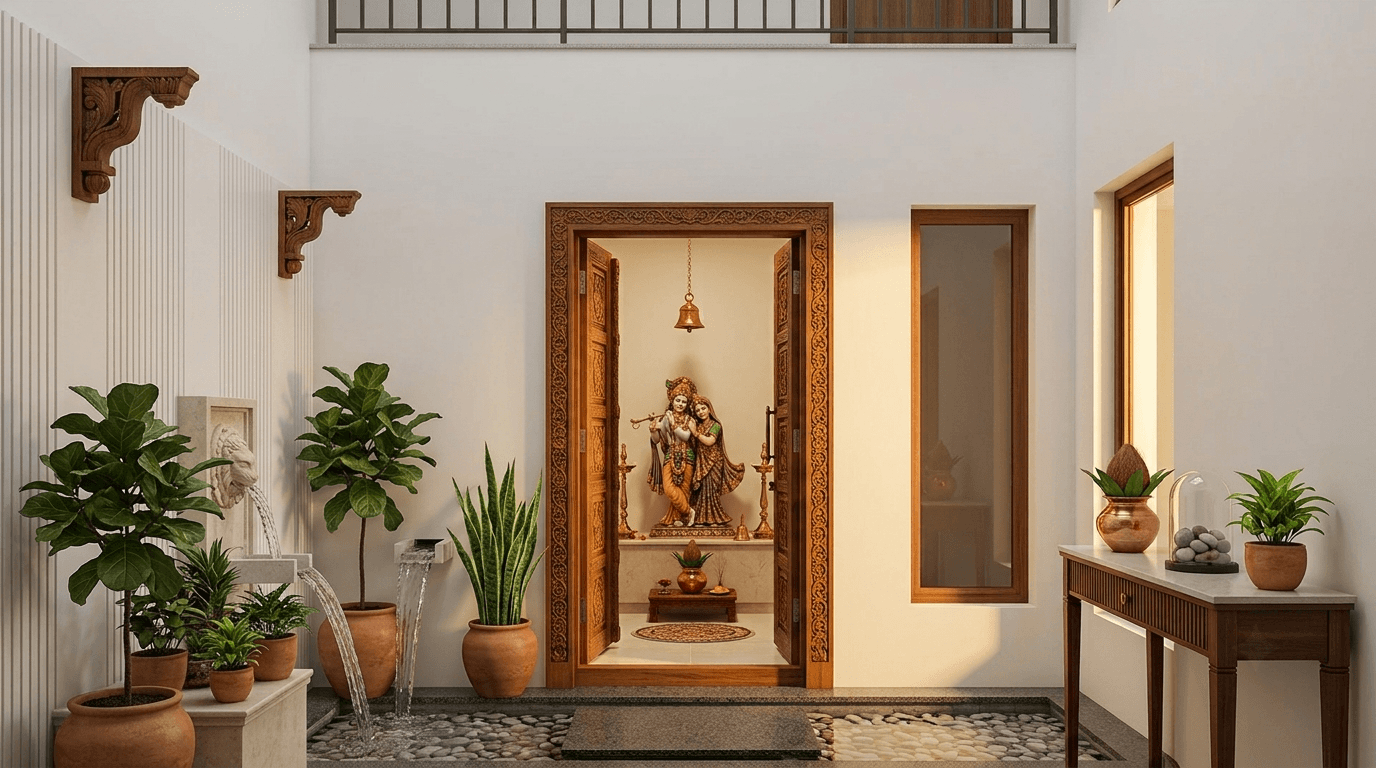
Plants can make a home feel fresher, calmer and more connected to nature. In Vastu Shastra, certain plants are traditionally associated with positivity, prosperity, health and harmony, while their direction and placement are also considered important.
So, which plant is best for home as per Vastu?
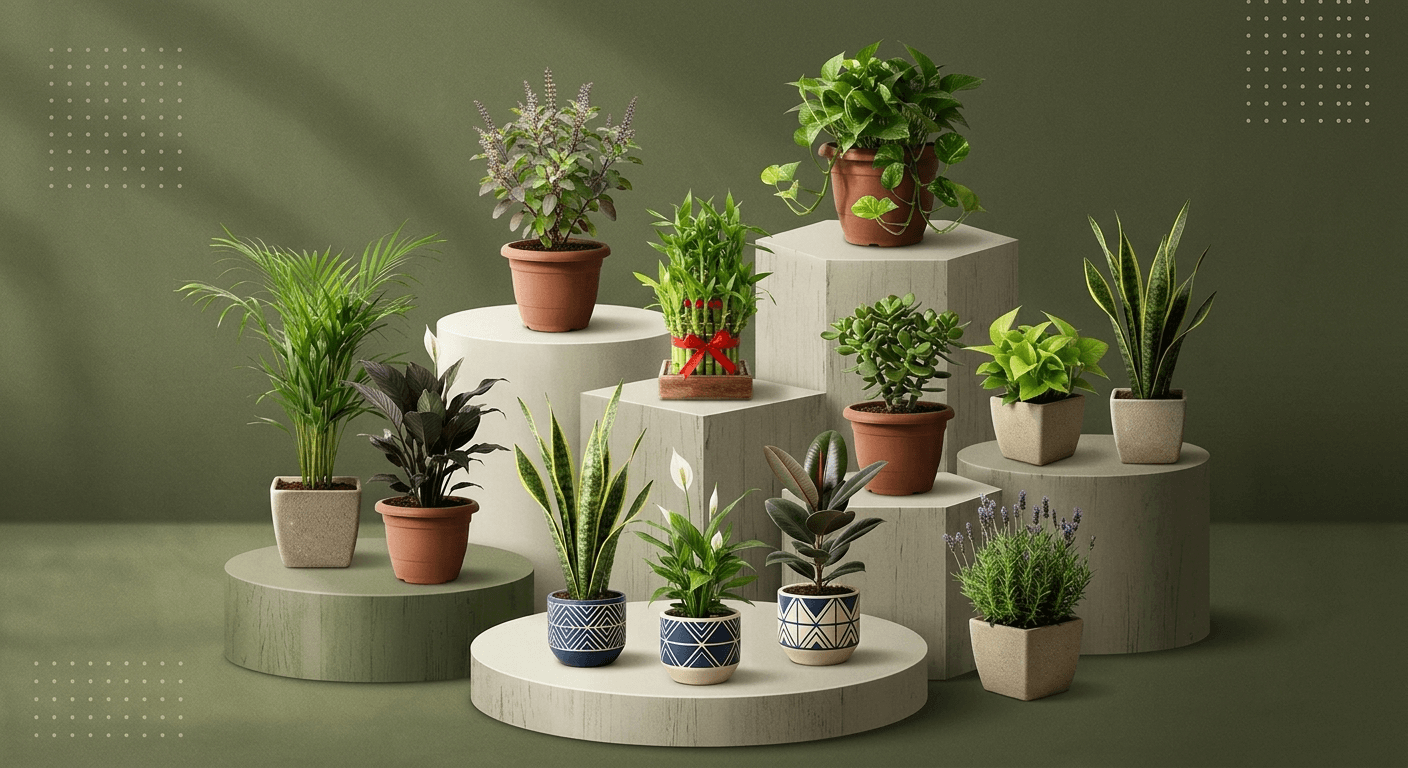
Tulsi (Holy Basil) is traditionally considered one of the most auspicious plants for an Indian home, particularly when placed in a suitable location such as the north, east or northeast. For prosperity, Money Plant and Jade Plant are among the most commonly recommended choices, while Lucky Bamboo, Snake Plant, Peace Lily and Areca Palm are also popular Vastu-friendly plants.
However, there is no single plant that is considered universally “best” for every home. The ideal choice depends on your Vastu direction, available sunlight, room, plant-care requirements and the purpose you have in mind.
Quick Answer: If you want one traditional Vastu plant for your home, choose Tulsi. If your priority is prosperity, consider a Money Plant or Jade Plant. For a low-maintenance indoor option, Snake Plant or Lucky Bamboo can be considered.
Top 10 Vastu Plants for Home
| Plant | Common Vastu association | Suggested direction | Best location |
|---|---|---|---|
| Tulsi | Purity, positivity, spiritual significance | North, East or Northeast | Balcony, window or courtyard |
| Money Plant | Prosperity and abundance | Southeast | Living room, balcony |
| Jade Plant | Growth and prosperity | Southeast or suitable entrance area | Living room, entrance |
| Lucky Bamboo | Growth, harmony and good fortune | East or Southeast | Living room, study |
| Snake Plant | Protection and freshness | East, South or Southeast | Bedroom, living room |
| Peace Lily | Calm and harmony | South or West in some Vastu guides | Living room |
| Aloe Vera | Well-being and positivity | East or North | Window, balcony |
| Areca Palm | Freshness and natural balance | East, Southeast or North | Living room |
| Rubber Plant | Growth and prosperity | Southeast | Living room or office |
| Jasmine | Peace, fragrance and positivity | East, North or Northeast | Balcony or window |
Direction recommendations differ across Vastu sources, so treat the table as a practical traditional guide rather than a universal rule.
1. Tulsi Plant
Tulsi, also known as Holy Basil, is one of the most important traditional plants associated with Indian homes and Vastu.
It is commonly regarded as an auspicious plant and is traditionally associated with purity, positivity and spiritual well-being. Many Vastu sources recommend placing Tulsi in the north, east or northeast part of the home.
Best direction for Tulsi plant as per Vastu
- North
- East
- Northeast
Where to keep Tulsi at home
A sunny balcony, courtyard, terrace or bright window area can be suitable, provided the plant receives the light it needs.
For apartments, a clean and naturally bright balcony can be a practical choice.
Tulsi Vastu tip
Do not choose a location purely because of direction. Tulsi also needs suitable sunlight, ventilation and regular care to remain healthy.
Search keywords: Tulsi plant Vastu, Tulsi Vastu direction, Tulsi plant for home, Tulsi plant direction as per Vastu, best place for Tulsi plant.
2. Money Plant
The Money Plant is probably one of the most searched plants associated with prosperity and Vastu.
Money Plant generally refers to Pothos/Epipremnum aureum, a popular indoor trailing plant. In Vastu traditions, it is commonly associated with wealth, abundance and financial growth, with the southeast direction frequently recommended.
Best direction for Money Plant as per Vastu
Southeast is a commonly recommended placement.
Where to keep Money Plant
You can use it in:
- Living room
- Balcony
- Near a bright window
- Home office
- Vertical planter
- Hanging planter
Because Money Plant is a climbing or trailing plant, allowing healthy growth rather than letting it become neglected is a sensible practical approach.
Money Plant Vastu tips
- Keep the plant healthy and green.
- Remove yellow or damaged leaves.
- Avoid allowing the soil to remain excessively wet.
- Give it suitable indirect or filtered light.
- Do not let the plant become tangled or neglected.
Search keywords: Money Plant Vastu, Money Plant direction, Money Plant Vastu direction, Money Plant for home, Vastu plants for money, lucky plants for home.
3. Jade Plant
The Jade Plant is another popular choice for people searching for a Vastu plant for wealth and prosperity.
Its small, rounded leaves are traditionally associated with abundance and steady growth. Several current Vastu guides recommend Jade in or around the southeast, although some sources suggest other suitable placements depending on the home’s layout.
Best direction for Jade Plant
Southeast is a commonly suggested direction.
Best place for Jade Plant
Consider placing Jade in:
- Living room
- Home office
- Bright entrance area
- Balcony
- Study area
Jade needs good light and well-drained soil, so a bright location is generally more important for its actual growth than forcing it into a dark corner simply because of direction.
Jade Plant Vastu tip
A healthy, well-maintained Jade Plant is preferable to an unhealthy plant placed in an allegedly perfect Vastu direction.
4. Lucky Bamboo
Lucky Bamboo is a popular indoor plant used in homes and offices and is frequently included in lists of auspicious Vastu plants.
It is traditionally associated with growth, balance, harmony and good fortune. Current Vastu sources commonly suggest the east or southeast for Lucky Bamboo.
Best direction for Lucky Bamboo
- East
- Southeast
Where to keep Lucky Bamboo
Lucky Bamboo works particularly well in:
- Living room
- Study
- Home office
- Work desk
- Entry area
Its compact size also makes it suitable for apartments where floor space is limited.
Lucky Bamboo Vastu tip
Keep the container and water clean if you are growing it in water. Remove damaged or yellowing growth and provide appropriate indirect light.
5. Snake Plant
The Snake Plant, also known as Sansevieria or Dracaena trifasciata, is one of the most popular low-maintenance indoor plants.
It is frequently included in Vastu plant lists because of its association with protection, freshness and positive indoor surroundings. Current Vastu sources commonly suggest east, south or southeast placements.
Best direction for Snake Plant
Commonly suggested directions include:
- East
- South
- Southeast
Where to keep Snake Plant
It can work well in:
- Living room
- Bedroom
- Home office
- Study
- Near a window
- Empty corners
Its upright growth also makes it useful when you want to add greenery without taking up much floor area.
Snake Plant Vastu tip
Avoid treating any plant as a guaranteed remedy. Its practical benefit comes from choosing a suitable plant for your home’s light and maintenance conditions.
6. Peace Lily
The Peace Lily is a popular flowering indoor plant with dark green leaves and white blooms.
It is commonly associated with peace, calmness and harmony in modern Vastu plant guides. Some Vastu sources recommend the south or west for Peace Lily, while other sources vary on placement.
Best place for Peace Lily
A Peace Lily can work well in:
- Living room
- Bright hallway
- Study
- Indoor seating area
Choose a location with appropriate indirect light and avoid placing it where pets or children could chew the plant, as Peace Lily is not considered pet-safe.
7. Aloe Vera
Aloe Vera is another popular plant for Indian homes because it is relatively easy to maintain and can grow well in warm conditions with appropriate care.
Vastu plant guides commonly associate Aloe Vera with positive energy and well-being, with east or north sometimes suggested as suitable directions.
Best direction for Aloe Vera
- East
- North
Where to keep Aloe Vera
Suitable practical locations can include:
- Balcony
- Sunny window
- Kitchen window
- Outdoor ledge
- Terrace garden
Aloe Vera stores water in its leaves, so overwatering can be a bigger problem than underwatering. Current gardening guidance also emphasizes bright light and careful watering.
8. Areca Palm
The Areca Palm is a popular choice for large living rooms, balconies and contemporary Indian interiors.
Its tall, tropical appearance can add greenery without making a room feel visually heavy. Vastu plant lists commonly associate Areca Palm with directions such as east, southeast or north.
Best place for Areca Palm
Try it in:
- Living room corners
- Balcony
- Large entrance areas
- Open-plan interiors
- Near naturally bright windows
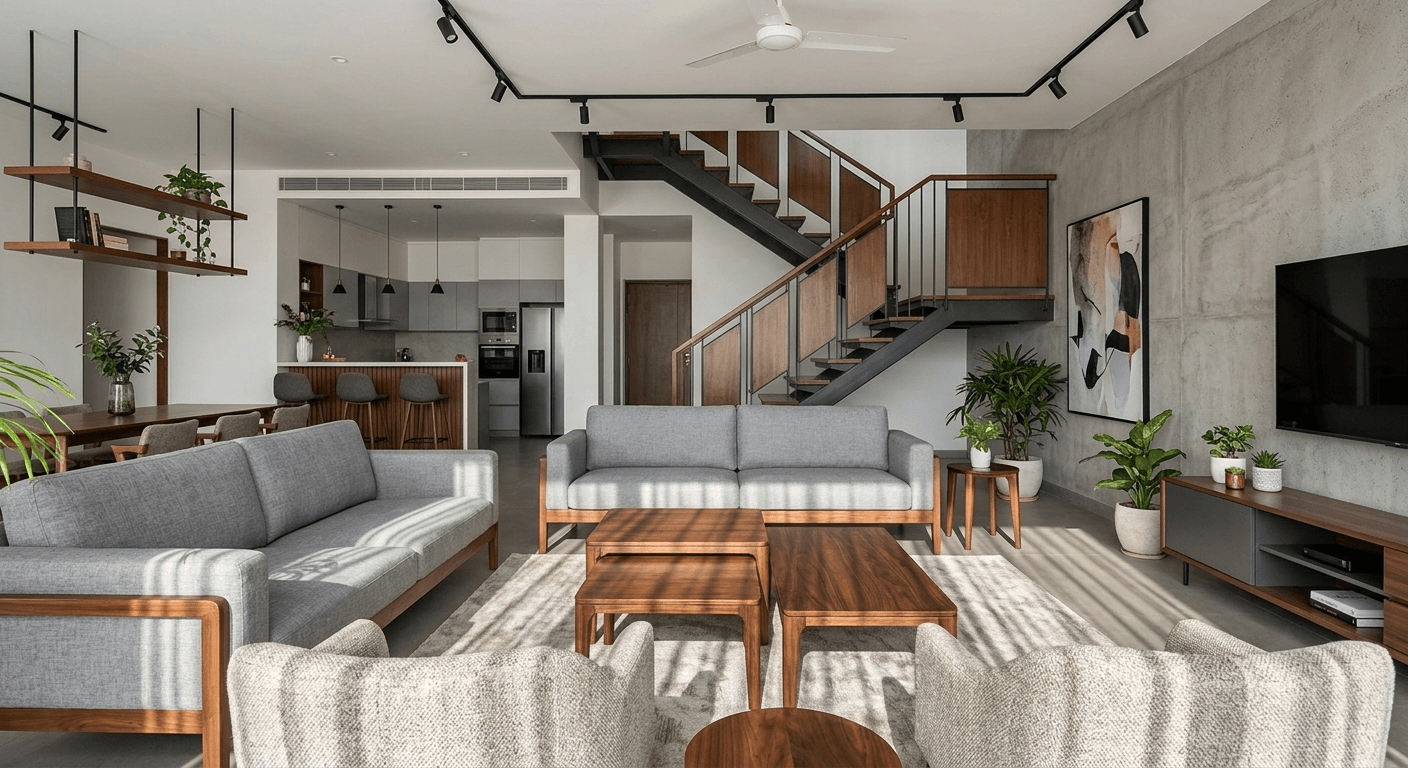
For a modern interior, a large Areca Palm can also become a natural focal point beside a sofa, console or lounge chair.
9. Rubber Plant
The Rubber Plant is a popular indoor foliage plant and is often included in Vastu lists associated with prosperity and growth.
Some Vastu sources recommend the southeast for Rubber Plant.
Best direction for Rubber Plant
Southeast is commonly suggested.
Where to keep Rubber Plant
It can work particularly well in:
- Living room
- Home office
- Entrance area
- Balcony
- Large empty corner
Its broad leaves also complement modern, contemporary and luxury interior designs.
10. Jasmine Plant
Jasmine is valued for its fragrance and flowering appearance and is included in several Vastu plant lists.
Vastu guides commonly associate Jasmine with the east, north or northeast.
Best direction for Jasmine
- East
- North
- Northeast
Where to keep Jasmine
A balcony, courtyard or bright window area can be ideal because Jasmine generally benefits from adequate light and airflow.
Its fragrance can also make outdoor seating and balcony spaces more pleasant.
Best Vastu Plants for Home by Purpose
If you are choosing a plant based on what you want it to represent, this quick guide can help:
For prosperity and wealth
- Money Plant
- Jade Plant
- Lucky Bamboo
- Rubber Plant
For positivity and spiritual significance
- Tulsi
- Jasmine
- Lucky Bamboo
For greenery and freshness
- Areca Palm
- Snake Plant
- Aloe Vera
- Peace Lily
For small apartments
- Money Plant
- Lucky Bamboo
- Snake Plant
- Jade Plant
- Aloe Vera
For balconies
- Tulsi
- Jasmine
- Aloe Vera
- Areca Palm
- Money Plant
Which Direction Is Best for Vastu Plants?
There is no single direction that applies to every plant.
According to commonly published Vastu recommendations:
- North: Tulsi, Aloe Vera and some flowering plants
- Northeast: Tulsi and selected flowering plants
- East: Tulsi, Lucky Bamboo, Snake Plant and Jasmine
- Southeast: Money Plant, Jade Plant, Lucky Bamboo and Rubber Plant
- South: Snake Plant is sometimes recommended
- West: Peace Lily is suggested by some Vastu guides
Different Vastu practitioners and sources can give different plant-direction combinations. For this reason, it is better to consider the overall room layout, sunlight, ventilation and plant-care requirements rather than following a single rule mechanically.
7 Vastu Rules for Keeping Plants at Home
Choosing a lucky plant is only the beginning. How you maintain it can make a much bigger practical difference to the appearance and feel of your home.
1. Keep plants healthy
Avoid keeping severely wilted, diseased or completely dried plants as permanent décor.
2. Remove dead leaves
Regularly remove dead and yellowing leaves to keep your plants looking clean and healthy.
3. Give plants enough natural light
A plant should be placed where its actual light requirements can be met.
4. Avoid overcrowding
Too many plants in one small room can make the space feel cluttered. Use greenery intentionally.
5. Keep pots and surrounding areas clean
Dirty containers, stagnant water and fallen leaves can make even a beautiful interior look untidy.
6. Match the plant with the room
Large palms can work well in spacious living rooms, while compact plants are more practical for bedrooms, studies and smaller apartments.
7. Never sacrifice plant health for direction
If a plant needs bright light, do not put it in a dark corner just because that direction is considered favourable in one Vastu tradition.
Vastu Plants to Avoid at Home
One of the most common searches related to Vastu plants is which plants should not be kept inside the house.
Many Vastu guides advise caution with thorny plants such as cactus and recommend avoiding dead or severely dried plants indoors.
However, the advice is not completely uniform across all Vastu traditions.
For practical home interiors, consider these points:
- Avoid keeping dead plants as permanent décor.
- Avoid plants that are unsafe for children or pets.
- Avoid plants that cannot survive the available light.
- Avoid excessive indoor greenery that creates clutter.
- Avoid stagnant water in plant containers.
- Avoid placing large plants where they obstruct circulation.
The goal should be a home that is healthy, functional, well-maintained and visually balanced.
Vastu Plants for Different Rooms
Vastu Plants for Living Room
The living room is one of the easiest areas for adding plants.
Good options include:
- Areca Palm
- Money Plant
- Jade Plant
- Peace Lily
- Snake Plant
- Rubber Plant
Use larger plants to soften empty corners and smaller plants on consoles, shelves or side tables.
Vastu Plants for Bedroom
For bedrooms, choose plants that suit the room’s available light and your maintenance routine.
Popular options include:
- Snake Plant
- Peace Lily
- Small Jade Plant
Avoid filling the bedroom with too many large plants. A simple arrangement generally works better with modern interior design.
Vastu Plants for Balcony
A balcony provides better access to natural light and ventilation.
Consider:
- Tulsi
- Jasmine
- Aloe Vera
- Money Plant
- Areca Palm
Vastu Plants for Home Office
For a home office or study, compact plants can add greenery without taking up valuable desk space.
Consider:
- Lucky Bamboo
- Jade Plant
- Money Plant
- Snake Plant
Best Vastu Plants for Positive Energy
The phrase “positive energy plants for home” is commonly used in searches around Vastu and lucky plants.
Traditional Vastu associations often include:
Tulsi: purity and spiritual significance
Money Plant: prosperity and abundance
Jade: growth and financial prosperity
Lucky Bamboo: growth and harmony
Snake Plant: protection and freshness
Peace Lily: calm and harmony
Jasmine: fragrance and peaceful surroundings
These are traditional Vastu beliefs, not scientifically established guarantees that a plant will cause wealth, health or financial success.
Best Vastu Plants for Money and Prosperity
If your main search is for Vastu plants for money, the plants most frequently associated with prosperity include:
- Money Plant
- Jade Plant
- Lucky Bamboo
- Rubber Plant
- Tulsi
Money Plant is particularly prominent in current Vastu content, while Jade is commonly associated with growth and prosperity.
Remember that these associations come from Vastu and cultural traditions. A plant should not be treated as a substitute for financial planning or other practical decisions.
How to Choose the Right Vastu Plant for Your Home?
Instead of choosing a plant only because it appears on a “lucky plants” list, consider these five factors:
1. Direction
Check the traditional Vastu direction associated with the plant.
2. Natural light
Make sure the location provides the amount of light the plant actually requires.
3. Available space
A large Areca Palm may look beautiful in a spacious living room but can overwhelm a compact bedroom.
4. Maintenance
If you travel frequently or have a busy schedule, choose a low-maintenance plant.
5. Interior style
Match the plant and planter with the overall interior design.
For example, a sculptural planter with a tall indoor plant can complement a contemporary living room, while a simple terracotta pot may suit a more natural or traditional interior.
Frequently Asked Questions About Vastu Plants for Home
Which is the best Vastu plant for home?
Tulsi is one of the most traditionally significant Vastu plants for Indian homes. Other popular choices include Money Plant, Jade Plant, Lucky Bamboo, Snake Plant, Peace Lily, Aloe Vera and Areca Palm. The best choice depends on your home’s direction, natural light, available space and maintenance requirements.
Which plant is good for money according to Vastu?
Money Plant and Jade Plant are among the plants most commonly associated with wealth, prosperity and abundance in Vastu traditions. Money Plant is frequently recommended for the southeast direction.
Which plant is lucky for home?
Popular lucky plants for home include Tulsi, Money Plant, Jade Plant, Lucky Bamboo, Snake Plant and Peace Lily. These plants are associated with different symbolic meanings in Vastu and cultural traditions.
Which direction is best for plants according to Vastu?
There is no universal direction for every plant. North, east, northeast and southeast frequently appear in Vastu recommendations, depending on the species. For example, Tulsi is commonly associated with north/east/northeast, while Money Plant is frequently associated with southeast.
Can Vastu plants be kept indoors?
Yes. Many commonly recommended Vastu plants are suitable for indoor spaces, including Money Plant, Lucky Bamboo, Snake Plant, Jade Plant, Peace Lily and Rubber Plant. Their actual light and watering requirements should still be considered.
Which plant is best for the entrance of the house?
Tulsi, Jade Plant and selected flowering plants are commonly associated with auspicious home entrances in Vastu discussions. However, the entrance should remain clear and safe, and the plant should receive suitable light.
Which plants should not be kept inside the house according to Vastu?
Many Vastu guides advise avoiding thorny plants such as cactus indoors and recommend removing dead or severely dried plants. However, recommendations vary between Vastu traditions.
Is Money Plant good for home according to Vastu?
Yes. Money Plant is one of the most commonly discussed Vastu plants for home and is traditionally associated with prosperity and abundance. Southeast is a frequently recommended placement.
Is Tulsi good for home according to Vastu?
Yes. Tulsi has strong traditional and religious significance in many Indian homes and is commonly considered an auspicious plant. Vastu sources frequently recommend north, east or northeast placement.
Which plant is best for a small flat?
For a small flat, Money Plant, Lucky Bamboo, Snake Plant, Jade Plant and Aloe Vera are practical options because several can be grown in relatively compact containers.
Final Thoughts: Choosing the Best Vastu Plants for Home
The best Vastu plants for home are not simply the plants with the longest “lucky plant” list. The most successful approach is to combine traditional Vastu principles with practical plant care and good interior design.
Start with plants that suit your lifestyle and the conditions inside your home. Tulsi can add traditional significance, Money Plant and Jade can bring a prosperity-focused theme, Lucky Bamboo can add a compact decorative element, while Snake Plant, Peace Lily and Areca Palm can introduce greenery into modern interiors.
Most importantly, keep your plants healthy, clean and appropriately placed. A thriving plant in a well-designed home will always look better than a neglected plant placed in a supposedly perfect direction.
If you are planning a new home interior, plant placement can also be considered during the design stage so that balconies, windows, niches, planters and natural-light areas work together with the overall interior layout.
Key Takeaway
The top 10 Vastu plants for home are Tulsi, Money Plant, Jade Plant, Lucky Bamboo, Snake Plant, Peace Lily, Aloe Vera, Areca Palm, Rubber Plant and Jasmine. For traditional placement, Tulsi is commonly associated with north, east or northeast, while Money Plant and Jade Plant are frequently associated with southeast. Always consider natural light, ventilation, plant care and your home’s actual layout before choosing the final location.