What is the best interior finish for homes in Ahmedabad?
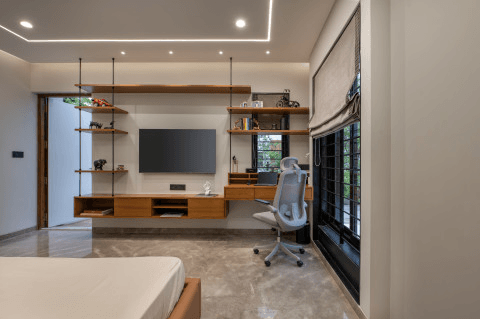
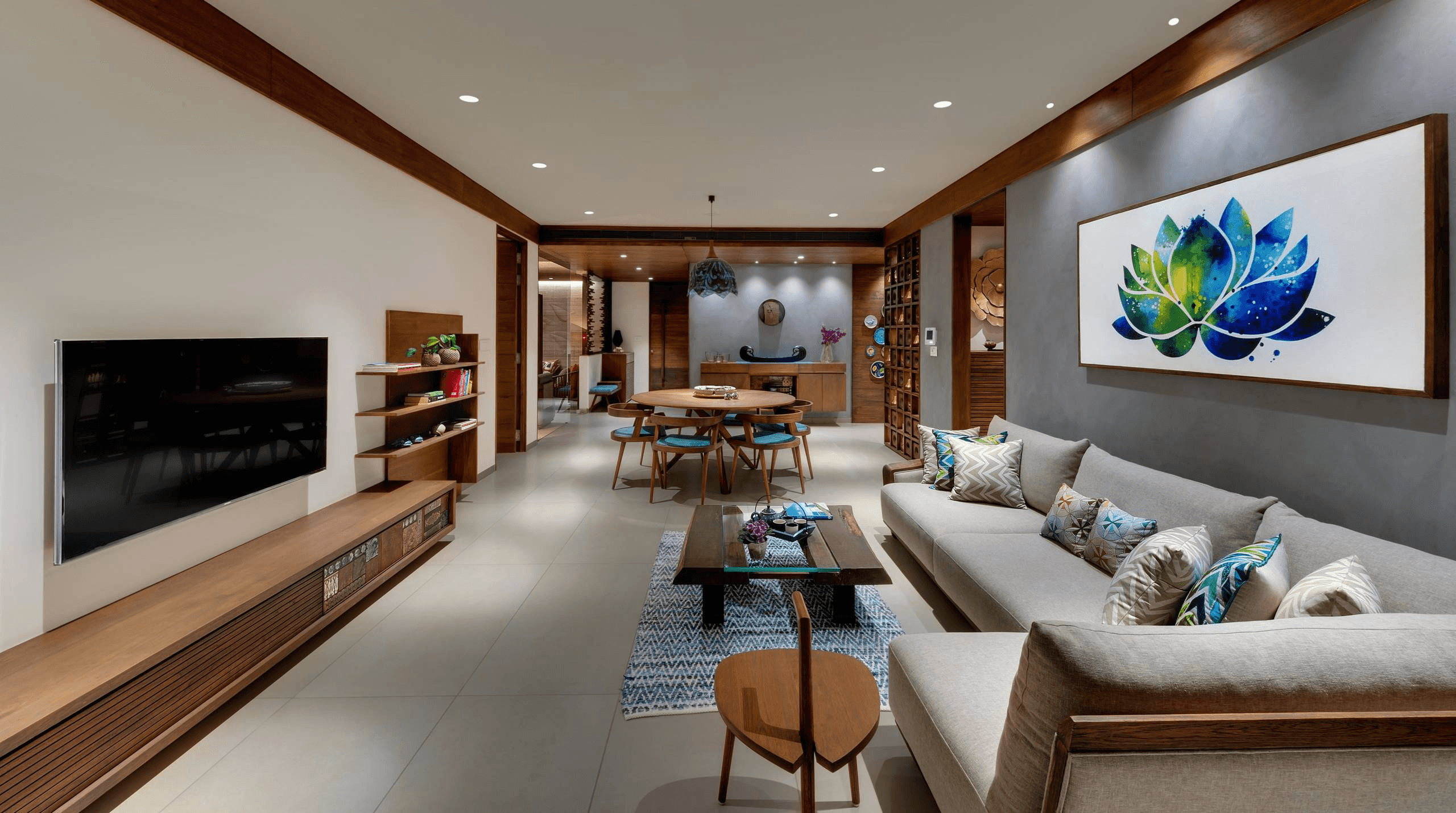
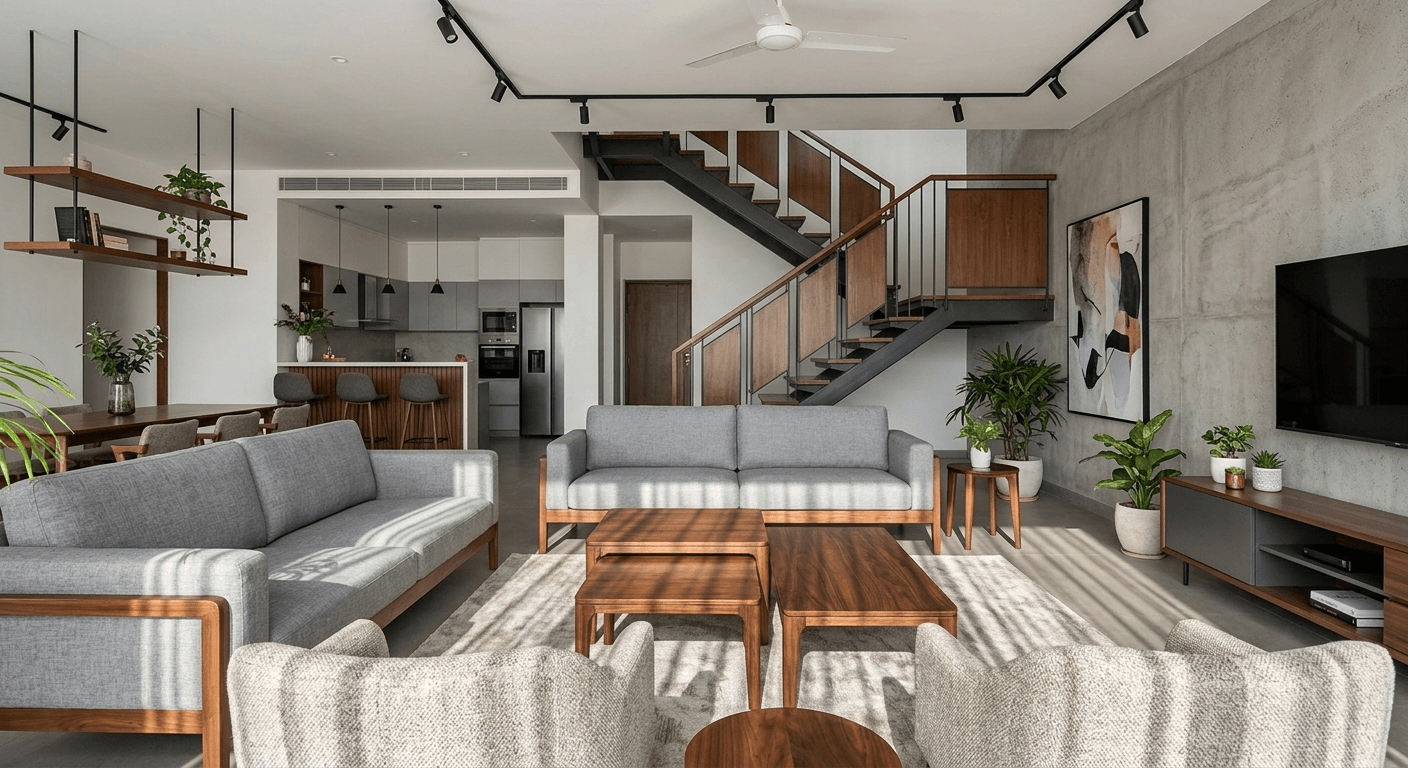
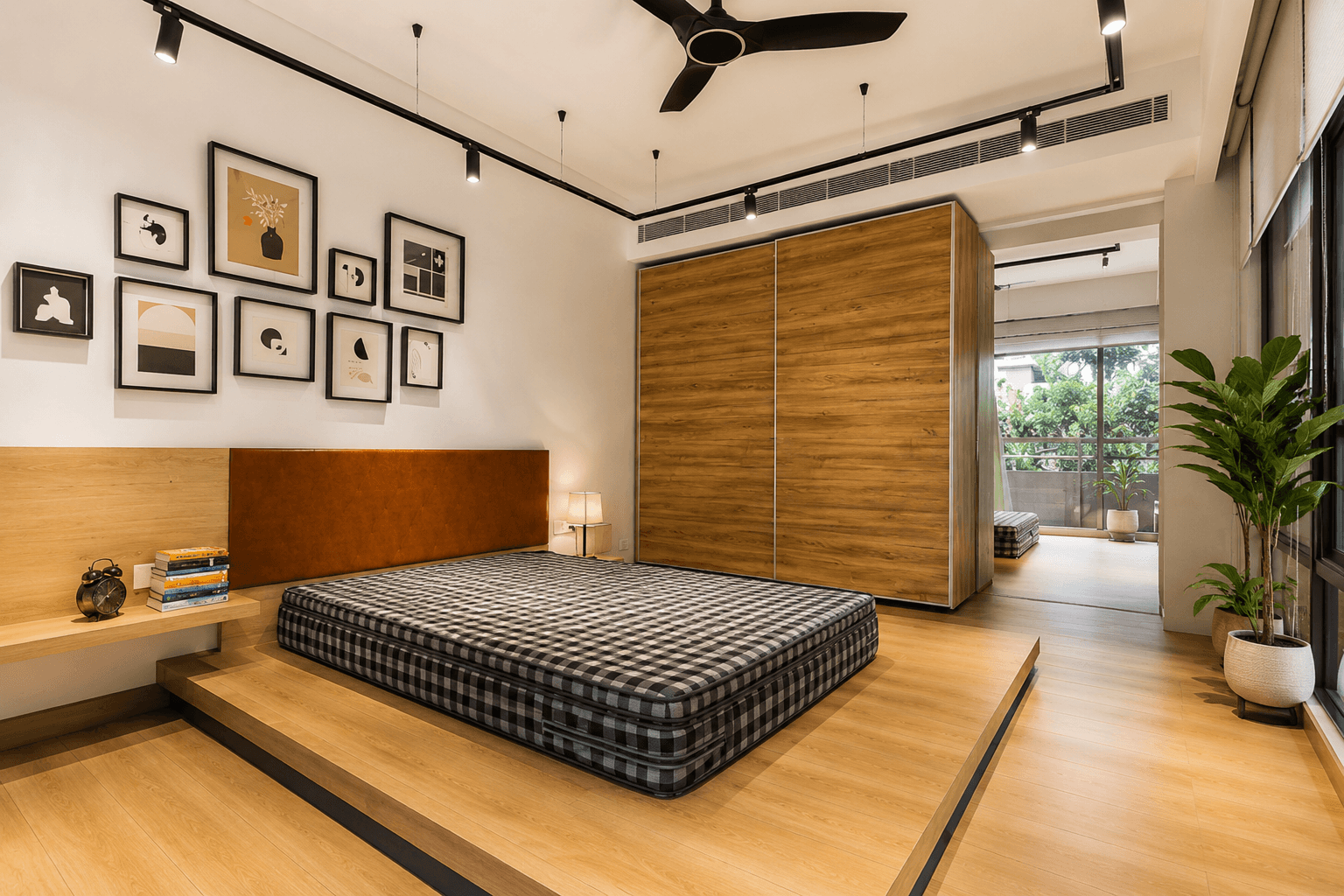
For most homes in Ahmedabad, laminate is the best all-round interior finish. It handles Gujarat’s heat, dust, and monsoon humidity better than PU or veneer, requires almost zero maintenance, and costs significantly less. PU finish is the right choice when you want a seamless, premium look for bedroom wardrobes or living room cabinets in a dry, air-conditioned room. Veneer is the best choice for statement surfaces like living room wall panels or headboards where authentic natural wood warmth is the design goal. The smartest home interiors in Ahmedabad use all three finishes — each in the zone where it performs best.
Why This Guide Exists?
Every week, homeowners planning modular kitchens, wardrobes, TV units, and wall panels across Ahmedabad ask us the same question: should I go with laminate, PU finish, or veneer?
Most contractors will push one finish over another based on what they stock or what earns them a better margin. At Ahmedabad Interior Designer, we believe you deserve an unbiased, experience-backed answer before you spend a single rupee.
This guide is built on 15 years and 500+ interior projects completed across Ahmedabad — Satellite, SG Highway, Bodakdev, Prahlad Nagar, Navrangpura, Vastrapur, Bopal, Chandkheda, Naroda, Gota, and Thaltej. We cover material composition, real durability data, Ahmedabad-specific climate performance, 2026 pricing, and a room-by-room finish recommendation so you can walk into any contractor meeting with complete confidence.
What is Laminate Finish? — The Workhorse of Indian Home Interiors
Laminate is the most widely used interior finish across Indian homes — and in Ahmedabad, it dominates the market for very good reason. It is manufactured by pressing multiple layers of kraft paper and synthetic resin under high heat and pressure into a hard, dense decorative sheet. This sheet is then bonded onto a substrate — plywood or MDF — to form the surface of furniture shutters, kitchen cabinets, wardrobe panels, and wall units.
Laminate is available in hundreds of colours, textures, and surface effects including matte, high-gloss, wood grain, stone texture, fabric finish, and metallic effects. Leading laminate brands available through Ahmedabad Interior Designer include Merino, Greenlam, Century, Virgo, and Sundek — all ISI-marked with verified durability ratings.
Advantages of Laminate Finish
Laminate offers the best scratch resistance of all three finishes, making it the ideal choice for daily Indian kitchen and wardrobe use. It provides high moisture resistance, performing reliably through Ahmedabad’s humid monsoon months without warping or swelling. Laminate is the easiest interior finish to clean — a damp cloth is all it takes to restore the surface after heavy use. It offers the widest range of design options of any finish, with consistent, uniform appearance across every panel in a project. It is the most affordable interior finish available — delivering the best cost-to-durability ratio for homeowners in Ahmedabad across all budget segments.
Disadvantages of Laminate Finish
Laminate cannot be repaired if chipped or peeled — the damaged sheet must be fully replaced, which is why quality of installation matters. Edges require proper edge banding treatment for a clean, finished appearance. Laminate cannot replicate the authentic warmth and organic texture of real natural wood grain. Low-quality laminates from unbranded sources may bubble or delaminate over time — always insist on ISI-marked laminates from established brands when working with any interior designer in Ahmedabad.
Where Laminate Works Best in Ahmedabad Homes
Laminate is the ideal interior finish for modular kitchens, wardrobes, study tables, TV units, kids room furniture, home office desks and storage, and any surface that faces daily wear and regular cleaning. It is the go-to finish recommendation by Ahmedabad Interior Designer for all practical zones in a home regardless of budget level.
What is PU Finish? — The Seamless Premium Look
PU, or Polyurethane finish, is a paint-based surface treatment applied over MDF or plywood by spraying multiple coats of polyurethane paint, sanding between each coat, and buffing to a flawless seamless surface with no visible joints, grain texture, or panel breaks.
PU finish is available in high-gloss and soft-matte variants and can be precisely matched to any custom RAL or Pantone colour shade, making it the preferred choice for modern, minimalist, and luxury residential interiors across Ahmedabad’s premium housing developments on SG Highway, Prahlad Nagar, Bodakdev, and Sindhu Bhavan Road.
Advantages of PU Finish
PU finish delivers the cleanest, most seamless surface of all three interior finishes. It is available in both high-gloss and soft-matte options, suiting both contemporary bold aesthetics and understated luxury interiors. Because it is a custom spray-applied paint, it can be colour-matched precisely to any shade — including exact RAL or Pantone references for brand-specific or architect-specified projects. It creates a furniture-grade, premium appearance on wardrobes and cabinets that photographs exceptionally well and reads as high-end in any interior. The polyurethane coating provides a durable protective layer resistant to everyday household contact and moderate wear.
Disadvantages of PU Finish
PU finish is more expensive than laminate due to higher material cost and the requirement for skilled spray application. It shows fingerprints and smudges easily in high-gloss variants, which requires regular wiping in living areas. Scratches on PU surfaces are more visible than on laminate and difficult to touch up without professional intervention. Application quality is highly dependent on the applicator — uneven coating, dust contamination, or high humidity during application can ruin an expensive finish. PU finish is not suitable for areas with regular moisture exposure such as kitchens near sinks or hobs.
Where PU Finish Works Best in Ahmedabad Homes
PU finish is the right choice for master bedroom wardrobes in premium projects, living room TV unit cabinets, kitchen shutters in dry zones away from water contact, and any statement piece where a clean, contemporary, seamless look is the design priority. Ahmedabad Interior Designer recommends PU finish exclusively for dry, preferably air-conditioned spaces.
What is Veneer Finish? — The Authentic Natural Wood Choice
Veneer is a thin slice of real natural wood — typically 0.5mm to 3mm thick — bonded onto plywood or MDF to give furniture the authentic look, tactile grain, and organic warmth of solid wood at a fraction of solid wood cost. Because each veneer sheet is sliced from a real tree, no two panels have identical grain patterns — giving veneered furniture its unique, living character that no synthetic finish can reproduce.
After bonding, veneer surfaces are sealed and polished using PU polish or lacquer to protect the wood and bring out its natural depth and lustre. Common wood species used in Ahmedabad’s premium interior projects include teak, walnut, oak, wenge, maple, and rosewood — each with its own distinctive grain character and colour warmth.
Advantages of Veneer Finish
Veneer provides authentic natural wood grain that is genuinely impossible to replicate with any synthetic interior finish — laminate wood-grain prints, however good, remain recognisably artificial under close inspection. Veneer adds warmth, depth, and organic texture to a space that transforms the overall feel of a room. It has timeless appeal that suits both traditional Gujarati design sensibilities and contemporary modern interiors. Veneer is the only interior finish that can be re-polished and fully refinished if the surface dulls or weathers over time — making it potentially the longest-lasting finish when properly maintained. It is more eco-friendly than solid wood furniture, using real wood far more efficiently.
Disadvantages of Veneer Finish
Veneer is the most expensive of the three interior finishes. It requires regular maintenance and periodic re-polishing to retain its appearance and protective seal. It is not moisture-resistant and must never be used in kitchens, bathrooms, or any zone with regular water contact. The final quality of veneer finish depends heavily on the skill of the polisher — poor application on expensive material is a costly mistake that Ahmedabad Interior Designer takes great care to avoid. Colour and pattern options are limited compared to laminate or PU since veneer is constrained to naturally occurring wood species and grain patterns.
Where Veneer Works Best in Ahmedabad Homes
Veneer is best reserved for statement surfaces where natural wood aesthetics are the primary design goal — living room feature walls, luxury designer wardrobes, master bedroom headboards, decorative panel cladding, premium TV unit accent panels, and high-end office interiors. Ahmedabad Interior Designer never recommends veneer for kitchens, bathrooms, or any wet or semi-wet zone.
Laminate vs PU vs Veneer — Full Comparison Table (2026)
| Feature | Laminate | PU Finish | Veneer |
|---|---|---|---|
| Material | Synthetic resin and paper layers | Polyurethane spray paint on MDF | Thin real wood slice on substrate |
| Appearance | Patterns, textures, wood grain prints | Seamless gloss or matte, no texture | Authentic natural wood grain |
| Surface Hardness | Very High | High | Moderate |
| Scratch Resistance | Excellent | Moderate | Low to Moderate |
| Moisture Resistance | High | Moderate | Low |
| Ahmedabad Climate Suitability | Excellent | Good in AC rooms only | Use only in AC rooms, re-polish every 3–5 years |
| Maintenance Required | Very Low | Low to Moderate | High |
| Repairability | Replace full sheet | Difficult professional touch-up | Can be fully re-polished and restored |
| Colour and Design Range | Widest — hundreds of options | Any custom colour — unlimited | Limited to natural wood species |
| Cost per sq ft Ahmedabad 2026 | ₹80 – ₹250 | ₹250 – ₹600 | ₹350 – ₹900+ |
| Lifespan with maintenance | 15–20 years | 8–12 years | 20+ years if re-polished |
| Best Use Zones | Kitchens, wardrobes, all rooms | Wardrobes, cabinets, dry living areas | Feature walls, headboards, luxury panels |
| Our Verdict | Best overall value and durability | Best seamless premium look | Best natural luxury aesthetic |
Laminate vs PU vs Veneer — Cost in Ahmedabad 2026
All pricing below is based on active procurement data from ongoing Ahmedabad Interior Designer projects, May 2026. Prices vary based on brand, material grade, design complexity, and applicator experience.
Laminate Cost in Ahmedabad
Laminate is the most cost-effective interior finish available in Ahmedabad. Entry-level laminates from standard ranges start at ₹80 per sq ft and are fully suitable for budget home projects. Mid-range designer laminates with textured, wood-grain, or stone-effect finishes cost ₹120–₹180 per sq ft. Premium high-gloss, metallic, or designer collection laminates from brands like Merino or Greenlam Designer range up to ₹250 per sq ft. Very low installation cost and near-zero ongoing maintenance make laminate the best long-term cost value for the majority of Ahmedabad homeowners across all budget levels.
PU Finish Cost in Ahmedabad
PU finish costs more than laminate because it requires skilled spray application, multiple coats with sanding between each, controlled application conditions, and experienced labour. Standard matte or satin PU finish in Ahmedabad costs ₹250–₹400 per sq ft. High-gloss PU with premium clear coat or custom RAL colour ranges from ₹400–₹600 per sq ft. Applicator skill directly determines final quality — Ahmedabad Interior Designer works exclusively with certified PU spray applicators to guarantee a defect-free finish on every project.
Veneer Finish Cost in Ahmedabad
Veneer is the most expensive interior finish due to the cost of real natural wood and the high level of craftsmanship required for correct application and polishing. Common teak or commercial-grade veneer in Ahmedabad starts at ₹350 per sq ft. Mid-range species such as oak or walnut typically fall in the ₹500–₹700 per sq ft range. Premium species like figured walnut, wenge, or exotic rosewood can exceed ₹900 per sq ft. The final PU polish or lacquer coat adds further material and skilled labour cost on top of the veneer itself.
How Ahmedabad’s Climate Affects Your Interior Finish Choice
This is the section that most interior design guides in India skip entirely — and it is one of the most practically important factors for homeowners in Ahmedabad specifically.
Ahmedabad has a hot semi-arid climate. Summers regularly reach 42–45°C with surface temperatures near west-facing windows frequently exceeding 50°C. The monsoon season brings 70–85% relative humidity for two to three months every year. Hard water is prevalent across most of Ahmedabad’s residential areas. Dust levels are consistently high year-round due to the city’s geography and construction activity.
Each of these conditions affects interior finishes in ways that general guides written for Mumbai, Bangalore, or Delhi do not account for.
Laminate in Ahmedabad’s climate performs excellently across all conditions. High-quality ISI-marked laminate handles sustained heat exposure, monsoon humidity, hard water splashes, and high dust without warping, bubbling, swelling, or discolouring. It is the most climate-resilient interior finish for Ahmedabad homes and the finish Ahmedabad Interior Designer uses in all high-exposure zones regardless of project budget.
PU finish in Ahmedabad’s climate performs well specifically in air-conditioned rooms. In non-AC spaces during peak Ahmedabad summer, PU surfaces exposed to direct sunlight near west-facing windows can soften microscopically under extreme sustained heat, which over time may cause hairline surface stress. During monsoon, high ambient humidity without climate control can affect the adhesion of the polyurethane coating if the space is not sealed. Ahmedabad Interior Designer recommends PU finish only for rooms with consistent air conditioning — master bedrooms, living rooms, and home offices in well-insulated homes.
Veneer in Ahmedabad’s climate is the most vulnerable of the three finishes. Ahmedabad’s monsoon humidity causes natural wood veneer to absorb atmospheric moisture, which leads to dimensional swelling, panel warping, and adhesive failure — particularly in non-AC spaces or rooms that are inconsistently climate-controlled. Veneer in any Ahmedabad home must be in a consistently air-conditioned, humidity-controlled room, must be sealed with a high-quality PU polish at the time of installation, and must be professionally re-polished every three to five years to maintain the protective moisture barrier. Without this maintenance, even expensive veneer will deteriorate.
Room-by-Room Interior Finish Guide for Ahmedabad Homes
Modular Kitchen — Laminate (Always)
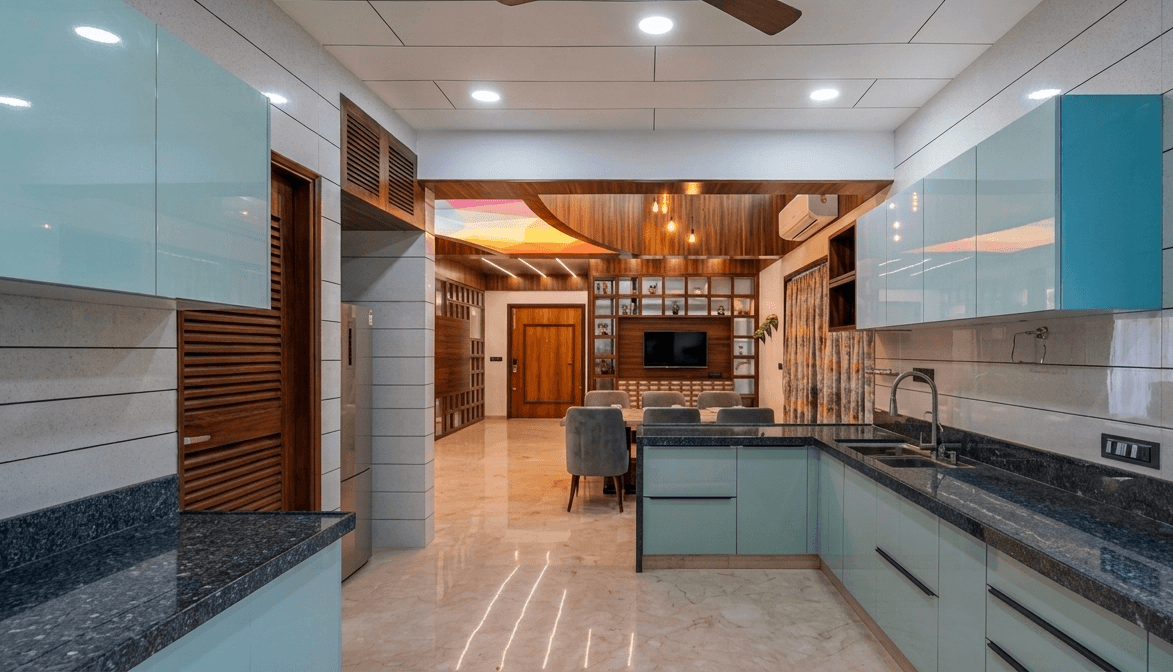
Laminate is the only practical interior finish for modular kitchens in Ahmedabad. It handles daily cooking heat, oil splashes, steam, hard water contact from the sink area, and vigorous cleaning without deteriorating, staining, or warping over time. High-gloss laminate gives you a premium-looking kitchen surface at a fraction of PU cost with significantly better durability in a wet environment. Ahmedabad Interior Designer has completed over 200 modular kitchen projects in Ahmedabad — every single one uses laminate shutters. Never use veneer in a kitchen. It will begin deteriorating within two monsoon seasons.
Master Bedroom Wardrobe — PU Finish or Premium Laminate
For a premium, seamless wardrobe appearance in an air-conditioned master bedroom, PU finish in soft matte white, warm grey, or sage is unbeatable — it delivers a furniture-grade clean look that photographs beautifully and feels genuinely luxurious. For homeowners who prioritise durability and ease of maintenance alongside a premium look, high-quality laminate in a solid tone or subtle linen texture is equally beautiful, more scratch-resistant, and significantly more affordable. Ahmedabad Interior Designer recommends PU for premium projects and laminate for all other budget levels.
Living Room TV Unit — PU Finish Base with Veneer Accents
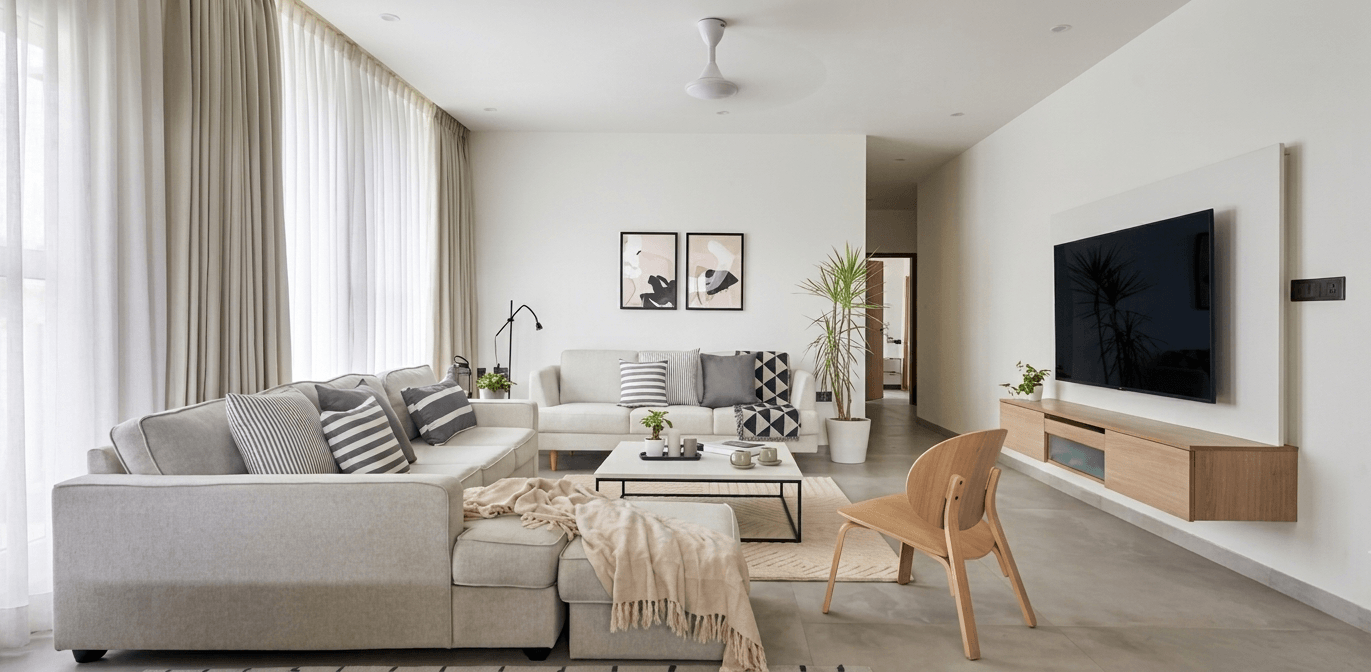
The TV unit is one of the most visually prominent pieces of furniture in an Ahmedabad home and one of the most photographed. Use PU finish as the base surface for a clean, seamless, contemporary look. Add veneer accent panels flanking the TV recess or on the lower unit faces for natural wood warmth and visual depth. This combination delivers a result that looks genuinely high-end without the full cost of an all-veneer unit — and it is one of Ahmedabad Interior Designer’s most recommended living room design approaches.
Living Room Feature Wall — Veneer
The living room feature wall is the ideal application for veneer in an Ahmedabad home. It is a dry, low-touch surface, typically in an air-conditioned space, with no moisture exposure. Veneer’s authentic natural grain creates visual depth and warmth that no synthetic finish — however well-printed — can replicate. This is where veneer earns its premium cost and delivers genuine design value.
Kids Room — Laminate (Only Option)
Laminate is the only sensible choice for a kids room interior in Ahmedabad. It handles crayon marks, water bottle spills, school bag scraping, and rough daily contact without showing permanent damage. It is the easiest surface to clean, available in bright fun colours and playful textures, and the most cost-effective option — which matters in a room that will likely need redesigning as the child grows.
Home Office — Laminate or PU Finish
For desks, bookshelves, and storage units in a home office, laminate is the practical, durable, low-maintenance choice. For a corporate, focused aesthetic with seamless surfaces and a clean visual environment, PU finish in matte white, charcoal, or warm grey delivers a professional result that helps create the right psychological environment for work.
Master Bedroom Headboard — Veneer
A veneer headboard in a consistently air-conditioned master bedroom is one of the highest-impact design statements available in residential interior design in Ahmedabad. The natural wood grain adds organic warmth to the bedroom that no painted laminated or PU surface can match. Combined with indirect LED lighting behind the headboard panel, a veneer headboard becomes the defining feature of a luxury master bedroom.
Room-by-Room Finish Recommendation Summary
| Room | Recommended Finish | Reason |
|---|---|---|
| Modular Kitchen | Laminate | Best moisture, heat, and scratch resistance. Easy maintenance. |
| Master Bedroom Wardrobe | PU Finish or Laminate | PU for seamless luxury. Laminate for durability and value. |
| Living Room TV Unit | PU Finish + Veneer accents | Seamless base with natural wood warmth on accent panels. |
| Living Room Feature Wall | Veneer | Authentic wood grain — maximum visual impact in a dry zone. |
| Kids Room | Laminate | Durable, easy to clean, fun colours, budget-friendly. |
| Home Office | Laminate or PU | Laminate for practicality. PU for clean corporate aesthetic. |
| Master Bedroom Headboard | Veneer | Organic luxury warmth — the focal point of the room. |
| Bathroom Vanity | Laminate only | Veneer and PU will not survive bathroom moisture. |
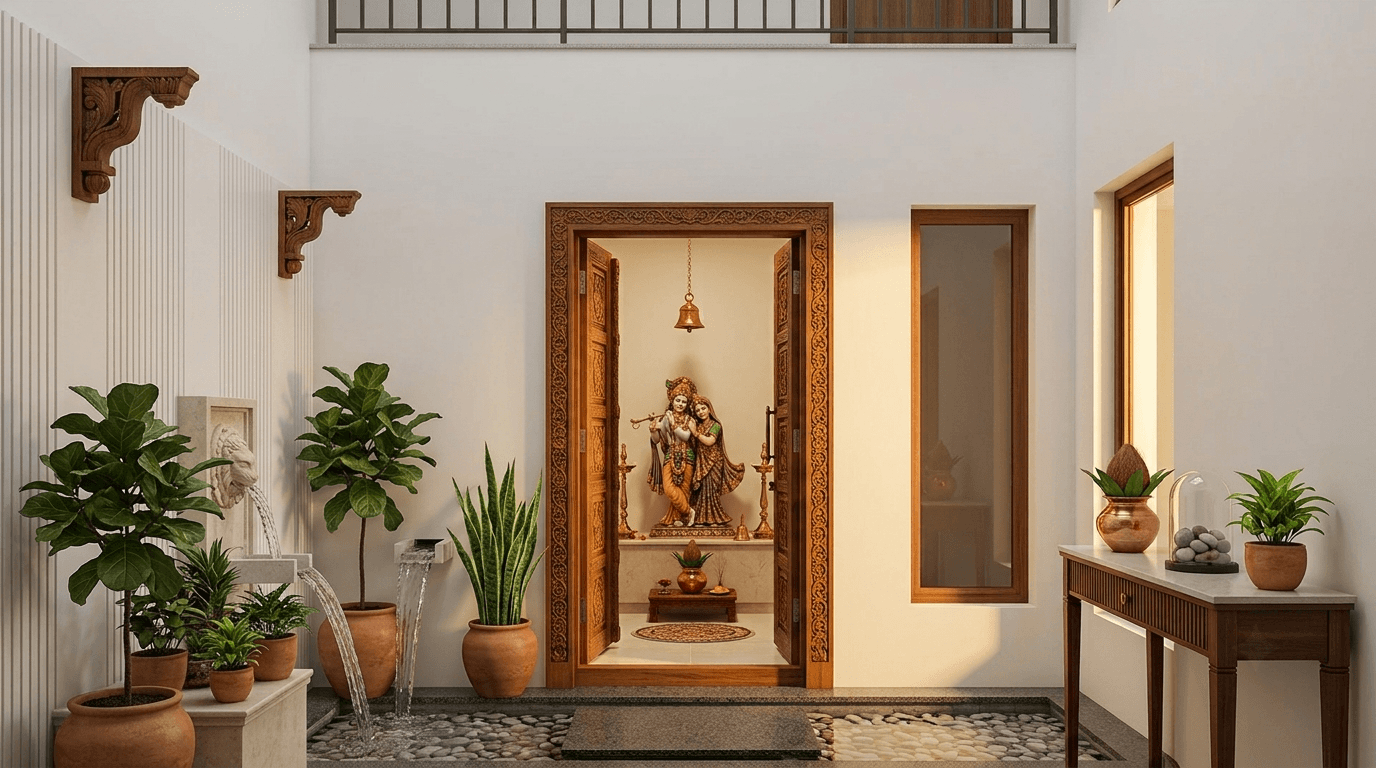
| Pooja Room | Laminate or Veneer | Laminate for durability. Veneer for traditional warmth if AC room. |
| Balcony or Semi-Outdoor | Laminate only | Only laminate handles outdoor humidity and temperature swings. |
Frequently Asked Questions
Which finish is best for modular kitchens in Ahmedabad?
Laminate is the best finish for modular kitchens in Ahmedabad without exception. It resists moisture, oil, heat, steam, and hard water better than PU or veneer, requires almost no maintenance beyond regular wiping, and costs significantly less than both alternatives. For a high-gloss kitchen look, choose high-gloss laminate — it delivers a premium aesthetic at far better durability and lower cost than PU finish in a kitchen environment.
Is PU finish more durable than laminate?
No. Laminate is more durable than PU finish in terms of surface hardness and scratch resistance. PU finish delivers a smoother, more premium seamless appearance but shows scratches, fingerprints, and surface wear more easily than laminate in daily use. Choose laminate where durability and low maintenance are the priority. Choose PU finish where a flawless, seamless aesthetic is the primary goal and the surface will be in a protected, dry environment.
Can veneer be used in a kitchen in Ahmedabad?
No. Veneer should never be used in a kitchen, and this is especially true in Ahmedabad where daily cooking involves high heat, steam, oil splash, and water contact near the sink and hob. Ahmedabad’s monsoon humidity will cause veneer to absorb moisture, swell, and deteriorate rapidly in any kitchen environment. If you want a natural wood look in your modular kitchen, choose high-quality wood-grain laminate — it delivers a convincing aesthetic without any of the maintenance or durability problems of real veneer.
Which interior finish looks the most premium?
For natural, organic luxury — the look of genuine wood grain with warmth and depth — veneer is the most premium interior finish available. For a sleek, seamless, contemporary furniture-grade look with no visible texture or joints, PU finish in high-gloss or soft matte is the preferred choice. Both are used extensively in high-end residential and hospitality interior projects by Ahmedabad Interior Designer across premium localities including Prahlad Nagar, Bodakdev, SG Highway, and Sindhu Bhavan Road.
Can laminate, PU finish, and veneer all be used in the same home?
Yes — and this is exactly what Ahmedabad Interior Designer recommends for every home project. Using each finish in the zone where it performs best maximises durability, aesthetics, and budget efficiency across the entire home. A typical Ahmedabad home project uses laminate throughout the kitchen, all wardrobes and functional furniture; PU finish for living room cabinets and master bedroom wardrobe in premium projects; and veneer on the living room feature wall, headboard, or TV unit accent panels.
What is the lifespan of laminate, PU finish, and veneer in Ahmedabad?
Good quality ISI-marked laminate lasts 15–20 years with minimal maintenance in Ahmedabad. PU finish typically lasts 8–12 years before it may need professional touch-up or re-application. Veneer, when correctly installed in a climate-controlled room and professionally re-polished every 3–5 years, can last 20 years or more — and is the only interior finish that can be fully refinished to look completely new again after years of use.
What is the cost of laminate, PU finish, and veneer in Ahmedabad in 2026?
As of May 2026, laminate costs ₹80–₹250 per sq ft in Ahmedabad depending on brand and finish type. PU finish costs ₹250–₹600 per sq ft depending on gloss level, colour complexity, and applicator experience. Veneer finish costs ₹350–₹900+ per sq ft depending on wood species and polishing method. All pricing is based on current market procurement data from active Ahmedabad Interior Designer projects.
Which finish is best for wardrobes in Ahmedabad?
For wardrobes in Ahmedabad, the best finish depends on your room type and budget. PU finish in matte or gloss delivers the most premium, seamless wardrobe look and is ideal for air-conditioned master bedrooms in premium homes. Laminate in a solid colour or subtle texture is the most durable, practical, and cost-effective choice and is recommended for all other bedrooms and budgets. Veneer wardrobes are beautiful but require consistent climate control and regular maintenance to look their best.
Is veneer worth the cost in Ahmedabad?
Veneer is worth the cost in Ahmedabad when used correctly — meaning in air-conditioned rooms, on low-touch statement surfaces, with proper installation and regular maintenance. On a living room feature wall, a master bedroom headboard, or a luxury TV unit accent panel, veneer delivers a look and feel that no other finish can match at any price. Used in the wrong location — kitchens, non-AC rooms, or high-humidity areas — veneer becomes an expensive mistake. Ahmedabad Interior Designer always assesses the specific space before recommending veneer.
The Smart Combination Strategy — How Ahmedabad Interior Designer Approaches Every Project
The most successful home interiors in Ahmedabad — the ones that look genuinely premium without requiring an unlimited budget — use all three finishes strategically. This is the exact approach Ahmedabad Interior Designer applies across every home project.
Use laminate for the modular kitchen, all wardrobes in secondary bedrooms, kids room furniture, home office storage, and any surface that needs to handle daily wear. This is where laminate saves budget without compromising quality.
Use PU finish for the master bedroom wardrobe if budget allows a seamless premium look, the living room TV unit base, and any cabinet that serves as a visual focal point in a dry, air-conditioned room. This is where PU finish earns its higher cost.
Use veneer for one or two carefully chosen statement surfaces — the living room feature wall, the master bedroom headboard, or luxury TV unit accent panels — where its authentic natural grain creates visual depth and warmth that elevates the entire space. This is where veneer delivers maximum design impact for its investment.
This three-finish combination approach is how Ahmedabad Interior Designer delivers interiors that look far more expensive than their actual budget — and it is the recommendation we make to every homeowner across Ahmedabad and Gujarat.
Plan Your Home Interiors With Ahmedabad Interior Designer
If you are planning a modular kitchen, wardrobe, living room, or complete home interior project in Ahmedabad and want expert, unbiased guidance on which finish is right for each space in your specific home, the team at Ahmedabad Interior Designer is ready to help.
We offer free home consultations across all areas of Ahmedabad — SG Highway, Satellite, Bodakdev, Prahlad Nagar, Vastrapur, Navrangpura, Bopal, Chandkheda, Naroda, Gota, Thaltej, Mani Nagar, Vastral, and all surrounding areas — and across Gujarat including Surat, Vadodara, Rajkot, Gandhinagar, and Anand.