Hotel Interior Designer in Ahmedabad: Complete 2026 Guide (Cost, Process & What to Expect)
If you are building or refurbishing a hotel, resort, or boutique property in Ahmedabad, the single biggest mistake you can make is treating interior design as an afterthought. In a city where the hospitality market is expanding rapidly, from business hotels near GIFT City and SG Highway to heritage boutique stays in the old city, your interiors are your first impression, your TripAdvisor rating, and your repeat booking rate, all rolled into one.
This guide covers everything you need to know before hiring a hotel interior designer in Ahmedabad: what the process actually looks like, what it costs at every level, which design zones matter most, and what questions separate average firms from genuinely good ones.
Why Hotel Interior Design Is a Revenue Decision, Not Just an Aesthetic One
Most hotel owners think of interior design as an expense. The data says otherwise.
A well-designed hotel lobby increases average dwell time, which correlates with higher F&B spend. Guest rooms with layered lighting, proper acoustic treatment, and intuitive furniture layouts consistently generate better review scores, and in Ahmedabad’s competitive hospitality market, a 0.3-point improvement on Google or MakeMyTrip can meaningfully change occupancy. Boutique properties with a strong visual identity get shared on Instagram organically, generating marketing reach you cannot buy.
In short: your interior designer is one of the highest-ROI investments you will make in your property.
Book a Free Site Visit
Ahmedabad’s Hotel Market in 2026: What’s Actually Being Built
Ahmedabad is no longer just a transit city. It is now one of Gujarat’s primary business travel destinations, a major wedding and events hub, and an increasingly attractive leisure destination driven by heritage tourism in the old city and proximity to Statue of Unity, Modhera, and Rann of Kutch.
This means the city currently has active demand across three distinct hotel segments, each requiring a completely different design approach:
Business hotels along SG Highway, Prahlad Nagar, and the GIFT City corridor need interiors that communicate efficiency, comfort, and brand reliability. Corporate travellers judge a hotel in the first 90 seconds of entering the lobby.
Boutique and heritage properties in Manek Chowk, Lal Darwaza, and the old walled city are leveraging Ahmedabad’s UNESCO World Heritage City status. These spaces demand designs that honour Gujarat’s architectural identity, jharokha-inspired woodwork, handcrafted textiles, carved stone details, while delivering modern guest comfort.
Wedding and event hotels across the city need banquet halls and pre-function areas that are flexible, dramatically lit, and Instagram-worthy. Ahmedabad’s destination wedding segment has grown significantly, and properties that cannot photograph well are losing bookings to those that can.
Hotel Interior Design Cost in Ahmedabad: 2026 Honest Pricing
The most common question we receive is: how much does hotel interior design actually cost? Here is a transparent breakdown by property type, based on current Ahmedabad market rates.
| Property Type | Cost Per Sq Ft | What It Includes |
|---|---|---|
| Budget / 2-Star Hotels | ₹1,200 – ₹2,000 | Functional layouts, standard finishes, durable materials |
| Mid-Range / 3-Star Hotels | ₹2,000 – ₹4,000 | Better materials, custom furniture, brand-consistent design |
| Boutique Properties | ₹3,500 – ₹6,000 | Bespoke concepts, handcrafted elements, heritage detailing |
| Luxury / 5-Star Hotels | ₹6,000 – ₹10,000+ | Premium imported materials, smart tech, custom everything |
What actually drives the cost up or down:
The star rating of the property is only one factor. Material selection, whether you choose Italian marble or engineered stone, German hardware or domestic fittings, custom millwork or standard carpentry, can shift your budget by 40% within the same property category. The complexity of lighting design is another major variable: a hotel lobby with layered architectural lighting and automated scene controls costs significantly more to design and install than one with standard downlights. Finally, timeline matters, rushed projects almost always cost more due to expedited procurement and additional site management.
The 7 Design Zones That Make or Break a Hotel
Unlike residential design, hotel interior design is about engineering experiences across multiple distinct zones. Each zone has different performance requirements, and each one influences a different moment in the guest journey.
1. The Lobby & Reception
This is your handshake. Guests form a subconscious impression within seconds of entering. A lobby in Ahmedabad needs to account for climate transition, the contrast between outside heat (routinely 40°C+ in summer) and the cooled interior should feel deliberate and welcoming, not just functional. Grand ceiling heights, a statement lighting fixture, locally sourced stone or woodwork as a feature wall, and a reception desk that is easy to locate without being clinical, these are the elements that convert a check-in into an experience.
2. Guest Room Design
Guest rooms are where your TripAdvisor score is made or lost. The most common complaints in hotel reviews are about lighting (too harsh or too dim for working), storage (not enough, or badly placed), and mattress quality. A well-designed guest room resolves all three before a single guest arrives. Blackout curtains that actually seal at the edges, bedside USB charging integrated into the furniture design, and a desk with proper task lighting are details that budget hotels miss and that guests remember.
3. Restaurant & All-Day Dining
Dining spaces in Ahmedabad hotels serve two masters: hotel guests and walk-in local diners. A good restaurant interior needs to work for a solo business traveller at 7am and a family of eight celebrating an anniversary at 8pm. Acoustic management, often completely neglected in hotel restaurant design, is what separates a space that feels vibrant from one that feels chaotic.
4. Banquet & Event Spaces
Ahmedabad’s wedding and MICE market means your banquet spaces need to be photographically dramatic, operationally flexible, and acoustically managed. False ceilings that can be lit in multiple colour temperatures, pre-function areas that can double as cocktail spaces, and service access that doesn’t interrupt the event floor, these are non-negotiable for properties competing in the events segment.
5. Spa & Wellness Areas
Wellness spaces require the most careful material and lighting choices of any zone in the hotel. Humidity-resistant materials, non-reflective surfaces, and a lighting palette that shifts from energising (in changing areas) to deeply calming (in treatment rooms), getting this right requires genuine hospitality design experience, not just residential sensibility applied to a hotel context.
6. Corridors & Back-of-House Transitions
Corridors are where most hotel design budgets get cut first. This is a mistake. Guests spend more cumulative time in corridors than they do in the lobby. Good wayfinding design, consistent lighting levels that match the room’s warmth, and flooring that absorbs sound from foot traffic are investments that reduce complaints and increase perceived quality without requiring expensive materials.
7. Exterior & Approach Design
In a city that now competes for international tourism, the approach to your property — landscaping, drop-off zone, entrance canopy, facade lighting, is part of the design brief. Properties in Ahmedabad’s older areas that integrate heritage facade elements with modern signage and lighting create an immediate sense of place that chain hotels cannot replicate.
Our Hotel Interior Design Process
Every hotel project we take on at Ahmedabad Interior Designer follows a structured process that eliminates surprises and keeps your project on timeline and budget.
Discovery & Brief (Week 1–2): We begin by understanding your property’s positioning, star category, target guest profile, brand identity if applicable, and operational requirements (F&B, events, wellness). We also conduct a site survey to understand structural constraints, natural light patterns, and climate considerations specific to the location.
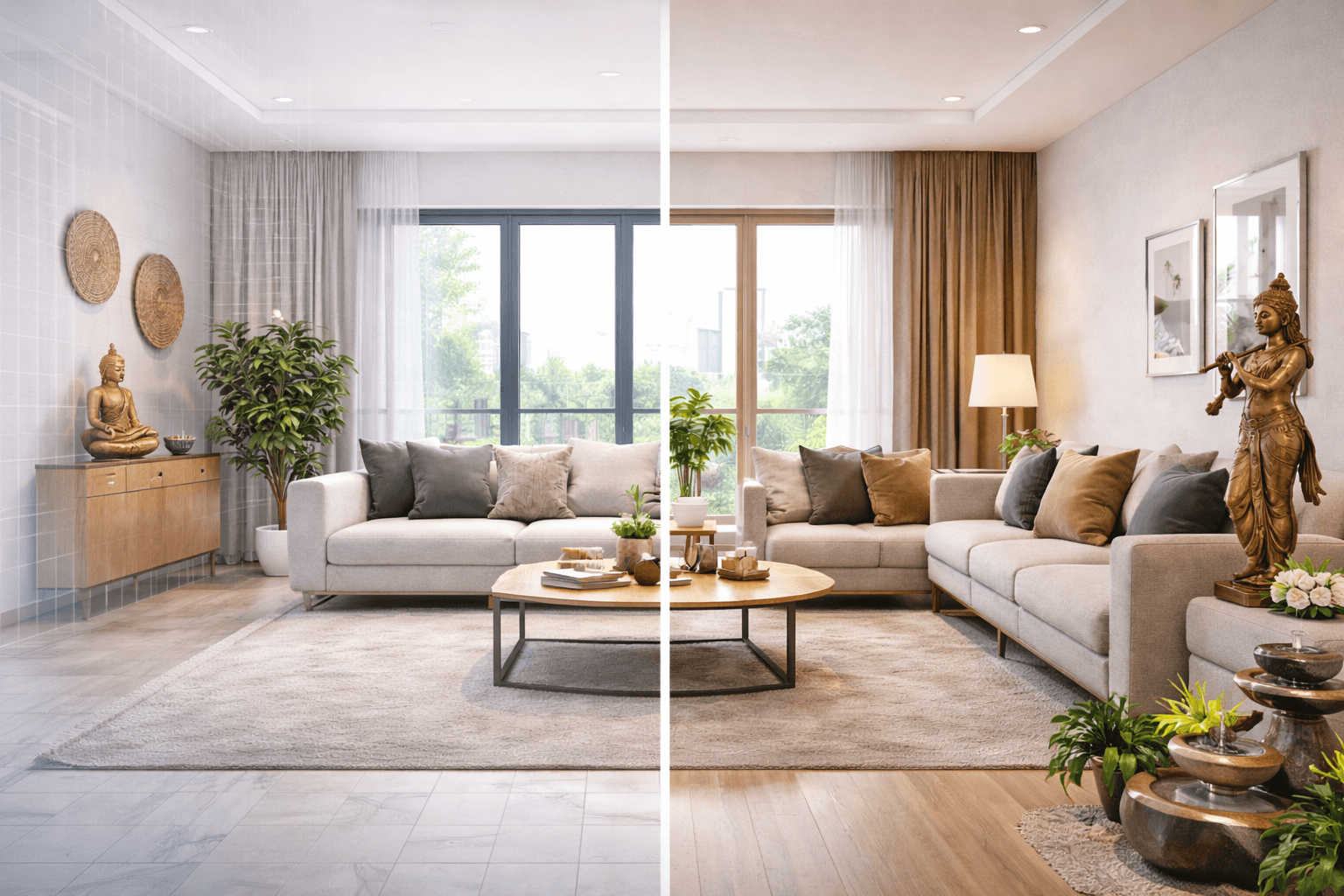
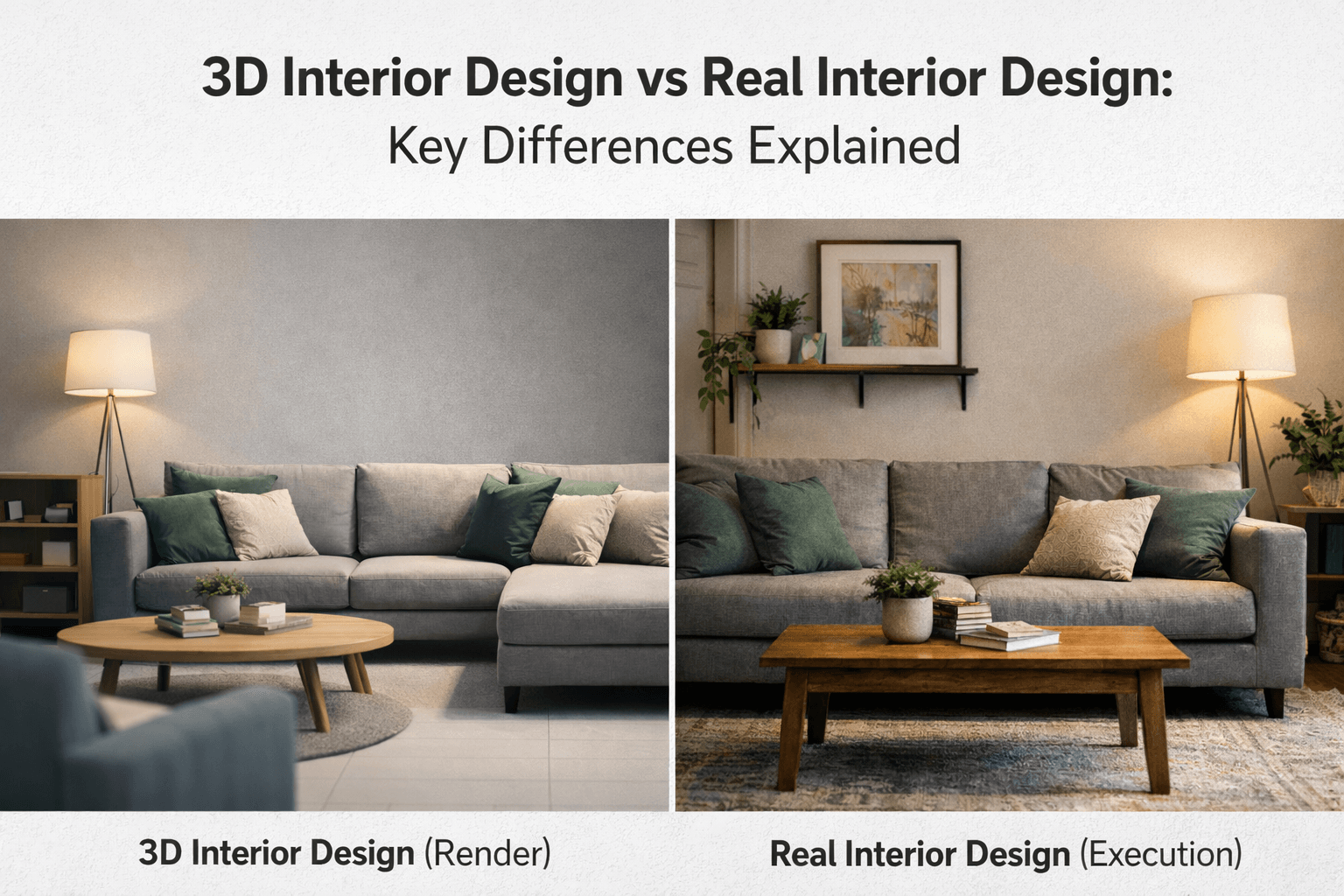
Concept Design & 3D Visualisation (Week 3–6): Before a single material is ordered or a single wall is touched, we present detailed 3D visualisations of every major zone. You see exactly what your lobby, guest rooms, restaurant, and banquet areas will look like. This stage eliminates costly redesigns during execution.
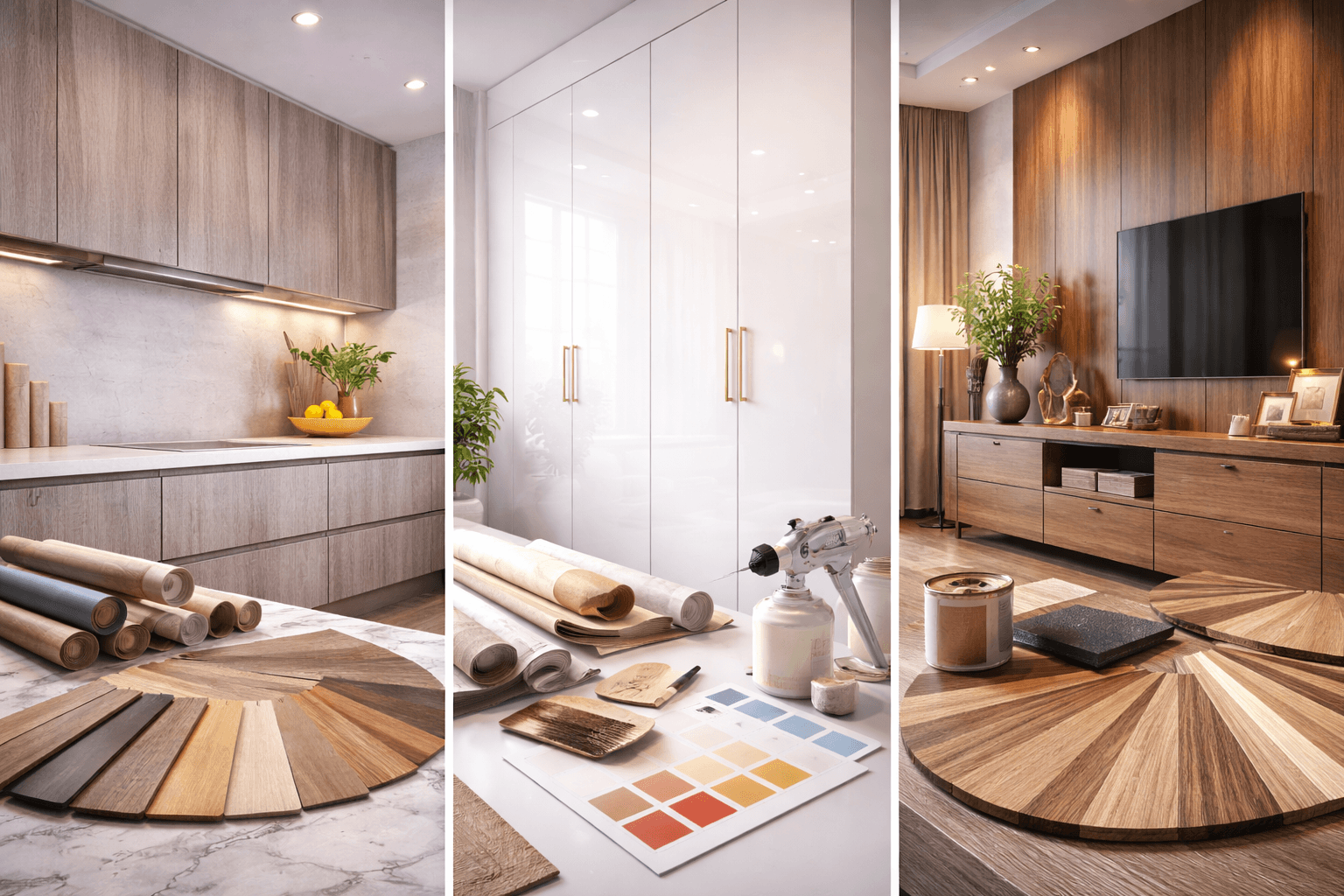
Material Selection & Procurement (Week 6–10): We curate material specifications, flooring, wall finishes, ceiling treatments, furniture, lighting, soft furnishings, and handle procurement. For hotel projects, we source from vendors with track records in hospitality-grade durability, not residential-grade finishes that deteriorate under daily commercial use.
Execution & Project Management (Weeks 10 onwards): Our team manages all contractors on site, civil, electrical, carpentry, MEP coordination, and finishing. A dedicated project manager is present at the site throughout execution, not just available on call.
Handover & Snagging: Before we hand over any zone, we conduct a structured snagging review, checking every fitting, finish, light fixture, and furniture piece against the approved design. Only after snagging is complete and all items are closed do we hand over.
Typical timelines: Small boutique property (8–20 rooms): 3–4 months. Mid-size hotel (20–60 rooms): 5–7 months. Large hotel or resort: 8–12 months.
What Separates Good Hotel Interior Designers From Average Ones
Hiring the wrong designer for a hotel project is far more expensive than paying a premium for the right one. Here is what to specifically evaluate before signing any agreement:
Hospitality-specific portfolio: A firm that is excellent at residential or corporate interiors is not automatically equipped for hotel design. Ask to see completed hotel or restaurant projects, not renders, actual completed spaces. If possible, visit one of their completed properties before committing.
Understanding of operational requirements: A great hotel designer knows that a restaurant’s kitchen pass-through affects the front-of-house layout. They know that housekeeping trolleys need corridor width that the fire code alone won’t specify. They design for how the hotel runs, not just how it photographs.
Material specifications for commercial use: Residential-grade materials fail quickly in hotel environments. Flooring, joinery finishes, fabric upholstery, and hardware all need commercial-grade specification. Ask your designer specifically about durability ratings on every material they propose.
Transparency on costs: A trustworthy firm will give you a detailed cost breakdown before execution begins, not a vague “it will cost around X.” You should know exactly what every zone costs before any work starts.
Hotel Interior Design Trends in Ahmedabad 2026
Gujarat cultural integration is now a differentiator, not an option. With Ahmedabad’s UNESCO World Heritage City status driving tourism, properties that authentically integrate local craft traditions, Patola textile patterns, Kutchi embroidery, carved teak jharokhas, stand out clearly from generic contemporary hotel design. This is especially powerful for boutique and mid-range properties that cannot compete with chain hotels on amenity but can compete on identity.
Biophilic design is expected, not impressive. Living walls, indoor plants, natural stone, and bamboo or rattan accents were novelties three years ago. Today, guests expect them. The differentiation has shifted to how well these elements are integrated, whether they feel deliberate or decorative.
Smart room technology is a baseline at 3-star and above. Automated lighting scenes, app-controlled AC, and USB-C integrated into furniture design are now standard expectations. Properties opening in 2026 without these features will be noted in reviews.
Hybrid spaces are driving renovation briefs. Post-pandemic work patterns mean hotels are being asked to design lobbies and lounges that function as co-working spaces during the day and social spaces in the evening. This requires more deliberate acoustic zoning and flexible furniture layouts than traditional hotel design.
Frequently Asked Questions
How much does hotel interior design cost in Ahmedabad?
Costs range from ₹1,200 per sq ft for budget properties to ₹10,000+ per sq ft for luxury hotels and resorts. The most important cost drivers are material selection, customisation level, and the complexity of lighting and technology integration. We provide a detailed zone-by-zone cost estimate before any work begins.
How long does a hotel interior project take in Ahmedabad?
A boutique property with 8–20 rooms typically takes 3–4 months from concept to handover. A mid-size hotel takes 5–7 months. Large hotels or resorts with complex zones (spa, multiple restaurants, banquet) should plan for 8–12 months. Timeline depends heavily on structural readiness of the site when design begins.
Can you design specific zones of a hotel rather than the full property?
Yes. We take on lobby renovations, restaurant redesigns, and guest room refurbishments as standalone projects. Many hotel owners start with a single high-visibility zone, usually the lobby or restaurant, and expand the scope once they see the results.
What is the difference between boutique hotel interior design and luxury hotel design?
Boutique hotel design prioritises a strong, unique identity, typically drawing on a cultural, historical, or conceptual theme, in a smaller, more intimate property. Luxury hotel design prioritises material quality, scale, technology integration, and brand consistency across a larger property. Budget is not the only differentiator; philosophy is.
Do you handle Vastu compliance in hotel design?
Yes. For hotel owners who require Vastu-compliant layouts, which is common in Ahmedabad, particularly for entrances, reception placement, and dining area orientation — we incorporate Vastu principles from the concept stage so compliance is built in, not retrofitted.
What areas in Ahmedabad do you serve for hotel projects?
We work across all of Ahmedabad and Gujarat, including SG Highway, Prahlad Nagar, GIFT City, old city heritage areas, Gandhinagar, and nearby resort destinations. We also take on projects in Surat, Vadodara, and other Gujarat cities.
How do I start a hotel interior design project with you?
The first step is a consultation, either in-person at your site or virtually. We discuss your property type, target guest profile, timeline, and budget. From there, we prepare a detailed project brief and initial cost estimate at no charge.
Ready to Start Your Hotel Interior Project in Ahmedabad?
Whether you are building a new boutique property near the old city, refurbishing a business hotel on SG Highway, or developing a resort outside the city, the right design partner makes the difference between a property guests return to and one they forget.
Call us: +91 85119 78199 Visit: Centre Point, Opposite Vrudavan Heights, Vandemataram Road, Gota, Ahmedabad – 382470
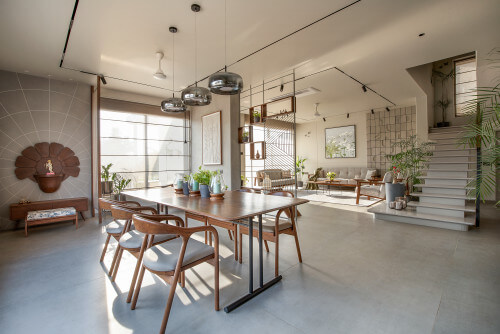
![Hotel Interior Designer in Ahmedabad [2026 Cost Guide]](https://ahmedabadinteriordesigner.in/wp-content/uploads/2026/03/Hotel-Interior-Designer-in-Ahmedabad.png)