What Makes a Good Dining Room Design?
The dining room is the heartbeat of every home. It is where families gather for daily meals, celebrate festivals, host friends, and share the stories of their day. No longer limited to formal dinners or occasional use, today’s dining areas serve multiple purposes — everyday meals, remote work, conversations, celebrations, and quiet moments alike. As lifestyles evolve, so do design priorities.
A well-designed dining room achieves three things simultaneously — it is functional enough for daily use, beautiful enough to impress guests, and comfortable enough to make every meal feel special. Whether you are designing a dedicated dining room in a large bungalow, a compact dining corner in a 2BHK flat, a combined open-plan living and dining space, or a formal dining hall for entertaining, the principles of good dining room interior design remain the same.
This complete, verified guide covers everything you need to know about how to design a dining room — from choosing the right dining room layout and furniture to selecting colours, lighting, flooring, storage solutions, and styling details for Indian homes and modern apartments.
Dining Room Design Quick Reference Summary
| Element | Key Guideline |
|---|---|
| Room Size (6-seater) | Minimum 12 x 14 ft (3.6 x 4.2 m) |
| Table Clearance | Minimum 36 inches all around the table |
| Table Shape | Round for small rooms; rectangular for large rooms |
| Space per Person | 24 inches of table width per diner |
| Pendant Light Height | 30–36 inches above the table surface |
| Light Colour Temperature | 2,700K–3,000K warm white |
| Rug Size | Extends 24–30 inches beyond table edge all sides |
| Best Wall Colours | Terracotta, sage green, warm beige, teal, warm white |
| Best Flooring | Vitrified tiles, hardwood, marble, terrazzo |
| Vastu Direction | West, south-east, or east of the home |
| Storage Essentials | Crockery unit, sideboard, or buffet cabinet |
| Common Mistake | Table too large; pendant too high; rug too small |
Step 1 — Plan Your Dining Room Layout and Dimensions
The first and most important step in dining room design is planning the right layout. Getting your dining room dimensions correct determines whether the space feels open and comfortable or cramped and awkward.
Standard Dining Room Dimensions:
A formal dining room should be at least 3.6 by 4.2 metres — or 12 by 14 feet — to comfortably accommodate a dining table with six chairs and adequate walking space on all sides.
Standard 14 ft x 10 ft dining rooms accommodate six-seater tables with 30 to 45 inches of clearance. An 8 ft x 14 ft space is suitable for a living-dining combo with a crockery unit.
Dining Room Clearance Rules — The Most Important Layout Principle:
One of the most important dining room layout rules is maintaining adequate clearance around the table. A minimum of 36 inches should be left between the table edge and walls or other furniture. This allows chairs to be pulled out comfortably. In dining rooms where people frequently walk behind seated diners, 42 to 48 inches of clearance is ideal.
Leave at least 36 inches between the table edge and any walls or other furniture for comfortable walking space. For chairs with armrests, factor in an extra 6 to 12 inches of clearance.
Simple Formula to Choose the Right Dining Table Size:
Your maximum dining table dimension equals your room dimension minus the minimum clearance for circulation — which is 3 feet or 90 cm. For example, if your room length is 10 feet, your maximum dining table length can be 7 feet — 10 ft minus 3 ft for circulation equals 7 ft.
Dining Room Layout Types:
For most Indian homes and apartments, there are four practical dining room layout options:
- Dedicated Dining Room — a separate enclosed room for dining, ideal for bungalows and large homes
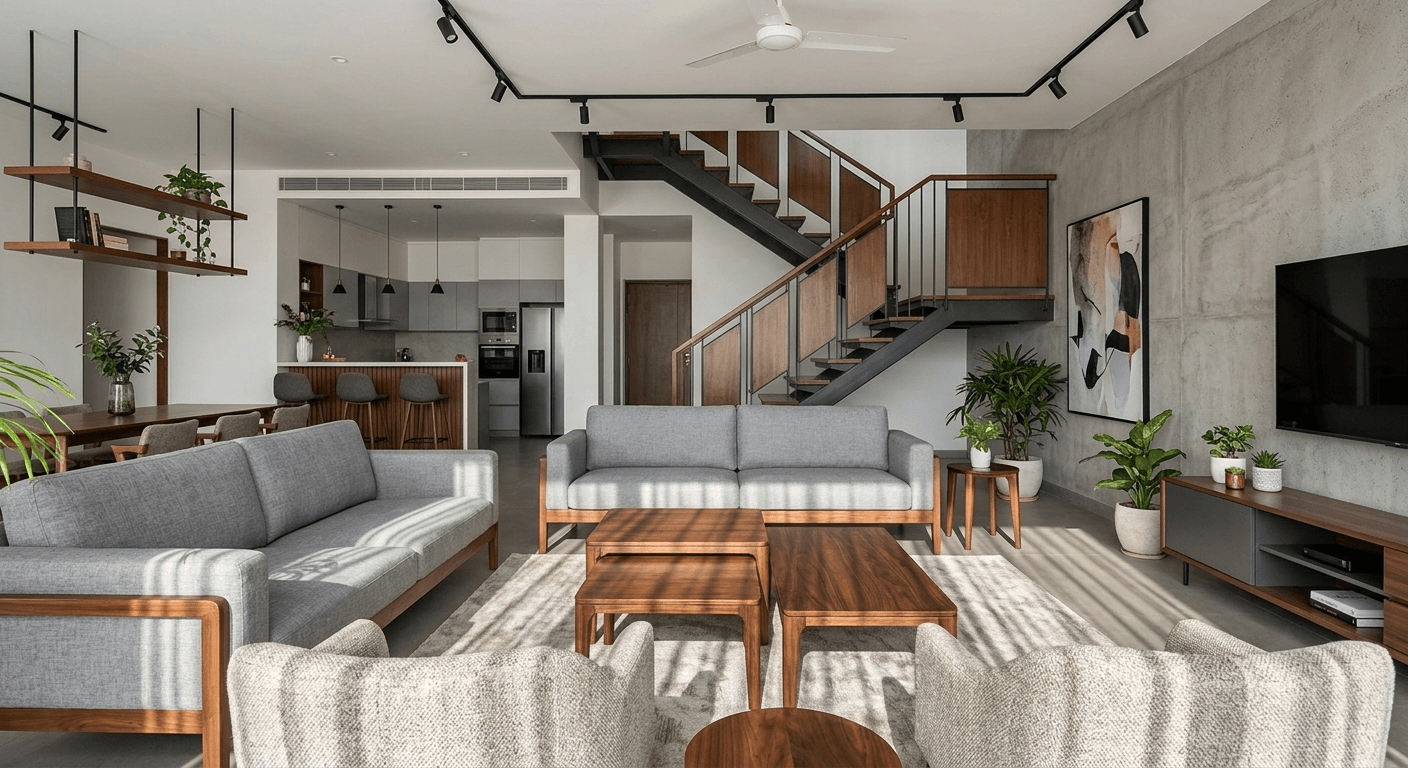
- Open-Plan Living-Dining — the dining area flows into the living room without walls, ideal for modern 2BHK and 3BHK flats
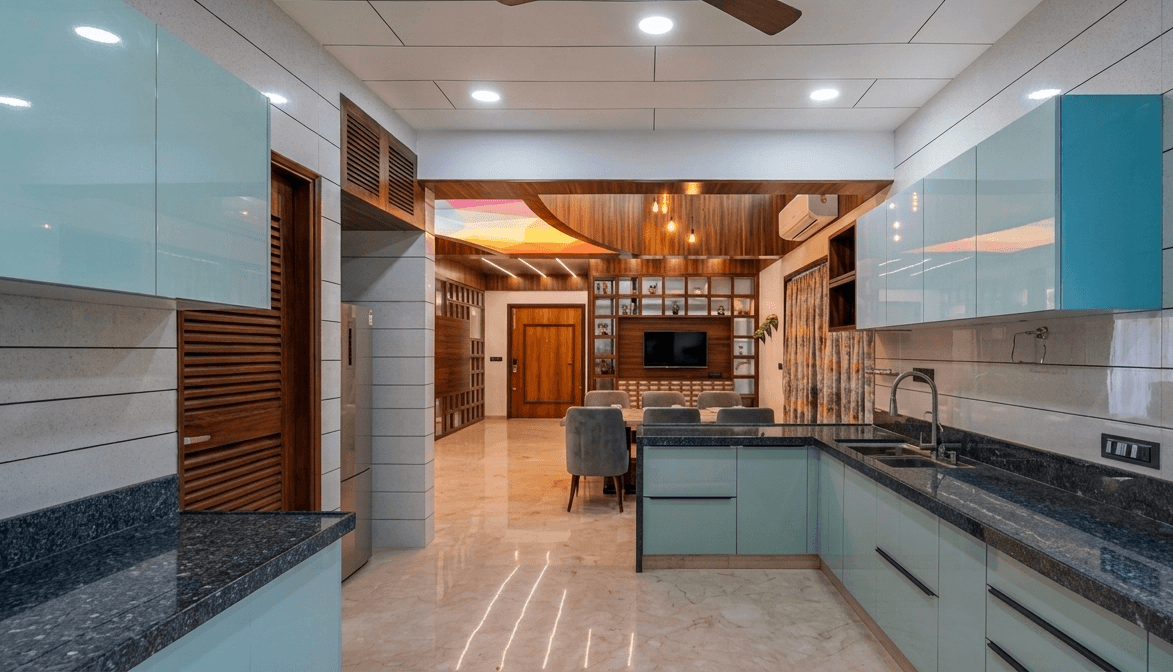
- Kitchen-Dining Combo — the dining table sits adjacent to the modular kitchen, popular in compact urban apartments
- Dining Corner — a space-saving nook layout using a round table, bench seating, or a wall-mounted foldable table, ideal for studio flats and small apartments
Step 2 — Choose the Right Dining Table
The dining table is the centrepiece of every dining room design. Every other element — chairs, lighting, rug, colours — should be chosen in relation to the dining table.
Dining Table Shape Guide:
When choosing a dining table, consider the shape. Rectangular tables are classic and suitable for larger spaces, while round or oval tables create a more intimate setting and work well in smaller rooms.
- Rectangular dining table — best for large rooms and families of 6 or more; gives the most seating capacity
- Round dining table — best for small dining rooms and open conversations; no head of the table, everyone is equal
- Oval dining table — best for rooms that need flexibility; combines the generous seating of rectangular with the flow of round
- Square dining table — best for four people; works well in a square room or dining corner
Dining Table Material Guide:
Solid-wood dining tables offer durability and character but can increase costs. Engineered wood or veneer finishes provide a similar aesthetic at a more accessible price point.
- Solid wood — teak, sheesham, mango wood — most durable, warmest look, ideal for Indian homes
- Engineered wood / MDF — budget-friendly, available in all finishes, good for rental homes
- Marble top — luxury option, elegant and cool; suits formal dining rooms
- Glass top — visually light, makes small rooms feel larger; requires careful maintenance
- Metal frame — industrial and modern look; pairs well with wooden or stone tops
Dining Table Size by Number of Seats:
| Seats | Recommended Table Size |
|---|---|
| 2 persons | 60 x 60 cm (2 ft x 2 ft) — small square |
| 4 persons | 90 x 90 cm (3 ft x 3 ft) round or 120 x 75 cm rectangular |
| 6 persons | 180 x 90 cm (6 ft x 3 ft) rectangular |
| 8 persons | 240 x 100 cm (8 ft x 3.3 ft) rectangular |
| 10 persons | 300 x 110 cm (10 ft x 3.6 ft) rectangular |
Pro Tip: For small spaces, a pull-out dining table integrated into a side cabinet maximises functionality and maintains a clear floor in compact apartments and studio flats.
Step 3 — Select the Right Dining Chairs
Dining chairs contribute as much to dining room design as the table itself. They define the style, set the comfort level, and can be used as accent pieces to introduce colour or texture.
Designer Karen Aspea of Asprea Studio says more and more dining rooms are being outfitted with a mix of seating — think upholstered chairs combined with benches or banquettes. A banquette can be placed directly against the wall, whereas you would need clearance around the whole table if using only dining chairs. A backless bench on one side of a dining table allows seating on that side to be pushed fully under the table when not in use, which is very helpful when you have a tight space.
Dining Chair Tips:
- Look for dining chairs that complement the table style and offer comfort for long dining sessions. Consider various shapes and sizes to find the perfect fit for your space.
- Upholstered dining chairs enhance comfort but should be selected with ease of cleaning in mind — particularly in Indian homes where meals can be elaborate and messy
- Allow 24 inches of table width per person so every diner has enough personal space
- For a high-end dining room design, mix chair styles — use two armchairs at the head of the table and four side chairs along the length for a curated, designer look
- Each person seated at a dining table should have enough personal space to dine comfortably. A common guideline is to allow 24 inches of table width per person.
Step 4 — Design Your Dining Room Lighting
Dining room lighting is the single most powerful tool for transforming the atmosphere of a dining space. The right dining room lighting design can make an ordinary room feel extraordinary.
The Three Layers of Dining Room Lighting:
Good dining room lighting design uses three layers working together:
- Ambient lighting — the overall ceiling light that illuminates the entire room; use a chandelier, flush-mount, or cove lighting for this layer
- Task lighting — direct light over the dining table; a pendant light or chandelier hung directly above the table is the standard solution
- Accent lighting — wall sconces, LED strip lights inside crockery cabinets, or spotlights highlighting artwork or a feature wall
Dining Room Pendant Light and Chandelier Rules:
- Hang the pendant light or chandelier 30 to 36 inches above the dining table surface for the best visual proportion
- The diameter of the pendant or chandelier should be 12 inches less than the width of the dining table — so a 6-foot table suits a 60-inch diameter fixture
- Always install a dimmer switch on your dining room light — dimmers allow you to shift from daytime casual to evening elegance and are essential for a well-designed dining room
- Pendant lights made of glass, bamboo, or metal look beautiful and suit every interior style, from traditional Indian setups to urban minimalist themes
Dining Room Lighting Colour Temperature:
Use warm white light at 2,700K to 3,000K for a cosy and modern dining room glow. Avoid cool white or daylight bulbs in the dining room — they make food look unappetising and create a clinical, uncomfortable atmosphere.
Current Dining Room Lighting Trends:
Dining room lighting in current trends prioritises flexibility and atmosphere rather than bold centrepieces. Ceramic components shaped to anchor the fixture visually, fabric elements that filter light across the table creating a consistent low-glare field, and textile-as-form approaches that shape both volume and atmosphere are now popular.
Step 5 — Choose Your Dining Room Colour Scheme
Colour is the fastest and most affordable way to transform dining room interior design. The right dining room colour combination sets the mood for every meal.
Best Dining Room Colours for Indian Homes:
Limit major colours in the dining room to three — one dominant, one secondary, and one accent — to avoid visual chaos.
For an accent wall in the dining room, use a deep shade like rust or olive on one wall and balance it with a soft neutral on the others. For a more immersive look, go for a full-room shade in something lighter like almond or warm grey, then pair it with textured furniture in cane, leather, or unfinished wood to add depth without visual clutter.
Dining Room Colour Guide by Mood:
- Warm and welcoming — terracotta, rust, warm beige, turmeric yellow — ideal for Indian homes and traditional dining rooms
- Modern and sophisticated — warm white, cream, greige (grey-beige), sage green — suits contemporary flats
- Bold and dramatic — navy blue, deep teal, forest green, burgundy — perfect for formal dining rooms or feature walls
- Light and airy — white, soft grey, pale blue, ivory — makes small dining rooms feel larger
- Earthy and natural — clay, olive, muted brown, sand — trending in India for a grounded, organic feel
Bold reds, turmeric yellows, peacock blues, and deep emeralds always work well in Indian dining rooms, especially offset by neutral walls or floors. Brass or hand-painted ceramic accents add extra vibrancy.
While neutrals dominate, subtle colour plays an important role. Muted greens, dusty blues, and clay or terracotta tones add personality without overwhelming the space. Simple ways to add colour include upholstered dining chairs, artwork, rugs, table linens, or a thoughtfully chosen accent wall.
Step 6 — Select Dining Room Flooring
Dining room flooring must balance beauty, practicality, and ease of cleaning — because food and liquid spills are inevitable.
Best Dining Room Flooring Options:
- Vitrified tiles — most popular in Indian dining rooms; easy to clean, durable, available in endless designs; large format tiles (600x600mm or 800x800mm) make rooms look bigger
- Hardwood or engineered wood flooring — warm, elegant, and luxurious; adds character to formal dining rooms; avoid in high-humidity areas without proper sealing
- Laminate flooring — budget-friendly alternative to wood; easy to install and maintain
- Marble or natural stone — the most premium option; best for formal dining rooms in bungalows and luxury homes
- Terrazzo — trending strongly in Indian homes; durable, unique, and low-maintenance
Dining room flooring trends focus on continuity and comfort. Flooring is often chosen to match or complement adjacent spaces, especially in open layouts. Durability and ease of cleaning are key factors guiding flooring choices.
Dining Room Rug Tips:
A rug under the dining table defines the dining zone, adds warmth, and reduces chair noise on hard floors.
- The rug should extend at least 24 inches beyond the table edge on all sides to accommodate chairs when pulled out.
- Choose flat-weave, low-pile rugs that are easy to clean — avoid high-pile or shag rugs under dining tables
- The rug shape should match the table shape — rectangular rug for rectangular table, round rug for round table
Step 7 — Plan Dining Room Storage
Efficient storage is essential in a well-designed dining room, particularly for Indian families who love to host and have extensive dinnerware, serving platters, and festive crockery to store.
Best Dining Room Storage Solutions:
Sideboards with concealed drawers, wall-mounted crockery shelves, and modular units minimise clutter while keeping heirloom silverware or festive dinner sets accessible. Glass-front display cabinets with soft lighting show off collectibles without gathering dust.
- Crockery unit / buffet cabinet — the most versatile dining room storage piece; place on the south or west wall of the dining room
- Sideboard — a low, wide storage unit that doubles as a serving surface during meals; ideal for formal dining rooms
- Wall-mounted open shelves — display decorative plates, glassware, or plants; keeps floor space free in small dining rooms
- Built-in cabinet with glass doors — premium option for new constructions; maximises storage without taking up extra floor space
- Bar cabinet or drinks trolley — functional and stylish addition for Indian homes that regularly entertain guests
For tiny layouts, consider wall-hung folding tables or slim-profile bench seating that tucks away between meals. Vertical storage — overhead cabinets or open shelves above the buffet — creates display opportunities for treasured brassware or family photos while freeing up floor area.
Step 8 — Choose Your Dining Room Interior Design Style
Your dining room design style should reflect your personality, complement the rest of your home’s interiors, and feel comfortable to live in every day.
Most Popular Dining Room Design Styles:
Modern Minimalist Dining Room: A modern dining room is defined by simplicity, clean shapes, and a balanced use of space. It avoids heavy patterns, clutter, and bulky designs. Instead, it focuses on clean lines, neutral colours, simple furniture, and intentional decor. Modern dining rooms feel fresh, warm, and intentionally styled — not cold or empty.
Traditional Indian Dining Room: A traditional Indian dining room design uses solid wood furniture and artisanal textiles as its foundation, with practical layouts and contemporary art. Bold reds, sun-kissed yellows, peacock blues, and deep emeralds work well, especially offset by neutral walls or floors. Accents in brass or hand-painted ceramics add extra vibrancy.
Contemporary Dining Room: Contemporary dining room design promotes layouts that encourage gathering and materials that register in both sight and touch. The spaces are shaped as complete environments where the table and every surrounding element give the room a clear rhythm, whether set for a meal or serving multiple purposes.
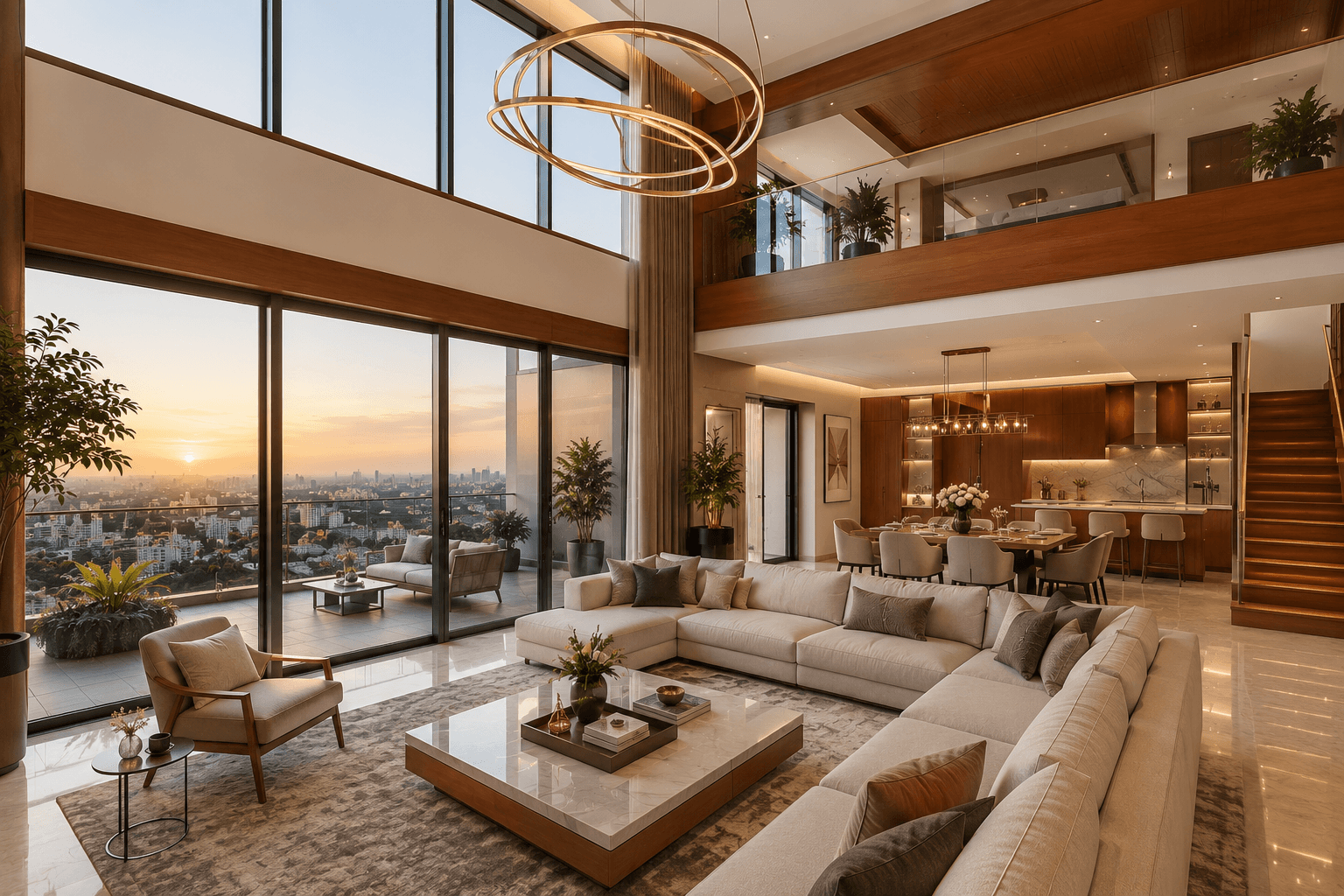
Luxury / Formal Dining Room: A formal dining room design uses statement furniture, high-quality materials, and dramatic lighting. A growing number of homeowners are keen on formal entertaining and their dining room design choices reflect that — with sculptural lighting, wood-clad layouts, and a mix of seating types including upholstered chairs with benches or banquettes.
Bohemian / Eclectic Dining Room: Layer textures, patterns, and cultural influences for a warm, lived-in dining room. Use cane furniture, block-printed table linens, handwoven rugs, terracotta pots, and vintage brass accessories for an eclectic Indian-bohemian dining room that is full of personality.
Step 9 — Dining Room Design for Small Spaces and Flats
Designing a dining room for a small Indian flat or apartment requires clever space planning, multi-functional furniture, and smart visual tricks.
Dining Room Design Tips for Small Spaces:
- Use foldable or wall-mounted dining tables — they are a brilliant option for small dining space design, saving floor space without compromising on overall looks.
- Choose a round dining table for small dining rooms — it takes up less visual space, has no sharp corners to bump into, and allows easier movement around it
- Use mirrors in the dining room — a strategically placed mirror not only amplifies natural light but visually doubles small city rooms.
- Use light colours on walls and floors to make a small dining room feel larger — white, cream, soft grey, and pale wood tones all visually expand the space
- Use bench seating on one side of the dining table instead of chairs — benches push fully under the table when not in use, saving significant floor space
- For small spaces, a pull-out dining table integrated into a side cabinet maximises functionality and maintains a completely clear floor when not in use.
- Use vertical storage — tall crockery units and wall-mounted shelves free up floor space and draw the eye upward, making ceilings appear higher
Step 10 — Dining Room Styling and Finishing Touches
Once the layout, furniture, lighting, colours, and flooring are in place, the final step in dining room design is styling. This is where personality enters the space.
Dining Room Styling Tips:
- Centrepiece on the dining table — a vase of flowers, a bowl of fruit, candles in brass holders, or a sculptural decorative object makes the table look styled and inviting at all times
- Table linens — a quality tablecloth or table runner instantly elevates the look of any dining room; change seasonally for a fresh update
- Wall art — a large framed artwork, a gallery wall, or a decorative mirror on the dining room wall adds visual interest and personalises the space
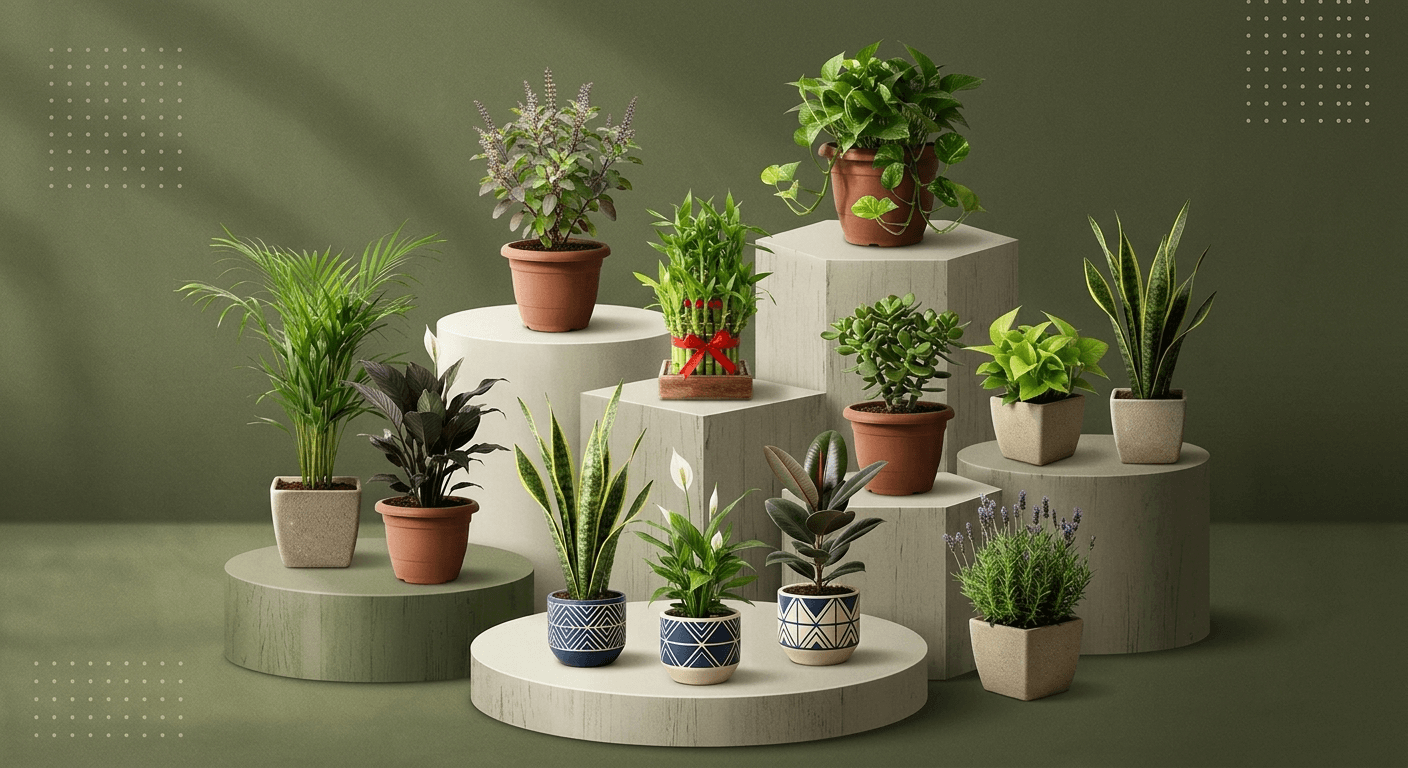
- Indoor plants — a potted plant or trailing vine in the dining room brings life, freshness, and natural energy into the space; money plant, pothos, and peace lily all work well
- Curtains and window treatment — floor-to-ceiling curtains in a complementary colour frame the dining room windows beautifully and add a sense of luxury; use sheer curtains for daytime light and blackout curtains for evening ambience
- The dining room is the perfect place to get creative and try out a new colour scheme, unique wall treatment, statement chandelier, or piece of artwork — whether your preferred design style is coastal, traditional, contemporary, or an eclectic mix
Dining Table Setting Tips:
- Use placemats or charger plates at each seat to define individual dining positions and add colour
- Layer glassware — a water glass and a juice or wine glass at each setting instantly makes the table look more curated
- Add a candle or small votive at the centre of the table for evening dining — warm candlelight transforms the entire dining room atmosphere
Dining Room Design for Indian Homes — Special Considerations
Designing a dining room for an Indian home comes with unique requirements that global design guides do not always address.
Modern dining room designs for Indian homes consider local culture, climate, and space. Open kitchens and integrated dining designs are replacing formal, closed-door dining hall settings. Millennials want casual, Instagram-friendly settings, fuss-free designs, and photogenic backdrops. Health and well-being considerations include ample daylight, ergonomic furniture, and clutter-free surfaces.
Key Considerations for Indian Dining Room Design:
- Vastu Shastra — the ideal location for the dining room as per Vastu is in the west, south-east, or east part of the house. While eating, everyone in the family should face east or west, as these two directions are considered auspicious according to Vastu
- Hosting capacity — Indian families regularly host large gatherings for festivals, weddings, and family events; always plan for at least 2 extra seats beyond your everyday requirement; extendable dining tables are a smart investment
- Durability — Indian cooking involves strong spices, oils, and aromas; choose dining room materials that are easy to wipe clean — vitrified tiles over carpet, lacquered or laminated furniture over raw wood
- Natural ventilation — Indian climate demands good airflow in the dining room; ensure windows or ventilation are planned in the east or north direction
- Cultural aesthetics — use traditional craft influences like zari textiles, brass accessories, hand-painted ceramics, and block-printed table linens to give your Indian dining room a unique identity that no generic design template can replicate.
Common Dining Room Design Mistakes to Avoid
- Choosing a dining table that is too large — always calculate clearance first; a table that technically fits but leaves no room to move is one of the most common and expensive dining room design mistakes
- Hanging the pendant light too high — the light should be 30 to 36 inches above the table; hanging it too high destroys the intimate atmosphere the fixture is meant to create
- Ignoring storage — a dining room without adequate storage becomes cluttered immediately; plan crockery units and sideboards at the same time as the table and chairs
- Using only one type of lighting — a single ceiling light is never enough; always layer ambient, task, and accent lighting for a well-designed dining room
- Choosing a rug that is too small — choose a rug that extends about 30 inches past the edge of the table on all sides to keep chairs steady when pulled out
- Placing the dining table too close to the kitchen entrance — this creates a traffic jam; maintain at least 42 inches of clearance between the dining table and any doorway
- Ignoring Vastu for the dining room — in Indian homes, placing the dining table in the Brahmasthan — the centre of the home — or in the north-east corner are considered inauspicious according to Vastu Shastra
Frequently Asked Questions — How to Design a Dining Room?
Q: How do I start designing a dining room from scratch? A: Start by measuring your dining room dimensions, then plan the clearance zones around the dining table. Choose the dining table shape and size first, then select chairs, lighting, colours, flooring, and storage in that order. Always plan lighting and storage before purchasing furniture.
Q: What is the standard size for a dining room? A: A formal dining room should be at least 3.6 by 4.2 metres — 12 by 14 feet — to comfortably accommodate a dining table with six chairs and adequate clearance on all sides. For a 4-seater dining corner in a flat, a minimum of 10 x 10 feet is workable.
Q: Which shape dining table is best for a small dining room? A: A round dining table is best for small dining rooms. It takes up less visual space, has no corners, allows easier movement around it, and creates a more intimate dining atmosphere. Use a round table for small rooms, a rectangular table for large rooms, and an oval table for flexibility.
Q: What is the best colour for a dining room? A: Muted greens, dusty blues, and clay or terracotta tones add personality without overwhelming the space. Simple ways to add colour include upholstered dining chairs, artwork, rugs, table linens, or a thoughtfully chosen accent wall. For Indian homes, terracotta, warm beige, turmeric yellow, and peacock blue are all excellent choices.
Q: How high should a pendant light hang above a dining table? A: A pendant light or chandelier should hang 30 to 36 inches above the dining table surface. This height creates the ideal pool of light over the table while maintaining a comfortable sightline across the table for diners.
Q: How do I design a dining room in a small flat or apartment? A: Use a round or foldable wall-mounted dining table, bench seating instead of chairs, light wall colours, mirrors to visually expand the space, and vertical storage like wall-mounted shelves and tall crockery units. A pull-out dining table integrated into a side cabinet maximises functionality and maintains a clear floor in compact apartments.
Q: Which direction should the dining room face as per Vastu? A: The ideal location for the dining room as per Vastu Shastra is in the west, south-east, or east part of the house. While eating, everyone in the family should face east or west, as these two directions are considered auspicious according to Vastu.
Q: What type of lighting is best for a dining room? A: A pendant light or chandelier directly above the dining table is the primary lighting element. Always add a dimmer switch, and layer with wall sconces or accent lighting for a complete dining room lighting design. Use warm white light at 2,700K to 3,000K for a cosy and modern dining room glow.
Q: What are the latest dining room design trends? A: Dining room design currently focuses on balance between aesthetics and comfort, materials and maintenance, trend awareness and timeless appeal. Homeowners are choosing designs that blend seamlessly with open-plan layouts, support daily routines, and remain visually relevant for years. Warm woods, rich colour palettes, mixed seating, statement lighting, and curved silhouettes are the dominant trends.