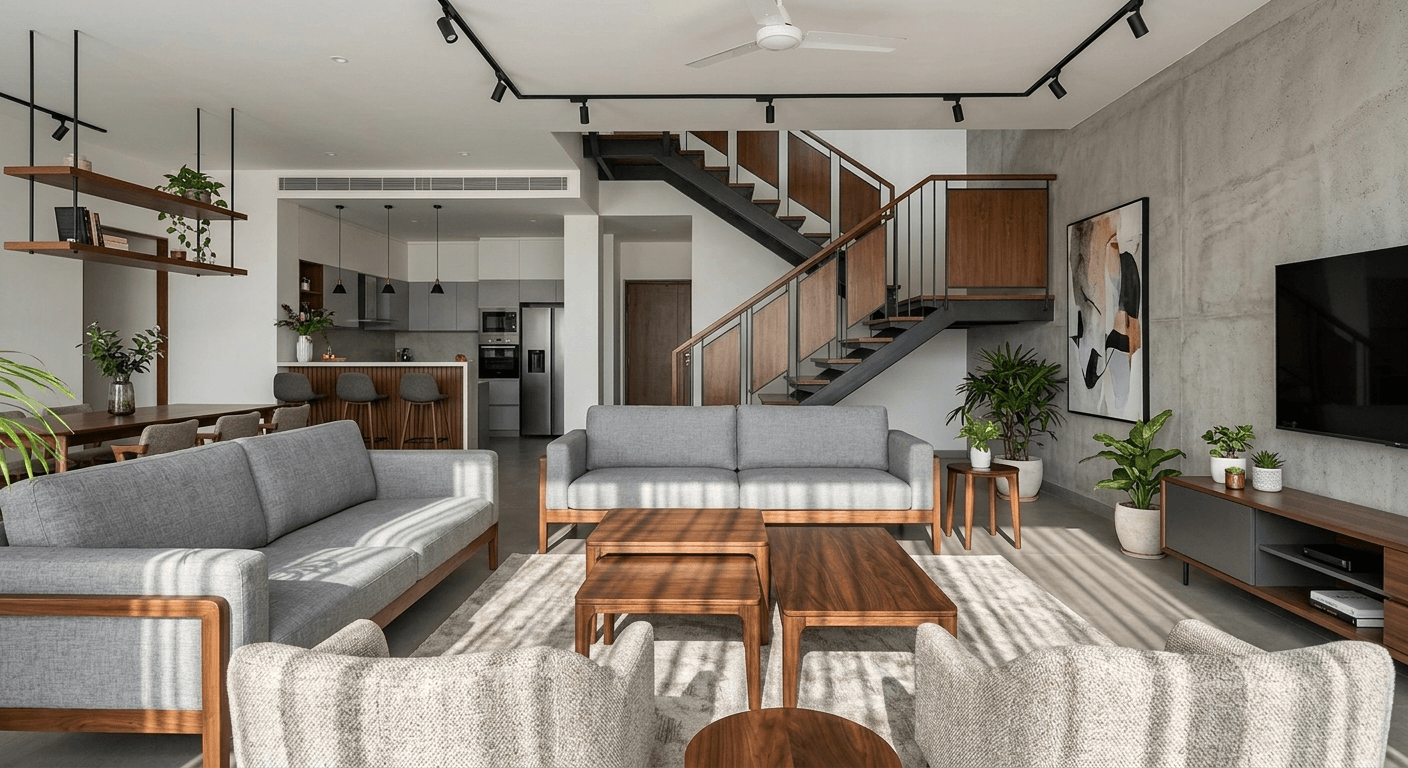
The best TV unit design is one that combines functionality, storage, proportions, lighting, and the overall style of your living room. For most modern homes, a wall-mounted TV unit with a clean TV panel, concealed storage, floating cabinets, and subtle lighting is one of the most practical and visually appealing choices.
However, the ideal TV unit depends on your living room size, wall dimensions, storage requirements, interior style, TV size, and budget.
A well-designed TV unit should not simply hold your television. It should become an integrated part of the living room while keeping wires, entertainment devices, books, décor and everyday items organised.
Quick Answer: Which TV Unit Design Is Best?
If you want a modern and timeless look, consider a full-height or half-height TV panel with a floating cabinet and concealed storage.
For a small living room, a compact wall-mounted TV unit works particularly well because it keeps the floor visually open.
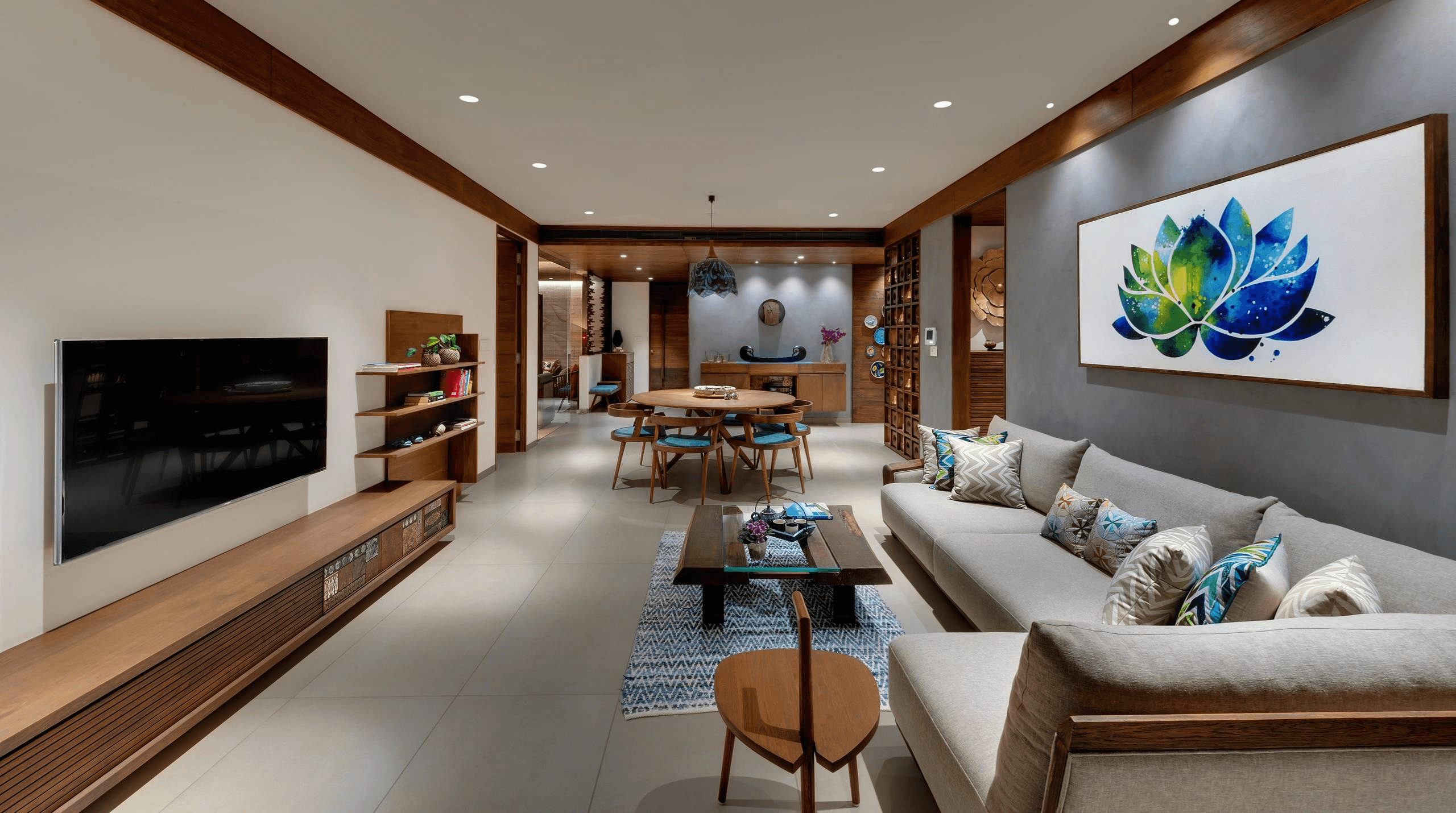
For a luxury living room, a designer TV wall with fluted panels, natural wood finishes, stone textures, backlighting and custom storage can create a sophisticated focal point.
For a minimalist home, choose a simple TV panel with handleless cabinets and limited décor.
For a traditional or warm Indian home, a wooden TV unit with closed storage and warm lighting can add character without making the room feel cluttered.
10 Best TV Unit Design Ideas for Modern Homes
1. Modern Wall-Mounted TV Unit
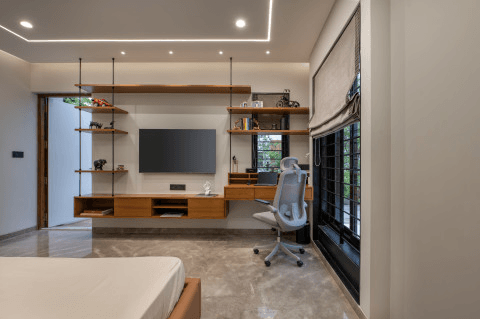
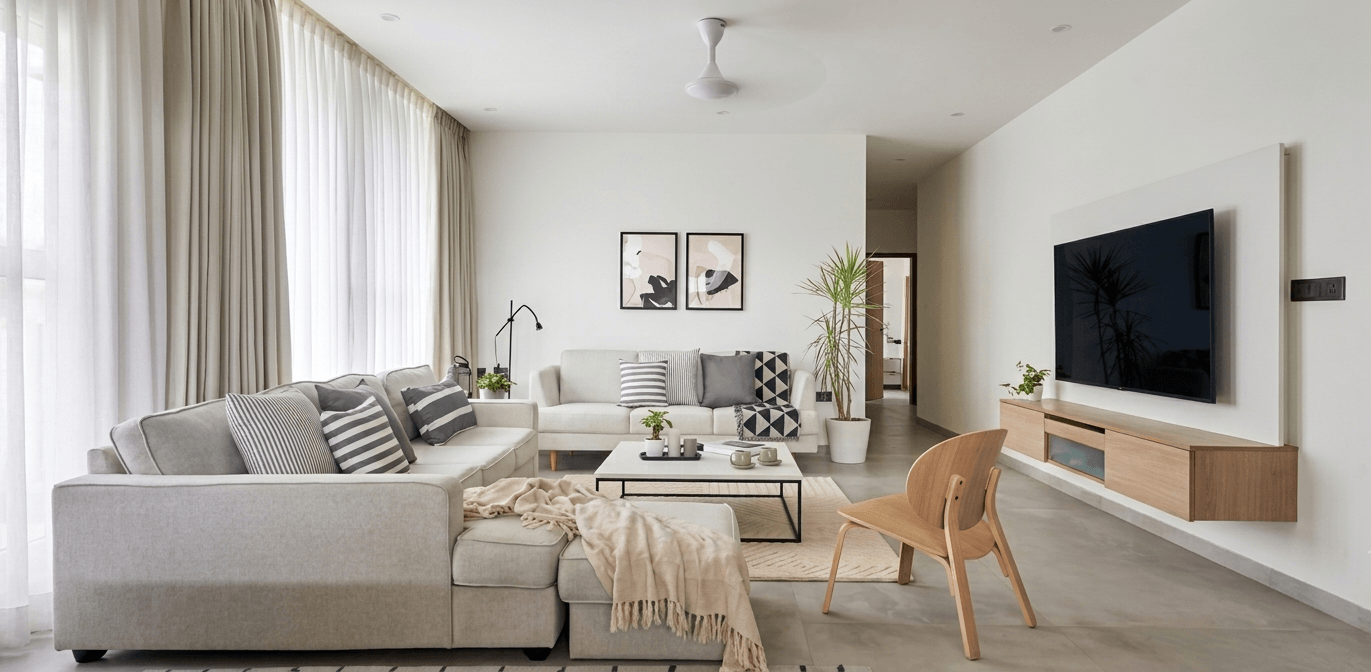
A wall-mounted TV unit is one of the most popular modern TV unit designs for contemporary homes.
Instead of placing a large cabinet directly on the floor, the storage is mounted on the wall, creating a lighter appearance. The open space underneath also makes cleaning easier and can make a small living room appear more spacious.
You can combine:
- A large TV back panel
- Floating drawers
- Closed cabinets
- Open display shelves
- LED strip lighting
- Wooden or laminate finishes
- Concealed wiring
This design works particularly well for apartments and modern living rooms.
2. Wooden TV Unit Design
Wood remains one of the most versatile choices for a TV unit.
A wooden TV unit design can work with modern, Scandinavian, contemporary, Japandi, traditional and transitional interiors.
You can use wood-look laminates, natural wood finishes or a combination of wood with neutral panels.
For a sophisticated appearance, combine a warm wooden finish with:
- Beige or off-white walls
- Matte-finish cabinets
- Warm LED lighting
- Minimal décor
- Textured wall panels
A wooden TV cabinet also works well when you need substantial storage.
3. TV Unit with Fluted Panel
Fluted wall panels have become a popular choice for contemporary living room interiors.
A TV wall featuring vertical fluted panels adds texture without requiring excessive decoration. The fluted surface can be used across the entire TV wall or as an accent behind the television.
Pair it with a floating wooden cabinet for a balanced combination of texture and functionality.
This is particularly effective when you want a luxury TV unit design without making the wall overly elaborate.
4. TV Unit with Marble or Stone Finish
For a premium living room, consider combining the TV panel with a marble, stone or stone-look finish.
A large-format stone-effect panel behind the television creates a strong focal point and can make the TV wall look architectural rather than simply functional.
Popular combinations include:
Stone + wood + warm lighting
or
Marble-look panel + neutral cabinetry + brass accents
The key is restraint. Too many materials, colours or decorative elements can make the TV wall look busy.
5. Minimalist TV Unit Design
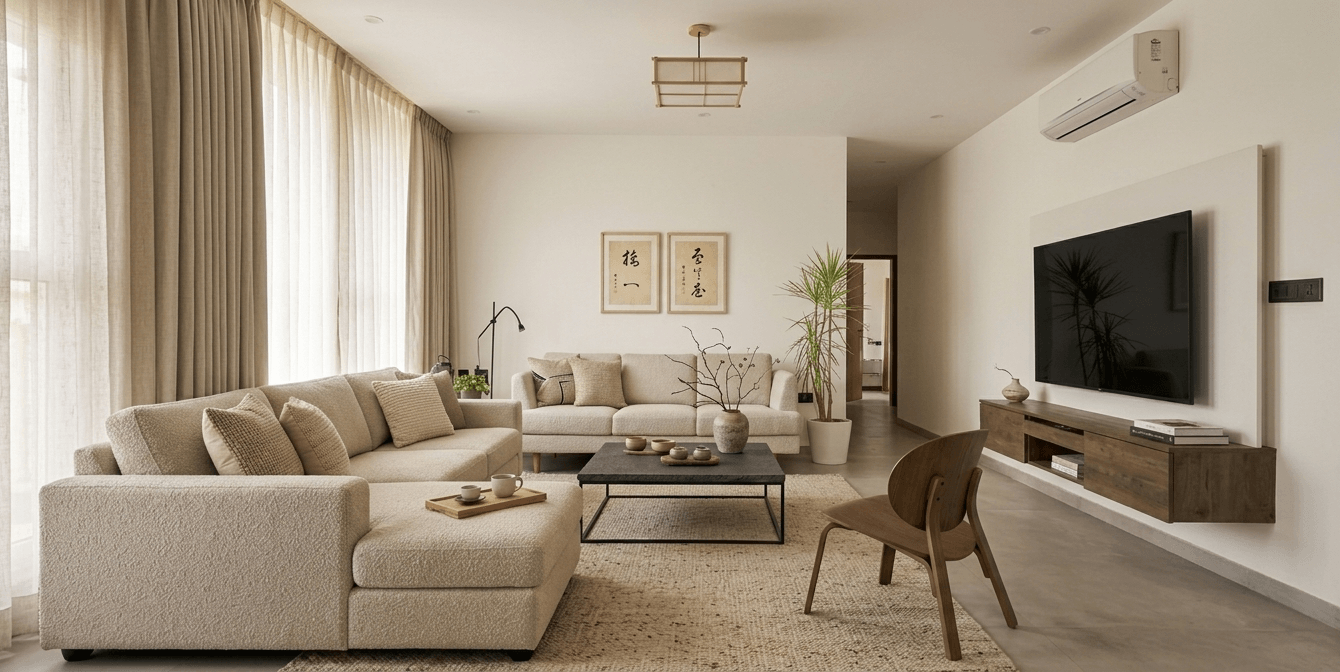
If you prefer clean interiors, a minimalist TV unit may be the best choice.
A minimalist TV unit generally features:
- Simple geometric lines
- Handleless storage
- Neutral colours
- Concealed wiring
- Limited open shelving
- Minimal decoration
- Clean TV panel
The objective is to make the television wall look seamless rather than overloaded.
A white, beige, grey or natural wood palette can create a calm appearance.
6. TV Unit with Storage Cabinets
If storage is your priority, design the TV unit around your actual requirements.
A TV cabinet can include dedicated spaces for:
- Set-top boxes
- Gaming consoles
- Speakers
- Books
- Remote controls
- Decorative objects
- Documents
- Everyday household items
Closed cabinets are particularly useful because they keep visual clutter hidden.
A combination of closed storage + one or two open shelves usually provides a good balance between functionality and aesthetics.
7. Full-Wall TV Unit Design
A full-wall TV unit can transform an otherwise empty living room wall into a complete feature wall.
The design can extend from one side of the wall to the other and incorporate the television, storage, display niches and decorative elements.
However, full-wall designs should be carefully proportioned. In smaller rooms, excessive cabinetry can make the space feel heavy.
Use lighter colours, floating elements and concealed storage to maintain visual balance.
8. Small Living Room TV Unit
A small living room requires a different approach.
Avoid oversized cabinets and excessive open shelving. Instead, consider a compact TV panel with a floating cabinet underneath.
A wall-mounted TV can also help preserve floor space.
For a small living room TV unit, choose:
- Light colours
- Slim cabinetry
- Vertical storage
- Floating furniture
- Concealed wiring
- Minimal décor
- Integrated lighting
The goal is to maximise functionality without visually shrinking the room.
9. TV Unit with LED Lighting
Lighting can dramatically change the appearance of a TV wall.
LED strip lighting behind the TV panel or beneath floating cabinets creates a soft glow and adds depth to the design.
Warm white lighting is generally more comfortable for a residential living room than extremely bright lighting.
You can incorporate lighting into:
- TV panel edges
- Floating cabinets
- Display niches
- Vertical wall panels
- Ceiling details
Avoid excessive lighting directly around the screen, as strong glare can affect viewing comfort.
10. Designer TV Unit with Open Shelves
Open shelves are useful for displaying carefully selected décor.
You can use them for:
- Books
- Plants
- Artwork
- Vases
- Family photographs
- Collectibles
But open shelving should not become a storage dump.
A good living room TV unit design uses open shelves selectively and keeps everyday clutter inside closed cabinets.
What Should a Modern TV Unit Look Like?
A modern TV unit should look clean, proportionate and integrated with the living room.
Instead of treating the TV as an isolated object, designers often create a complete TV wall around it.
A contemporary combination could include:
TV panel + floating cabinet + wood finish + textured wall + concealed wiring + warm LED lighting
The exact materials should be selected according to the rest of the home’s interior design.
For example, if your living room already has wooden furniture, introducing another wood tone may make the space look inconsistent. Matching or intentionally contrasting finishes creates a more cohesive interior.
Which TV Unit Is Best for a Small Living Room?
For a small living room, the best option is usually a compact wall-mounted TV unit with a floating cabinet.
This arrangement keeps the floor visible and reduces the visual weight of the furniture.
You can also use vertical storage instead of extending the cabinet horizontally.
Small TV unit design tips:
- Mount the TV at a comfortable viewing height.
- Keep the cabinet relatively shallow.
- Use light or neutral finishes.
- Avoid excessive decorative shelves.
- Conceal cables inside the wall or panel.
- Use integrated storage wherever possible.
- Add subtle backlighting rather than multiple decorative lights.
A simple design can make a small room feel considerably more organised.
How Do You Choose the Right TV Unit Design?
Before finalising your TV cabinet design, consider these seven factors.
1. TV Size
The TV should be properly proportioned to the TV panel and wall.
A very small panel around a large television can look unbalanced, while an oversized panel in a compact room can dominate the space.
2. Wall Dimensions
Measure the complete wall before designing the unit.
Consider:
- Wall width
- Ceiling height
- Door openings
- Windows
- Electrical points
- Existing furniture
- Walking space
3. Storage Requirements
Think about what you actually need to store.
If you have gaming consoles, speakers, books or several electronic devices, include dedicated storage instead of trying to fit everything later.
4. Interior Style
Your TV unit should complement your home’s overall interior design.
For example:
Modern: clean panels and handleless cabinets
Luxury: stone, wood, glass and layered lighting
Japandi: natural wood, soft neutrals and simple forms
Scandinavian: light wood, white surfaces and minimal décor
Traditional: detailed woodwork and classic cabinetry
5. Material
Common TV unit materials include:
- MDF
- Plywood
- Laminates
- Veneer
- Acrylic
- Glass
- Fluted panels
- Stone or stone-look surfaces
The right material depends on durability, maintenance, aesthetics and budget.
6. Wiring
Plan electrical and data connections before installation.
A beautiful TV wall can quickly look messy if HDMI cables, power cables and internet wires are visible.
Concealed wiring should therefore be considered during the design stage.
7. Budget
A basic TV cabinet can be relatively simple, while a custom luxury TV wall with premium finishes, lighting and extensive storage can cost substantially more.
Instead of choosing materials first, establish your budget and prioritise the features that matter most.
TV Unit Design for Indian Homes
TV units in Indian homes often need to perform multiple functions because the living room may serve as an entertainment area, family gathering space and storage area.
A practical Indian TV unit can therefore combine closed cabinets, open shelves, decorative niches and concealed wiring.
For apartments, modular and wall-mounted TV units are especially useful because they can be customised according to the available wall width.
If the home follows a particular Vastu layout, the TV wall and electrical planning should also be considered alongside the overall room layout rather than treated as a separate design decision.
Best Colours for a TV Unit
The best TV unit colour depends on your living room’s flooring, wall colour, furniture and natural lighting.
Popular combinations include:
Wood + Beige
Warm, elegant and timeless.
White + Wood
Bright and contemporary.
Grey + Wood
Modern and sophisticated.
Black + Wood
Dramatic and premium, particularly in larger rooms.
Beige + Stone
Soft luxury with a contemporary appearance.
Off-White + Fluted Wood
A refined option for minimalist and Japandi-inspired interiors.
Rather than following a single trend, choose a colour combination that will continue to work with your furniture and décor.
TV Unit Design Mistakes to Avoid
Even an attractive TV unit can become impractical if the planning is poor.
Avoid these common mistakes:
Oversized cabinetry: It can make the living room feel cramped.
Too many open shelves: They create visual clutter and require regular maintenance.
Poor cable management: Visible wires immediately reduce the finished appearance.
Incorrect TV height: A poorly positioned TV can make viewing uncomfortable.
Too many materials: Combining several textures, colours and finishes can make the wall look chaotic.
Insufficient ventilation: Electronics need adequate ventilation and access.
Ignoring maintenance: Extremely intricate panels and open niches can collect dust.
Designing without measurements: The TV unit should be designed around the actual wall, furniture arrangement and electrical points.
What Is the Most Popular TV Unit Design?
One of the most popular contemporary solutions is a floating TV unit with a feature wall panel and concealed storage.
It offers several advantages:
- Modern appearance
- Better floor visibility
- Easy cleaning
- Flexible storage
- Concealed wiring
- Customisable finishes
- Suitable for small and large living rooms
However, popularity should not be the only deciding factor. The best TV unit is the one that fits your room proportions, lifestyle and interior design style.
Frequently Asked Questions About TV Unit Designs
What is the best design for a TV unit?
The best TV unit design is one that balances aesthetics, storage, viewing comfort and available wall space. A wall-mounted TV panel with floating storage and concealed wiring is a versatile choice for modern homes.
Which TV unit is best for a small living room?
A compact wall-mounted TV unit with a floating cabinet is generally a good choice for a small living room because it preserves floor space and reduces visual clutter.
Is a wall-mounted TV unit better than a floor-standing unit?
A wall-mounted TV unit offers a cleaner, lighter appearance and can make the floor easier to clean. A floor-standing TV cabinet may be preferable when you need more storage or want furniture that can be moved more easily.
What material is best for a TV unit?
Plywood with a durable laminate or veneer finish is a practical option for many custom TV units. MDF, acrylic, glass, fluted panels and stone-look finishes can also be used depending on the design and budget.
How can I make my TV wall look luxurious?
Use a restrained combination of premium-looking materials such as wood, stone-look panels or fluted surfaces, along with concealed storage and warm integrated lighting. Good proportions are often more important than using expensive materials.
How do I hide TV wires?
TV wires can be concealed through properly planned wall conduits, cabinetry or a dedicated TV back panel. Electrical and data points should ideally be planned before the TV unit is installed.
Should a TV unit have open shelves?
Open shelves can be useful for displaying décor and books, but they should be used selectively. Combining a few open niches with closed cabinets usually creates a cleaner and more practical design.
How high should a TV be mounted?
The ideal mounting height depends on the sofa height, TV size and viewing position. The centre of the screen should generally be positioned close to the viewer’s natural eye level when seated rather than simply placing the TV as high as possible.
Final Verdict: Which TV Unit Design Should You Choose?
If you’re looking for a modern, practical and timeless TV unit design, start with a wall-mounted TV panel, floating storage, concealed wiring and subtle LED lighting.
For a luxury interior, introduce wood, stone textures or fluted panels. For a small living room, keep the unit compact and visually light. For a family home requiring more storage, combine closed cabinets with limited open shelving.
Most importantly, your TV unit should be designed as part of the complete living room interior, not as an isolated piece of furniture.
A professionally planned TV wall can improve storage, conceal wiring, enhance the room’s proportions and create a strong visual focal point without overwhelming the space.
For homeowners planning a complete living room or home interior, Ahmedabad Interior Designer Studio provides end-to-end interior design and execution, including custom TV units, furniture, carpentry, electrical work, false ceilings, painting and finishing.
With 150+ home and office interior projects across Ahmedabad and Gujarat since 2023, the focus is on creating practical interiors that are designed around the client’s space, lifestyle and budget.