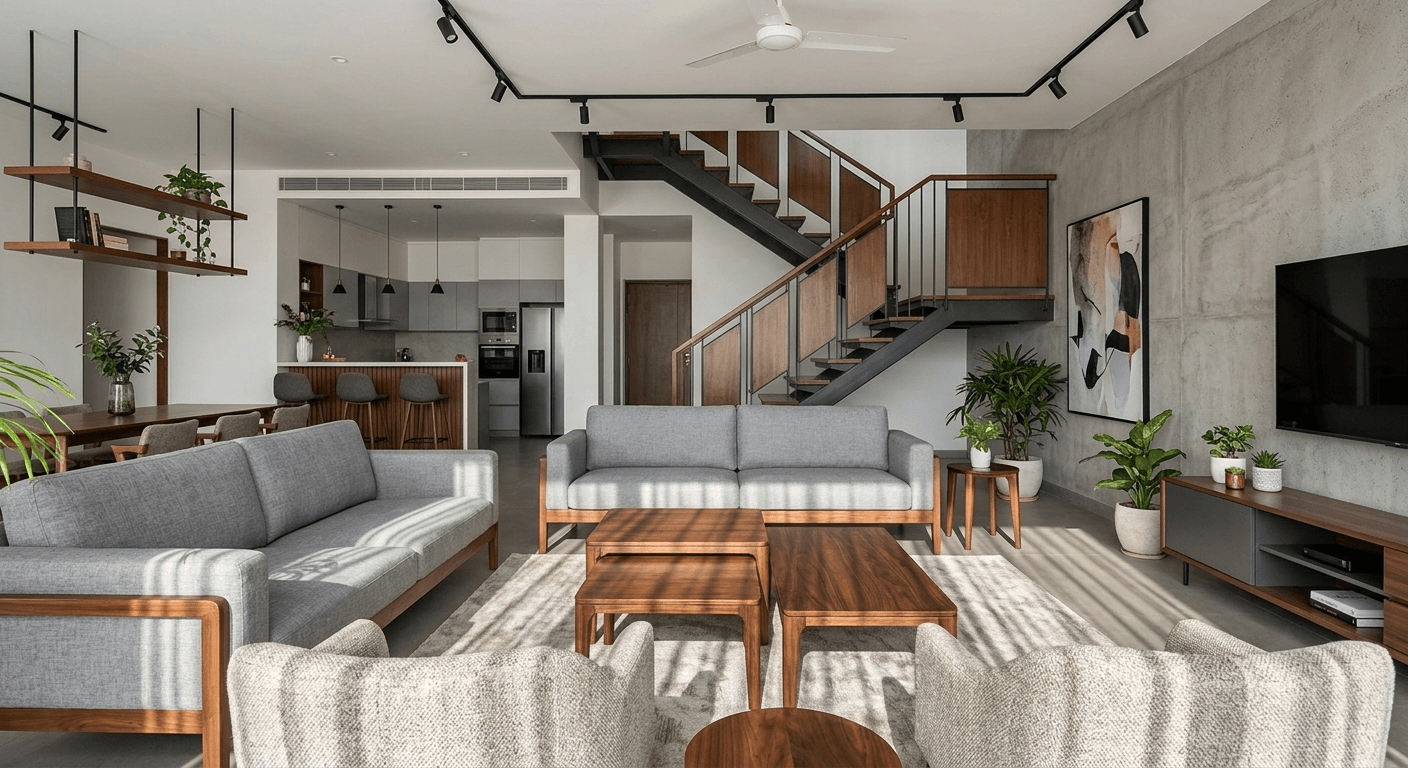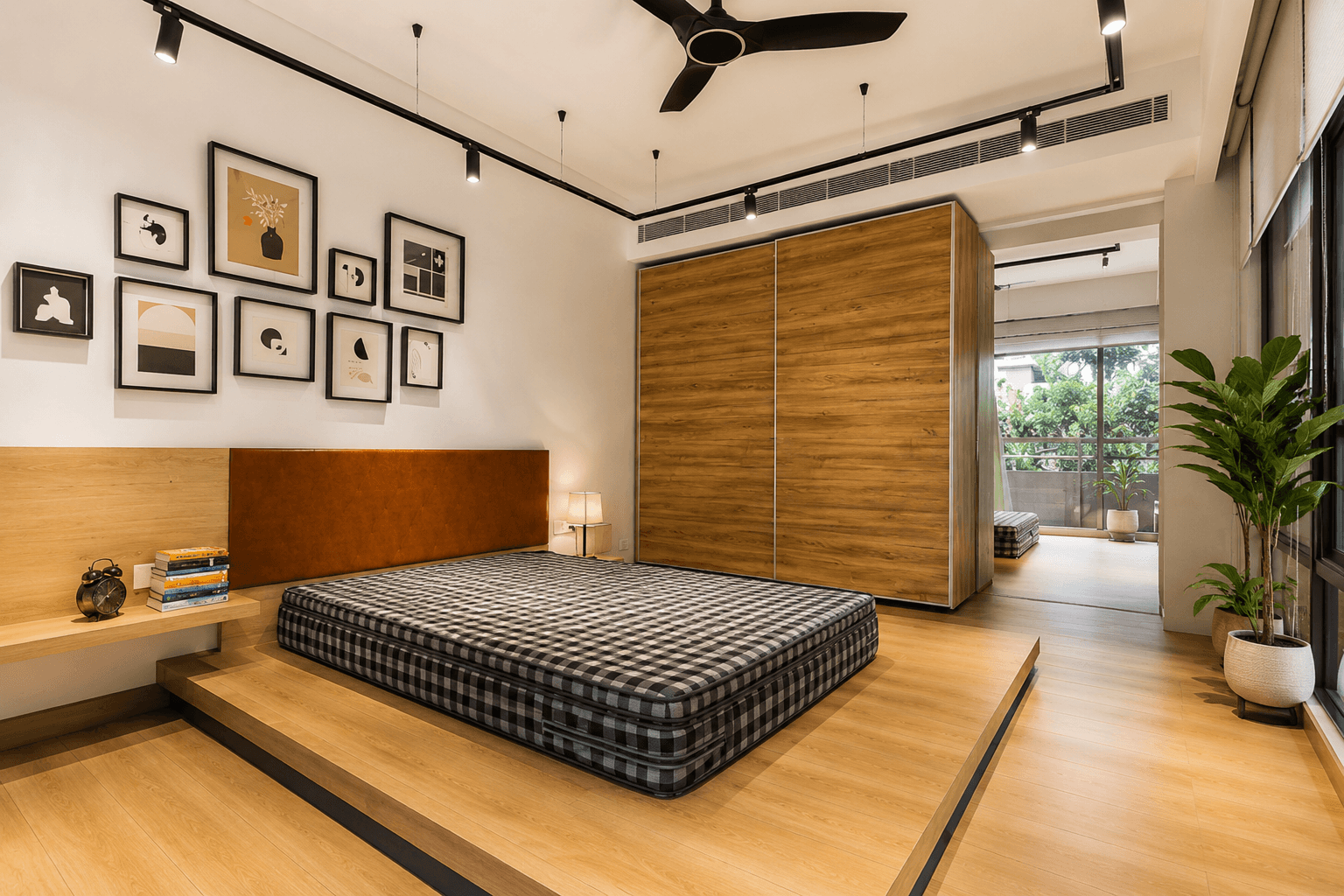
Your living room is the heart of your Ahmedabad home — it’s where family gatherings happen, where guests are welcomed, and where festivals like Uttarayan and Navratri celebrations often spill over into. But designing a living room in Ahmedabad comes with its own set of considerations: scorching summers, dusty winds, joint-family living arrangements, and the mix of traditional and modern aesthetics that defines Gujarati homes today.
Whether you live in a bungalow in Bodakdev, an apartment in Satellite, or a flat in the older pols of the walled city, here are 15 living room interior design ideas tailored for Ahmedabad homes.
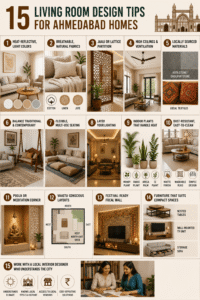
1. Choose Heat-Reflective, Light Color Palettes
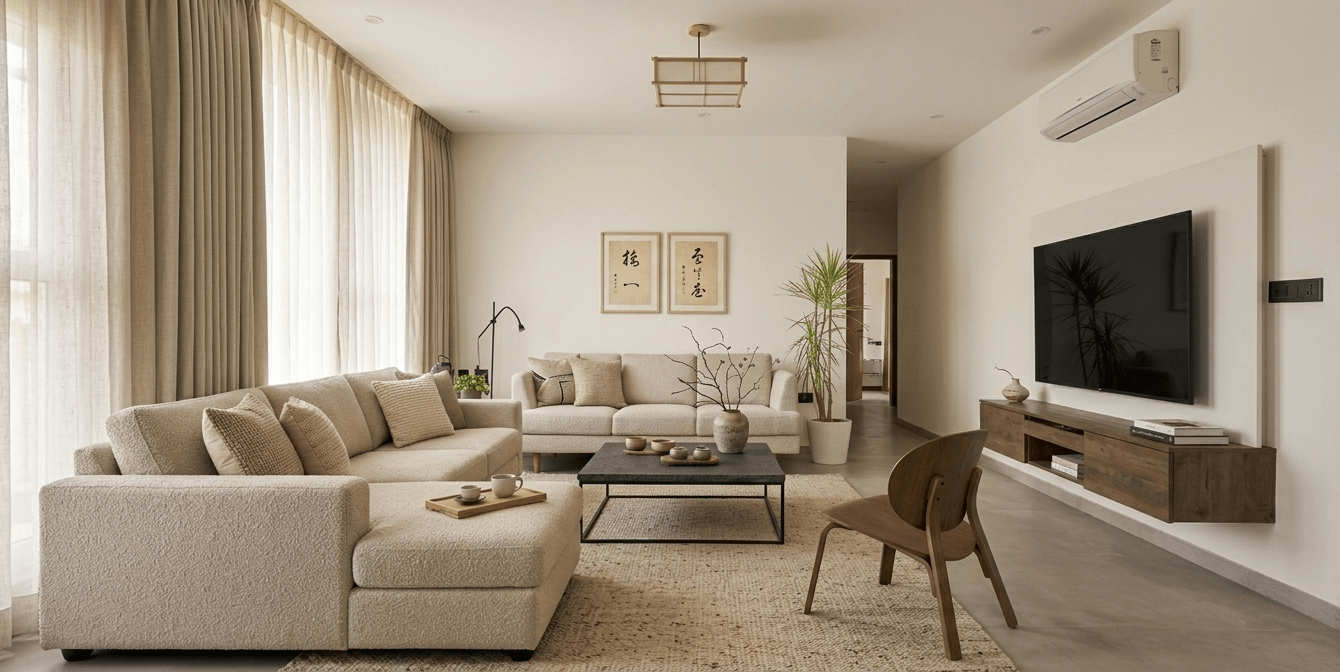
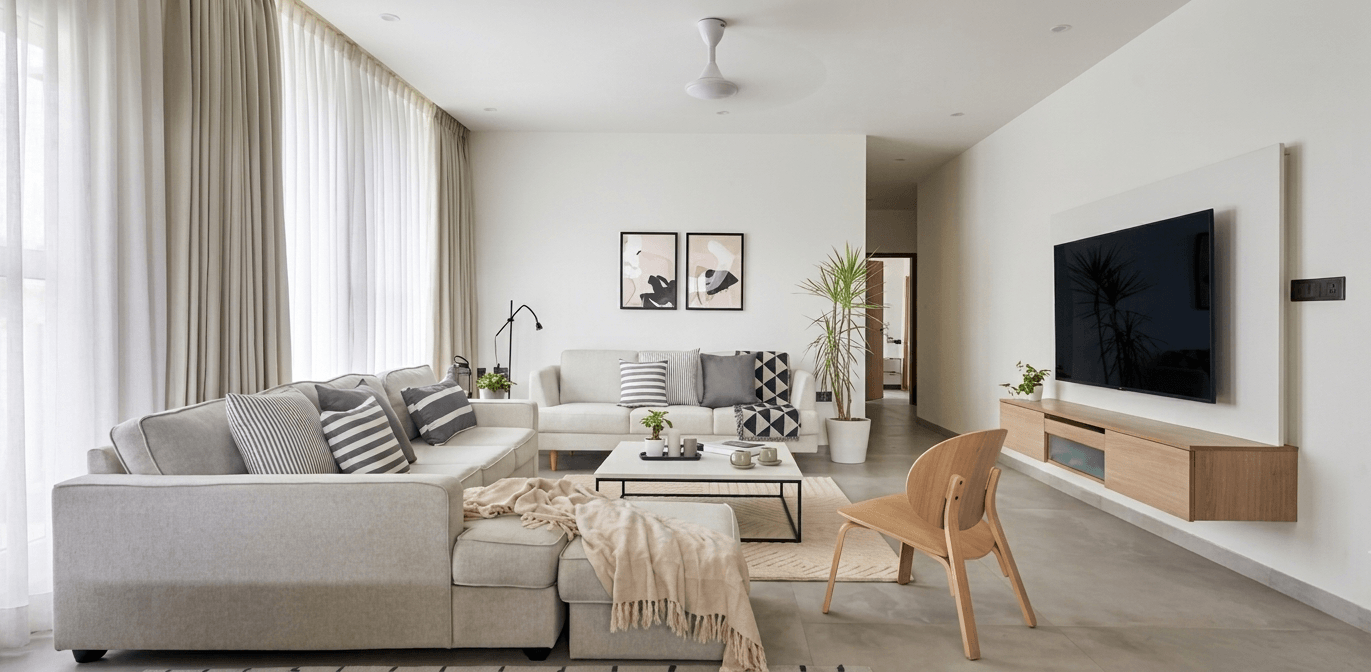
Ahmedabad summers can push temperatures past 40°C, so your living room’s color palette matters more than you’d think. Soft whites, warm beiges, sandy neutrals, and pale greys keep the room feeling cool and airy. Save deep, heat-absorbing tones like maroon or navy for accent walls or soft furnishings instead of large surfaces.
2. Invest in Breathable, Natural Fabrics
Given the heat and humidity swings, go for cotton, linen, and jute upholstery over heavy velvet or synthetic blends. These fabrics breathe better, are easier to maintain, and suit Ahmedabad’s climate through most of the year — velvet can feel sticky and uncomfortable from March through June.
3. Add a Statement Jaali or Lattice Partition
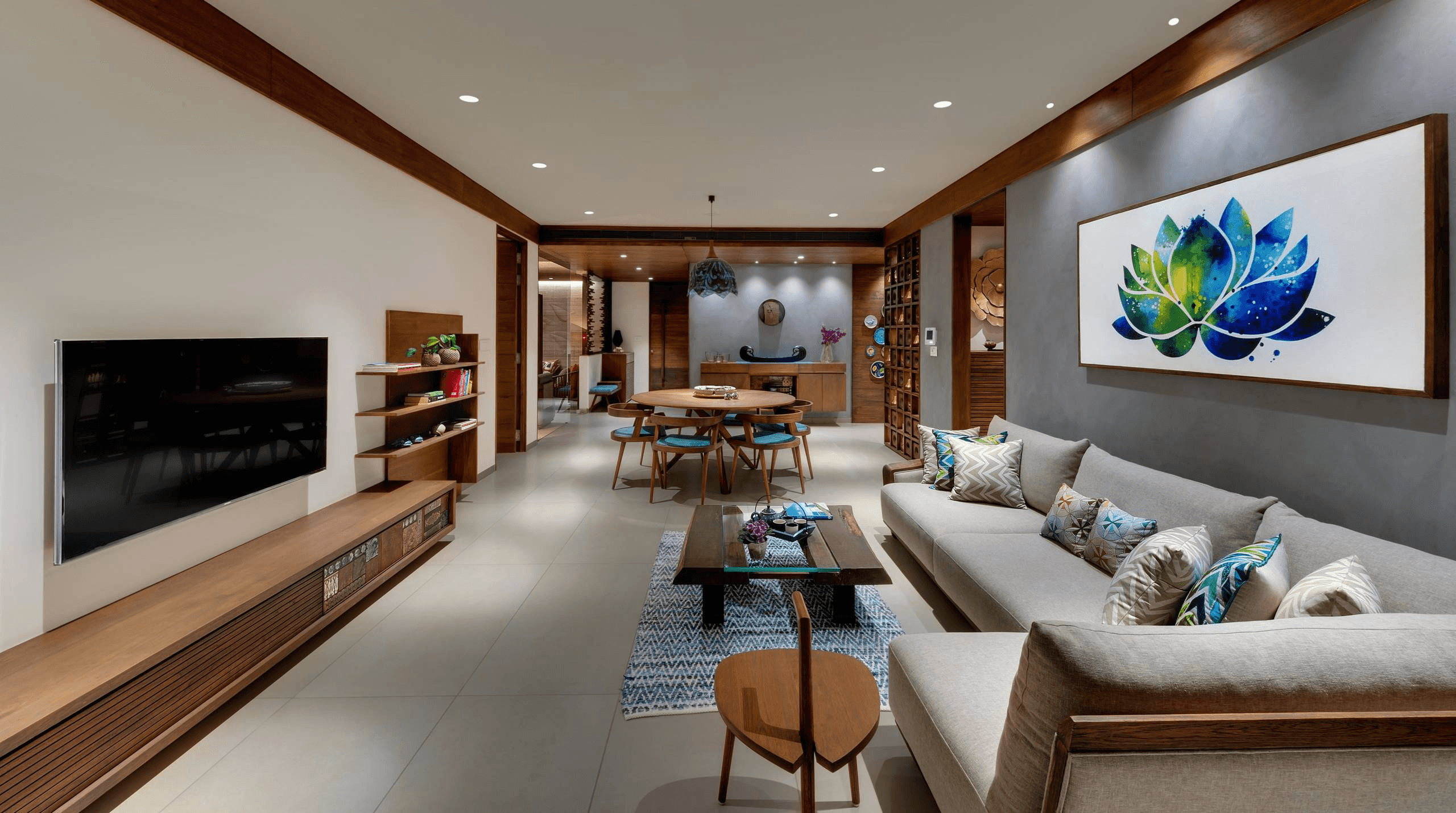
Traditional jaali (perforated screen) work, inspired by Gujarat’s architectural heritage, makes a beautiful and functional addition to open-plan living rooms. It allows air circulation, filters harsh sunlight, and adds a distinctly regional character that generic “modern” living rooms often lack.
4. Go for High Ceilings and Ventilation-Friendly Layouts
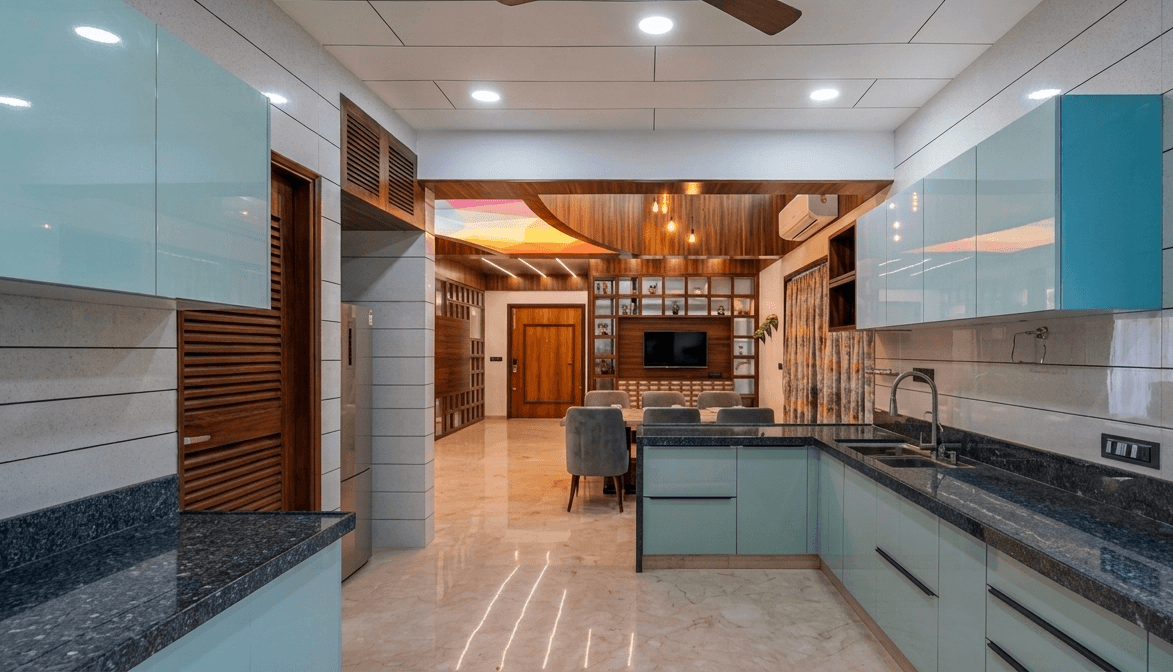
Many older Ahmedabad homes and pols were built with high ceilings and courtyards for natural cooling. If you’re renovating a bungalow, retain or recreate this with tall false ceilings, ceiling fans paired with a central light fixture, and layouts that don’t block cross-ventilation.
5. Use Locally Sourced Materials
Ahmedabad has excellent access to Gujarat’s stone and textile industries. Consider Kota stone or Dholpur stone flooring — both are naturally cooling underfoot, durable, and cost-effective compared to imported marble. Pair with locally woven dhurries or Patola-inspired cushion covers for an authentic touch.
6. Balance Traditional and Contemporary Furniture
A lot of Ahmedabad households blend generations under one roof. A popular approach: pair a sleek modern sofa with a traditional low wooden jhula (swing) or diwan seating — a nod to Gujarati homes’ love for swing seating in the living area.
7. Prioritize Flexible, Multi-Use Seating
With frequent guests, festivals, and joint-family gatherings, modular sofas, extendable diwans, and floor seating (gaddas with bolster cushions) give you flexibility to host large groups without permanently sacrificing space.
8. Layer Your Lighting
Ahmedabad’s power cuts, though less frequent now, still make backup lighting worth planning for. Combine ambient ceiling lighting, task lighting near reading corners, and warm accent lighting (like brass or terracotta fixtures) for evenings — plus a couple of battery-backed lamps as a practical failsafe.
9. Bring in Indoor Plants That Handle Heat
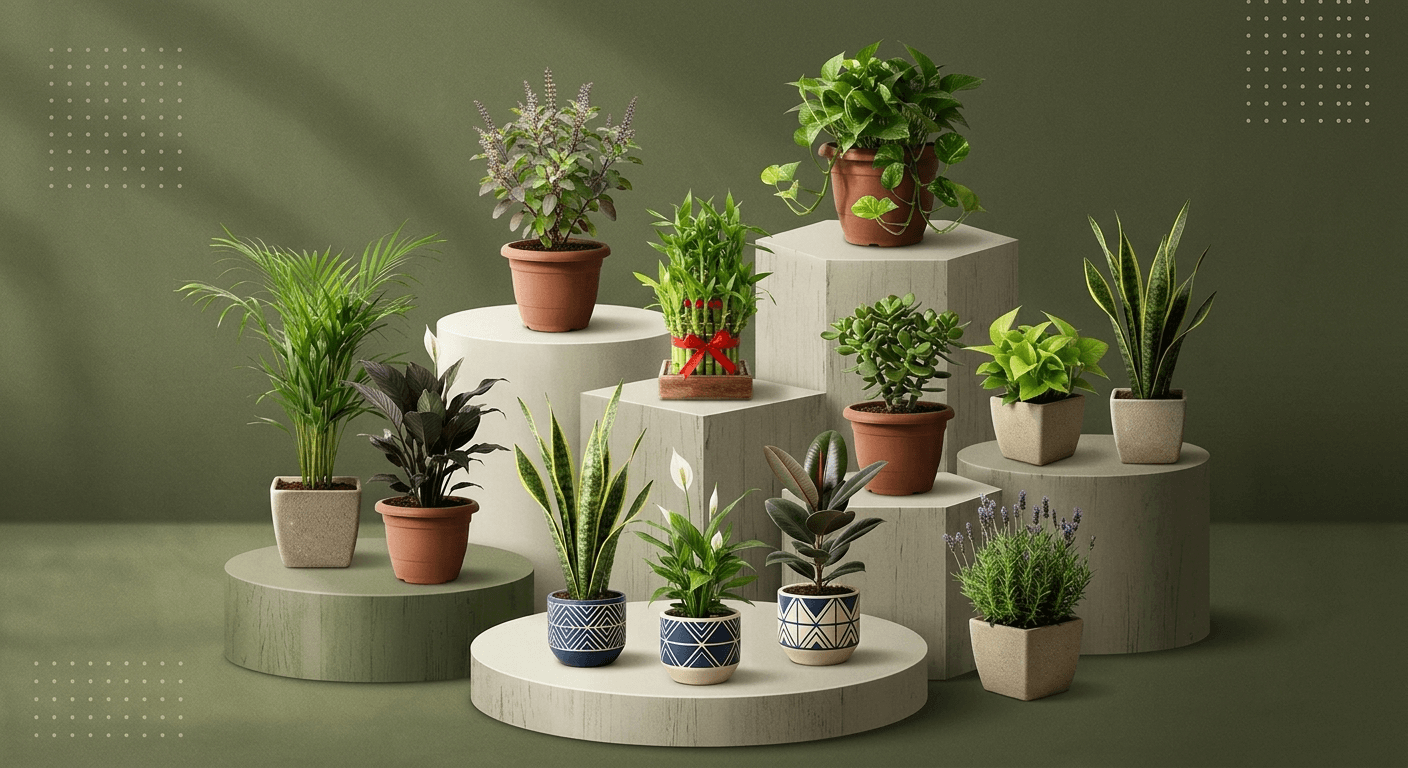
Skip delicate plants that wilt in Ahmedabad’s dry heat. Money plants, snake plants, areca palms, and ZZ plants tolerate the local climate well and purify indoor air — especially useful given the city’s dust and pollution levels for parts of the year.
10. Use Dust-Resistant, Easy-to-Clean Surfaces
Ahmedabad’s dust levels, especially before monsoon, mean your living room surfaces need to be low-maintenance. Matte-finish walls (easier to wipe than glossy), washable rugs, and furniture with simple lines (fewer crevices to trap dust) will save you a lot of cleaning time.
11. Add a Pooja or Meditation Corner
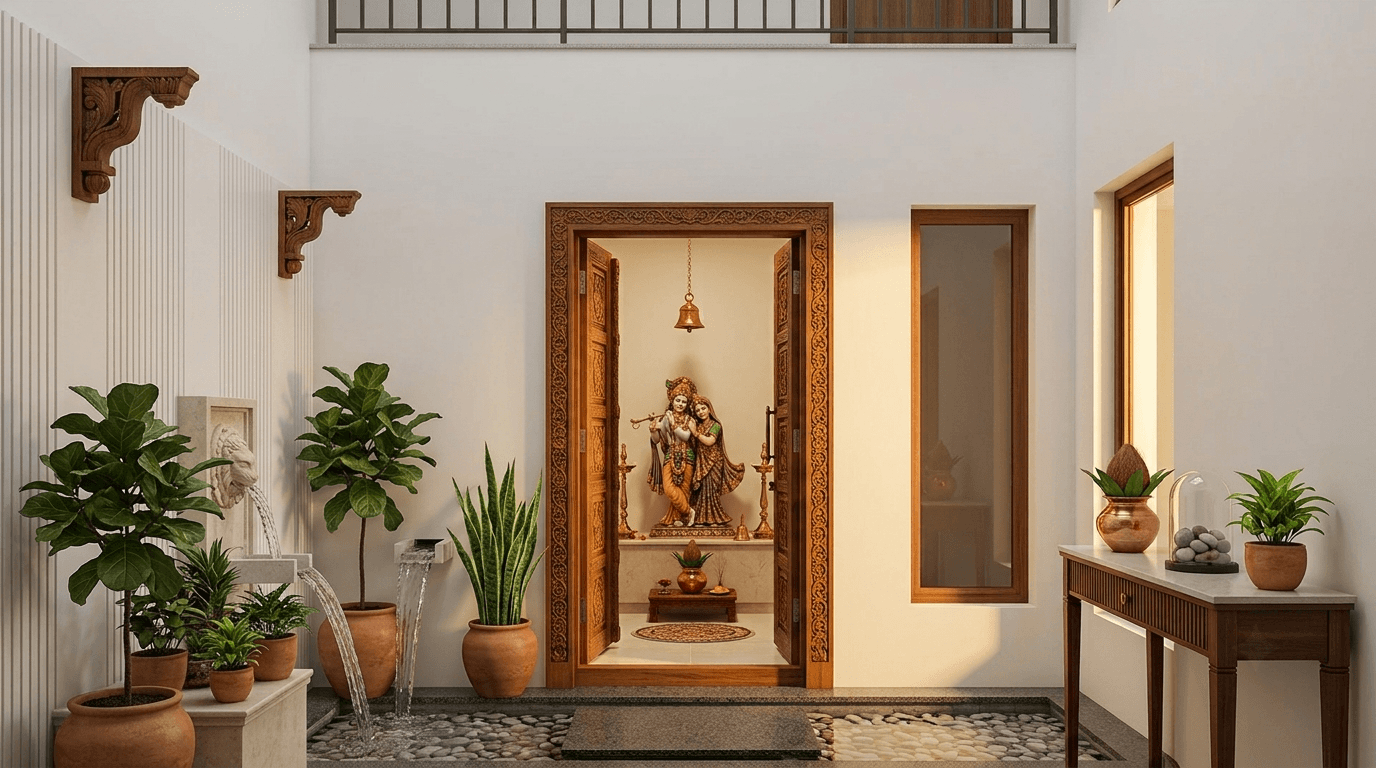
Many Ahmedabad homes prefer to keep a small, tastefully designed mandir or meditation nook within or adjacent to the living room. A recessed wall niche, warm lighting, and a jaali screen can keep it visually distinct without disrupting the room’s overall design.
12. Opt for Vaastu-Conscious Layouts
Vaastu Shastra principles remain influential in many Ahmedabad households when planning a living room — for instance, orienting the main seating to face east or north, and keeping the northeast corner open and clutter-free. Even if you don’t follow this strictly, a light, uncluttered northeast zone tends to work well aesthetically too.
13. Create a Festival-Ready Focal Wall
Since Ahmedabad celebrates Navratri, Diwali, and Uttarayan with real enthusiasm, design a focal wall (behind the TV unit or sofa) that can double as a decor backdrop — think a textured stone or wood-panel wall that looks elegant year-round but also photographs beautifully when strung with lights or torans during festivals.
14. Choose Furniture That Suits Compact Apartment Layouts
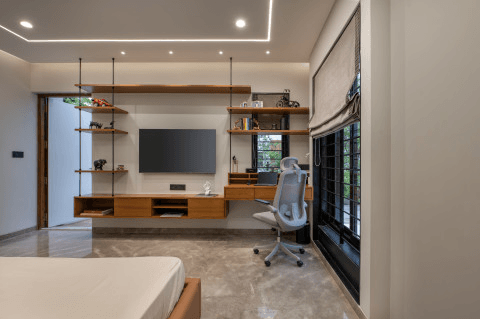
With newer developments in areas like South Bopal, Shela, and Gota trending toward compact 2-3 BHK apartments, space-saving furniture — nested coffee tables, wall-mounted TV units, and sofas with hidden storage — helps living rooms feel open rather than cramped.
15. Work With a Local Interior Designer Who Understands the City
A designer familiar with Ahmedabad’s climate, building codes, local vendors (from Manek Chowk to Law Garden’s furnishing markets), and cultural preferences can execute these ideas far more efficiently — and often more affordably — than generic online templates.
Final Thoughts
Designing a living room in Ahmedabad isn’t just about following national interior design trends — it’s about adapting them to the city’s heat, dust, festivals, and family culture. A well-designed living room here balances comfort, functionality, and a bit of Gujarati warmth, whether that’s through a jaali screen, a jhula corner, or simply choosing the right fabric for the season.
Looking to redesign your living room in Ahmedabad? Reach out to discuss a design plan suited to your home, budget, and lifestyle.
Frequently Asked Questions
Q: What is the best flooring for living rooms in Ahmedabad’s climate? A: Kota stone, Dholpur stone, and vitrified tiles are popular choices — they stay cool underfoot and handle dust and heat well compared to carpets or dark hardwood.
Q: How can I keep my living room cool without over-relying on AC? A: Use light color palettes, breathable fabrics, jaali screens for ventilation, high ceilings where possible, and heat-tolerant indoor plants.
Q: Is Vaastu important for living room design in Ahmedabad homes? A: Many Ahmedabad households do consider Vaastu when planning furniture placement and room orientation, though it’s ultimately a personal choice rather than a design requirement.
Q: What’s a good budget range for a living room makeover in Ahmedabad? A: This varies widely based on scope — a basic refresh (paint, soft furnishings, lighting) can start modestly, while a full renovation with custom furniture and false ceilings costs significantly more. A local designer can give you an accurate quote based on your space.